Chhattisgarh CMO: Newly Elected ULB Chiefs, Councillors Take Oath
Synopsis
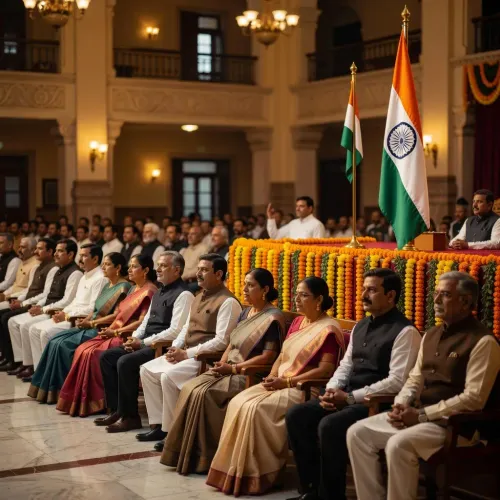
The Chief Minister's Office of Chhattisgarh on 2 July 2026 shared the oath-taking ceremony of newly elected urban local body presidents and councillors, formally inducting civic representatives into office under the 74th Constitutional Amendment framework.
Key Takeaways
The Chief Minister's Office of Chhattisgarh broadcast the oath-taking ceremony of newly elected urban local body presidents and councillors on 2 July 2026 .
The ceremony marks the formal induction of newly elected civic representatives following municipal elections in Chhattisgarh .
Urban local body elections and oath-taking are mandated under the 74th Constitutional Amendment Act of 1992 , which enshrines municipalities as the third tier of government.
Newly inducted presidents and councillors will oversee civic functions including local infrastructure, sanitation, water supply, and public health in their jurisdictions.
First council meetings, standing committee formations, and potential state urban development announcements are expected in the coming days.
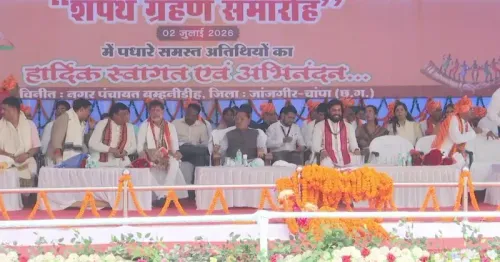
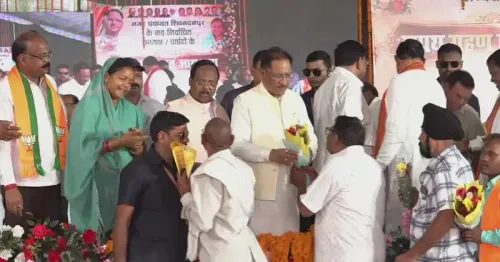
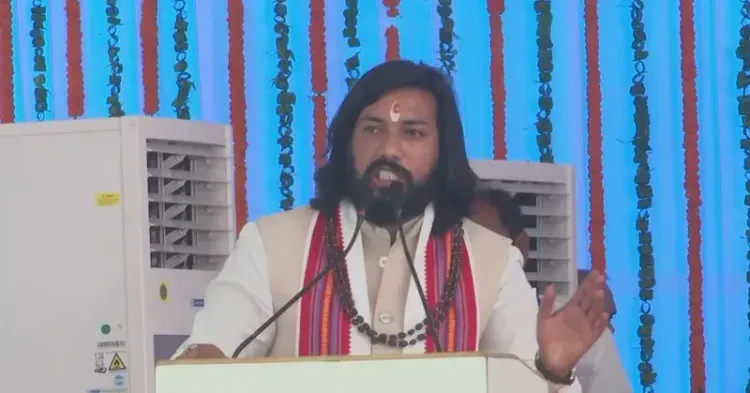
The Chief Minister's Office of Chhattisgarh on Thursday, 2 July 2026 shared coverage of the oath-taking ceremony for newly elected presidents and councillors of urban local bodies across the state, marking the formal induction of civic representatives into office following recent municipal elections.
Context
The post, captioned 'Navnirvachit Adhyaksh evam Samast Parshad-gaNon ka Shapath Grahan Samaroh' ('Oath-taking ceremony of the newly elected president and all councillors'), signals the conclusion of the electoral process and the beginning of a new term for urban local bodies in Chhattisgarh. Such ceremonies are a constitutional requirement before elected representatives can exercise their civic mandate.
Municipal elections in India are governed by the 74th Constitutional Amendment Act of 1992, which mandated the constitution of municipalities and regular democratic elections at the urban local body level. State election commissions issue notifications and oversee the process from polling to induction.
Policy Backdrop
Under the 74th Amendment, urban local bodies — ranging from municipal corporations in large cities to nagar panchayats in smaller towns — are constitutionally recognised as the third tier of government. Elected presidents and ward councillors are vested with powers over civic planning, sanitation, local infrastructure, and public health within their jurisdictions.
Chhattisgarh, a state with a mix of urban centres and rapidly developing smaller towns, conducts these elections under the supervision of the State Election Commission. The oath-taking ceremony formally transfers administrative authority to the new representatives, enabling them to convene council meetings and take up development agendas.
Stakeholders and Impact
The primary stakeholders are the newly elected municipal presidents and ward councillors who now hold constitutional office. Urban residents across the state's towns and cities will be directly affected by the decisions these bodies make on local infrastructure, water supply, drainage, and sanitation.
State government departments dealing with urban development and housing are expected to coordinate closely with the new councils. Political parties that secured majorities in the municipal polls will also look to translate their electoral mandate into visible civic outcomes ahead of future state-level electoral cycles.
What's Next
Following the oath-taking, the newly constituted bodies are expected to hold their inaugural council meetings to elect standing committees and assign administrative portfolios. The Chhattisgarh government may announce urban development allocations or scheme tie-ups to support the incoming civic administrations.
Observers will watch whether the state links these newly formed bodies to centrally sponsored urban schemes, and how quickly the new presidents and councillors move to address pending civic issues in their respective jurisdictions.
Point of View
The composition of the newly elected councils signals grassroots political strength and provides a platform to implement urban welfare schemes ahead of future electoral cycles. The speed and scale with which the new bodies are linked to centrally sponsored urban programmes will be an early indicator of administrative intent. Nationally, the event fits a broader pattern of states completing the constitutional cycle of municipal elections and inductions after pandemic-era delays that disrupted local governance timelines.
NationPress
1 Oct 2026
Frequently Asked Questions
What is the oath-taking ceremony for urban local bodies in Chhattisgarh?
It is the formal ceremony in which newly elected municipal presidents and ward councillors are sworn into office, authorising them to exercise their constitutional powers over civic administration in their respective towns and cities.
What law governs municipal elections in India?
The 74th Constitutional Amendment Act of 1992 mandates the constitution of urban local bodies and the conduct of regular elections, recognising municipalities as the third tier of democratic government in India.
What powers do newly elected municipal councillors hold in Chhattisgarh?
Elected presidents and councillors of urban local bodies are empowered to govern civic functions such as local infrastructure development, sanitation, water supply, drainage, and public health within their jurisdictions.
What happens after the oath-taking ceremony for urban local bodies?
After the oath-taking, the newly constituted councils typically hold their first meetings to elect standing committees, assign portfolios, and begin work on pending civic and development agendas in their areas.
Who oversees urban local body elections in Chhattisgarh?
The Chhattisgarh State Election Commission is responsible for overseeing the conduct of municipal elections, from issuing notifications to supervising the polling and induction process.