Chirag Paswan Addresses ICC Krishi Vikram Event in Delhi
Synopsis
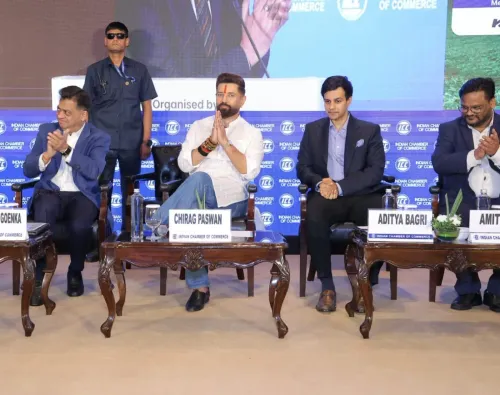
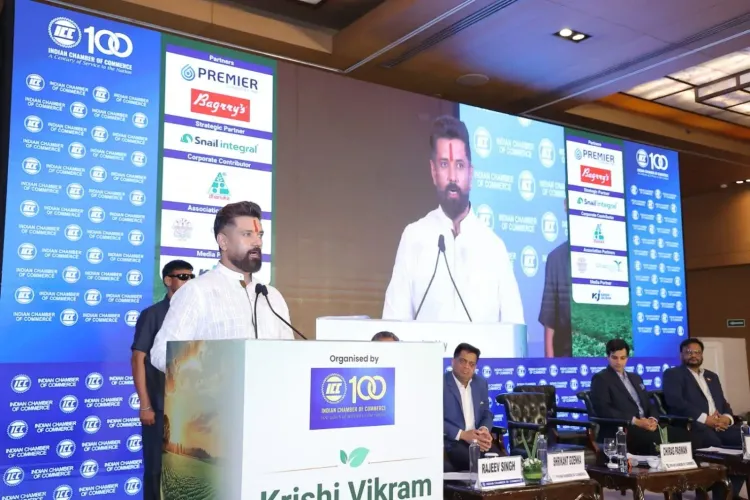
Union Food Processing Minister Chirag Paswan addressed the ICC's 'Krishi Vikram – Viksit Krishi, Viksit Bharat @2047' conclave in New Delhi on 23 July 2026, felicitating FPOs, MSMEs, and rural entrepreneurs for their contributions to agri-value addition and rural employment.
Key Takeaways
Chirag Paswan was the chief guest at the ICC-organised Krishi Vikram conclave in New Delhi on 23 July 2026 .
The event was themed around Viksit Bharat @2047 , the national roadmap for a developed economy by the centenary of independence.
FPOs, MSMEs, and rural entrepreneurs were felicitated for contributions to innovation, value addition, and employment generation.
The 10,000 FPO scheme , approved in 2020 with an outlay of Rs 6,865 crore , is a key instrument underpinning the ministry's agri-value-chain agenda.
The Pradhan Mantri Kisan Sampada Yojana (2017) and Operation Greens (expanded 2021) form the broader policy architecture supporting food processing growth.
A review of the FPO scheme and possible new credit-guarantee or export-cluster guidelines are expected in the current financial year.
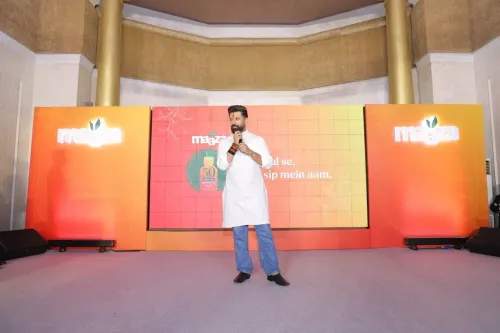
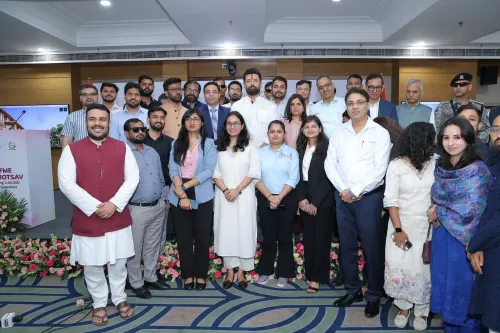
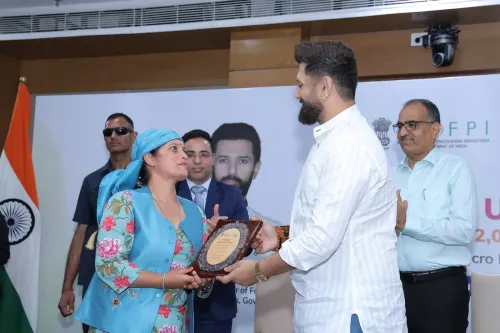
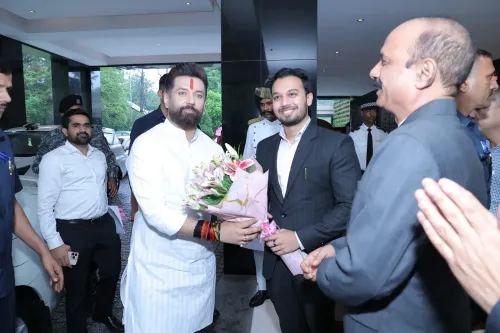
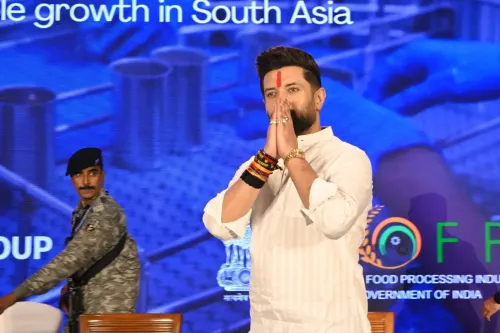
Union Food Processing Minister Chirag Paswan on Thursday, 23 July 2026, attended the 'Krishi Vikram – Viksit Krishi, Viksit Bharat @2047' conclave organised by the Indian Chamber of Commerce (ICC) in New Delhi as the chief guest, sharing his vision on agriculture, food processing, and farmer prosperity. At the event, the Minister also felicitated Farmer Producer Organisations (FPOs), entrepreneurs, and MSMEs for their outstanding contributions to the agri-food sector.
Posting on X after the event, Minister Paswan wrote: 'आज नई दिल्ली में Indian Chamber of Commerce (ICC) द्वारा आयोजित 'कृषि विक्रम' कार्यक्रम में मुख्य अतिथि के रूप में सहभागिता कर कृषि, खाद्य प्रसंस्करण और किसानों की समृद्धि पर अपने विचार साझा किए।' ['Today, as chief guest at the ICC-organised Krishi Vikram event in New Delhi, I shared my thoughts on agriculture, food processing, and farmer prosperity.'] He described FPOs, entrepreneurs, and MSMEs as 'the real strength of our agriculture and food processing sector, providing new energy to rural India through innovation, value addition, and employment generation.'
Context
The ICC conclave was framed around the Viksit Bharat @2047 national vision, which targets a developed Indian economy by the centenary of independence, with agricultural modernisation and higher farmer incomes as central pillars. The event brought together industry, government, and grassroots agricultural collectives to recognise ground-level performers driving rural transformation. Such platforms have become a regular feature of the ministry's outreach strategy, aligning recognition with broader policy goals.
Policy Backdrop
The Ministry of Food Processing Industries has anchored its agenda on schemes designed to close the gap between farm-gate production and end-market value. The Pradhan Mantri Kisan Sampada Yojana, launched in 2017, targets modern processing infrastructure and reduced post-harvest losses. The Central Sector Scheme for Formation and Promotion of 10,000 FPOs, approved in 2020 with a total outlay of Rs 6,865 crore, has been a flagship instrument for aggregating small and marginal farmers into market-capable collectives.
Operation Greens, expanded in 2021 to cover a wider basket of horticulture crops, further strengthened value chains in surplus-producing states. These schemes collectively reflect a policy shift — successive governments have moved emphasis from primary production alone toward post-harvest processing, branding, and direct market linkages as the primary route to raise farmer incomes.
Stakeholders and Impact
FPOs occupy a pivotal role in this ecosystem: they give small farmers the collective scale needed to negotiate better input prices, access institutional credit, and supply directly to processors and retailers. Food processing MSMEs are equally critical — they account for a significant share of rural non-farm employment and handle primary processing capacity in districts far from large urban centres. By publicly honouring these entities at an industry-chamber forum, the ministry signals that private and cooperative enterprise, not just government schemes, are the intended engine of rural value creation.
Rural entrepreneurs who have built agri-processing micro-units — from cold-chain facilities to spice-grinding clusters — stand to benefit from the visibility and networking that such national conclaves provide, potentially unlocking fresh partnerships and credit flows.
What's Next
The next scheduled review of the 10,000 FPO scheme and possible fresh guidelines on credit guarantees or export-oriented processing clusters are expected in the current financial year. The Viksit Bharat @2047 roadmap will require sustained investment in agri-logistics, cold chains, and processing capacity — areas where the ministry is expected to announce further measures. Paswan's continued engagement with industry bodies and grassroots collectives suggests the ministry will use such forums as both a feedback mechanism and a channel to accelerate scheme uptake.
Point of View
Cooperative collectives, and government schemes under the Viksit Bharat @2047 umbrella. Felicitating FPOs and MSMEs publicly serves a dual purpose: it rewards ground-level performers and signals to investors and lenders that the state sees these entities as credible partners in rural value creation. The framing — 'real strength of the sector' — is a deliberate rhetorical move to shift the narrative from subsidy-dependent farming toward enterprise-driven agri-processing. With the 10,000 FPO scheme due for a review and potential new credit-guarantee guidelines on the horizon, this engagement positions the ministry ahead of those announcements.
NationPress
23 Jul 2026
Frequently Asked Questions
What is the Krishi Vikram event organised by ICC?
'Krishi Vikram – Viksit Krishi, Viksit Bharat @2047' is a conclave organised by the Indian Chamber of Commerce focused on agricultural modernisation, food processing, and aligning the agri-sector with India's development goals for 2047.
What did Chirag Paswan say at the ICC agriculture event?
Chirag Paswan shared his vision on agriculture, food processing, and farmer prosperity, and described FPOs, MSMEs, and rural entrepreneurs as 'the real strength' of the sector, driving innovation, value addition, and employment in rural India.
What is the 10,000 FPO scheme and how much is its budget?
The Central Sector Scheme for Formation and Promotion of 10,000 Farmer Producer Organisations was approved in 2020 with a total outlay of Rs 6,865 crore to help small and marginal farmers aggregate, access credit, and link directly to markets.
What is Viksit Bharat @2047?
Viksit Bharat @2047 is India's national vision to become a fully developed economy by 2047, the centenary of independence, with agricultural modernisation and higher farmer incomes as core pillars.
What schemes support food processing in India?
Key central schemes include Pradhan Mantri Kisan Sampada Yojana (launched 2017 for processing infrastructure), the 10,000 FPO scheme (2020), and Operation Greens (expanded 2021 to cover more horticulture crops and strengthen value chains).