Chirag Paswan expresses concern over Muzaffarpur PNG pipeline burst
Synopsis
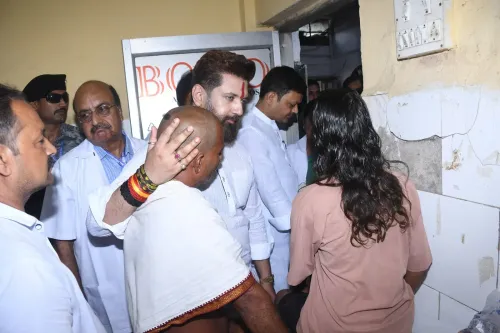
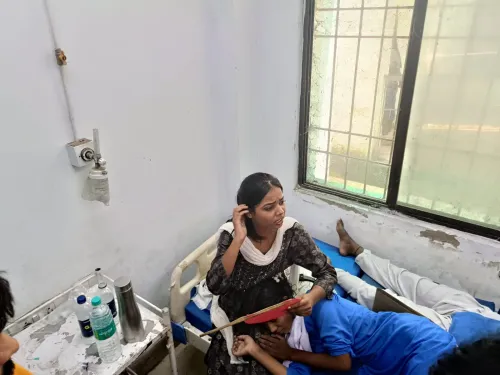
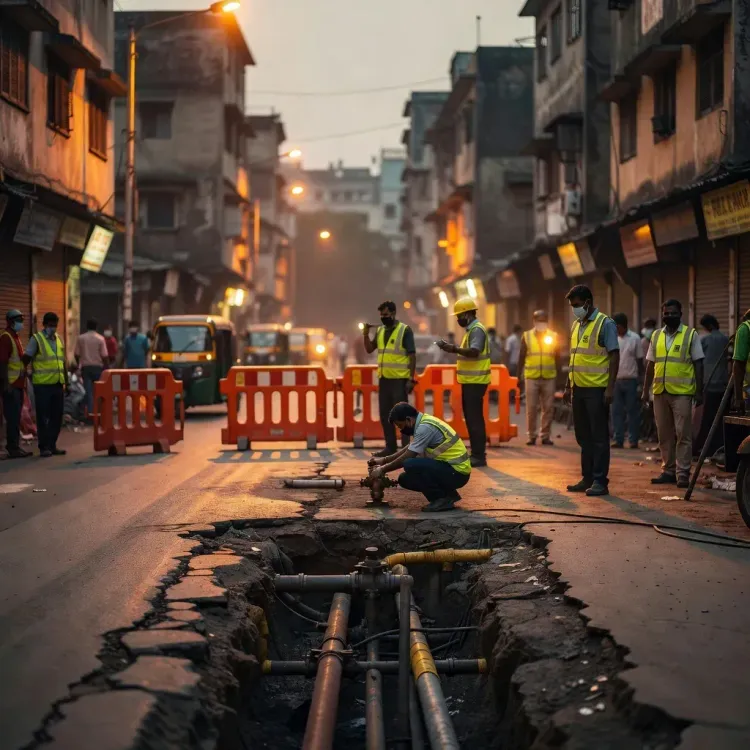
Union Minister Chirag Paswan flagged a PNG pipeline burst in Muzaffarpur, Bihar on November 2, 2026, confirming injuries and active local relief operations, and prayed for the swift recovery of those hurt.
Key Takeaways
A PNG pipeline burst occurred in Muzaffarpur, Bihar on November 2, 2026 , injuring several people.
Union Food Processing Minister Chirag Paswan called the incident 'extremely unfortunate' in a post on X.
The minister confirmed that local administration had activated relief and rescue operations at the site.
Paswan offered prayers for the speedy recovery of the injured , underscoring the political sensitivity of the incident in his home state.
Further details on the cause of the pipeline failure and the official injury count are awaited from Bihar state authorities .
A PNG pipeline burst in Muzaffarpur, Bihar on Monday, November 2, 2026 left several people injured, prompting Union Food Processing Minister Chirag Paswan to acknowledge the incident and call for swift relief — a signal that the accident had risen to the notice of central leadership.
Posting on X, Minister Paswan described the incident as 'extremely unfortunate' (behaad durbhagyapurn), confirmed that injuries had been reported, and noted that local administration had activated relief and rescue operations. He also offered a personal prayer for the speedy recovery of those hurt.
What happened on the Muzaffarpur pipeline
Muzaffarpur, a major city in northern Bihar, is part of India's expanding Piped Natural Gas distribution network — a grid that has grown rapidly across Tier-2 cities as the government pushes to widen domestic gas connectivity. A rupture in such a network can release pressurised gas suddenly, creating immediate fire and blast risks in densely populated residential or commercial stretches.
The minister's post confirmed that relief and rescue work was actively underway by local administration at the time of his statement. No official injury count was specified in the post, and further details are expected from Bihar state authorities as operations continue.
Paswan's statement and what it signals
Indian Union ministers routinely issue public acknowledgements of serious local accidents — particularly those involving infrastructure — as a protocol that signals central awareness and implicitly reinforces administrative accountability at the district level. Chirag Paswan, as national president of the Lok Janshakti Party (Ram Vilas), also has deep political roots in Bihar, giving his response both a ministerial and a constituency dimension.
While his ministry — Food Processing Industries — does not directly oversee gas infrastructure, the statement reflects the broader responsibility ministers bear as elected representatives of the state they politically call home. Any formal inquiry into the pipeline failure would fall under Bihar's state machinery and the relevant gas distribution company.
As Muzaffarpur's administration works through the immediate emergency, the bigger question now belongs to Bihar's infrastructure regulators: what caused the pipe to fail, and how many more stretches of the city's gas grid need urgent inspection?
Point of View
Bihar is not just a state but the bedrock of the LJP (Ram Vilas) organisation, making any serious local incident politically consequential. The incident also quietly spotlights the pressure on India's rapidly expanding city-gas distribution networks, where pipeline density is outpacing inspection capacity in several Tier-2 cities. How Bihar's state administration handles the inquiry and compensation will carry more lasting weight than the ministerial statement itself.
NationPress
2 Nov 2026
Frequently Asked Questions
What happened in Muzaffarpur today?
A PNG (Piped Natural Gas) pipeline burst in Muzaffarpur, Bihar on November 2, 2026, injuring several people. Local administration launched relief and rescue operations at the site.
What did Chirag Paswan say about the Muzaffarpur PNG pipeline accident?
Chirag Paswan called the incident 'extremely unfortunate,' confirmed injuries had been reported, noted that local relief work was underway, and prayed for the speedy recovery of those hurt.
What is a PNG pipeline and why is it dangerous when it bursts?
A PNG (Piped Natural Gas) pipeline delivers compressed natural gas directly to homes and businesses. When such a pipeline bursts, it releases pressurised flammable gas rapidly, creating serious risks of fire, explosions, and inhalation injuries in surrounding areas.
Which ministry is responsible for gas pipeline safety in India?
Gas pipeline safety falls primarily under the Petroleum and Natural Gas Regulatory Board (PNGRB) and the Ministry of Petroleum and Natural Gas, not the Ministry of Food Processing Industries that Chirag Paswan heads.
Is Chirag Paswan from Bihar?
Yes. Chirag Paswan is the national president of the Lok Janshakti Party (Ram Vilas), a party with its political base firmly in Bihar. He represents the legacy of his father, the late Ram Vilas Paswan.