Chirag Paswan greets nation on Jagannath Rath Yatra
Synopsis
Union Food Processing Minister Chirag Paswan greeted citizens and devotees on 16 July 2026 for the Jagannath Rath Yatra, sharing a Sanskrit shloka saluting Lord Jagannath, Balabhadra, and Subhadra on the occasion of the annual chariot festival in Puri, Odisha.
Key Takeaways
Chirag Paswan , Union Minister of Food Processing Industries and LJP (Ram Vilas) chief, posted Rath Yatra greetings on 16 July 2026 .
His message opened with a Sanskrit shloka saluting Lord Jagannath, Balabhadra, and Subhadra at Nilachal.
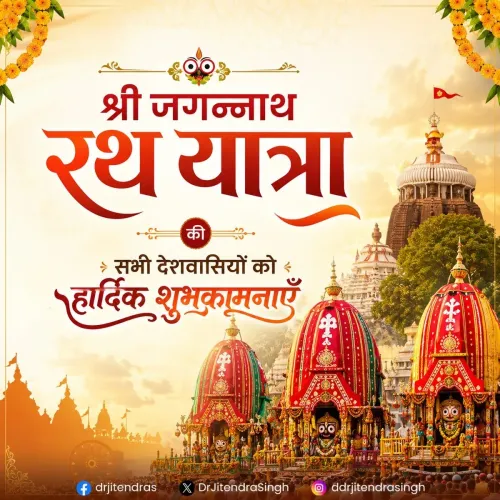
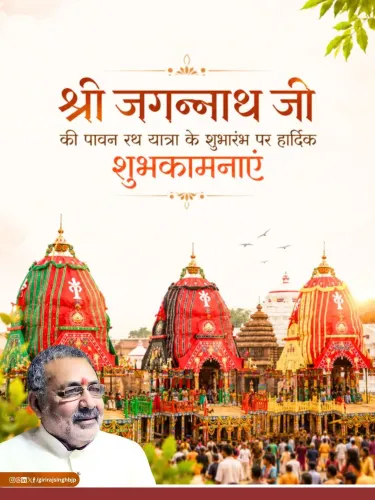
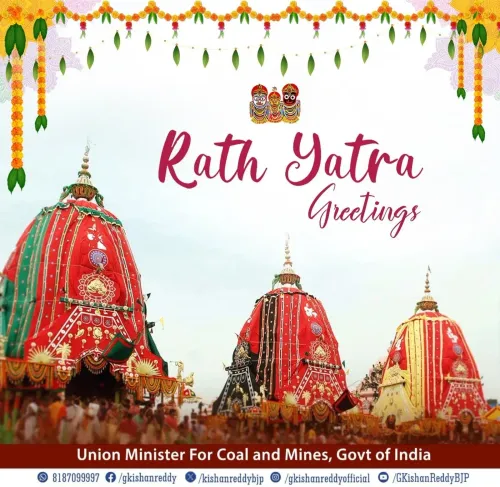
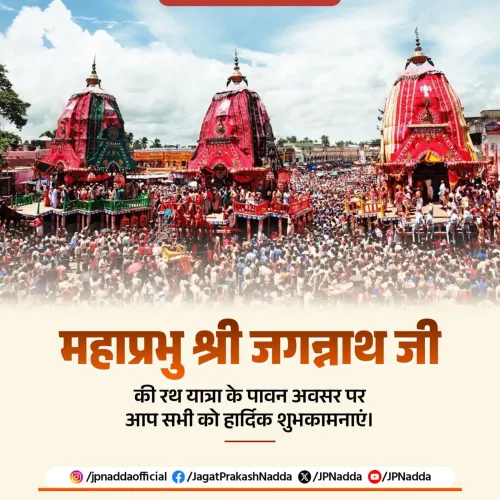
The Jagannath Rath Yatra is an annual chariot procession in Puri, Odisha , drawing lakhs of pilgrims from across India and abroad.
The Jagannath Temple in Puri, dating to the 12th century, is one of Hinduism's four sacred dhams.
Central and state authorities coordinate on security and logistics for the large-scale festival each year.
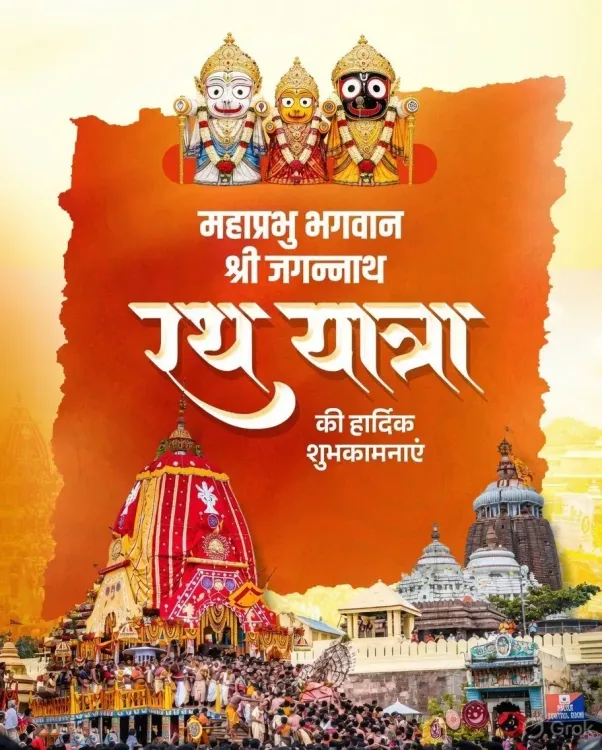
Union Food Processing Minister Chirag Paswan extended greetings to devotees and citizens across the country on Thursday, 16 July 2026, marking the commencement of the sacred Jagannath Rath Yatra with a devotional Sanskrit verse and a heartfelt message on X.
In his post, Paswan opened with the Sanskrit shloka — 'Nilachal nivasaya nityaya paramatmane, Balabhadra Subhadrabhyam Jagannathaya te namah' — which translates as: 'Salutations to Lord Jagannath, the eternal Supreme Soul who resides on Nilachal, along with Balabhadra and Subhadra.' He followed it with warm wishes to all citizens and devotees on the auspicious beginning of the chariot procession.
Context
The Jagannath Rath Yatra is one of India's oldest and most celebrated religious processions, held annually in the coastal city of Puri, Odisha. The festival sees the presiding deities of the Jagannath Temple — Lord Jagannath, his elder brother Balabhadra, and sister Subhadra — ceremonially placed on towering wooden chariots and drawn through the streets by lakhs of devotees. The 12th-century temple, set atop the hill historically called Nilachal, is one of the four sacred dhams of Hinduism.
The Rath Yatra draws pilgrims from across India and abroad every year, making it one of the largest religious gatherings in the country. Central and state authorities coordinate extensively on crowd management, security, and logistics to facilitate the event.
Policy Backdrop
Indian political leaders across party lines routinely acknowledge major religious and cultural festivals through public messages, reflecting the constitutional recognition of India's diverse traditions. The Jagannath Rath Yatra, given its scale and national significance, consistently receives attention from Union ministers and chief ministers alike.
The Lok Janshakti Party (Ram Vilas), which Paswan leads as national president, has historically maintained a strong base in Bihar while cultivating ties with communities across eastern and northern India. Participating in the cultural discourse around festivals such as the Rath Yatra is part of a broader outreach that transcends regional boundaries.
Stakeholders and Impact
The Rath Yatra is significant to millions of Hindu devotees, particularly in Odisha and among Odia communities settled across India and globally. The festival also carries substantial economic weight for Puri and surrounding regions, with pilgrim footfall driving local trade, hospitality, and transport.
Greetings from Union ministers serve to reinforce the festival's national stature and signal administrative goodwill toward the large volunteer and administrative machinery that makes the event possible. The Odisha state government typically announces detailed arrangements for the procession, with central agencies providing supplementary support.
What's Next
As the Rath Yatra season unfolds, attention will turn to the Odisha government's logistical announcements covering crowd control, heritage conservation around the Puri temple complex, and any Union cultural ministry programmes timed to coincide with the festival. The return procession — known as the Bahuda Yatra — is traditionally held several days after the main chariot festival, marking the deities' return to the temple.
Point of View
Where Odia cultural traditions resonate. The choice to open with a Sanskrit shloka rather than a plain-language greeting reflects a broader trend of leaders anchoring political communication in devotional idiom. While the post carries no policy content, it reinforces the LJP (Ram Vilas)'s positioning as a party attentive to Hindu cultural moments at the national level. Such messaging also aligns with the central government's wider emphasis on celebrating India's living religious heritage through official and semi-official channels.
NationPress
16 Jul 2026
Frequently Asked Questions
What is the Jagannath Rath Yatra?
The Jagannath Rath Yatra is an annual Hindu chariot festival held in Puri, Odisha, where the deities Jagannath, Balabhadra, and Subhadra are placed on massive wooden chariots and pulled through the streets by lakhs of devotees.
What did Chirag Paswan say about Rath Yatra 2026?
Chirag Paswan shared a Sanskrit shloka saluting Lord Jagannath, Balabhadra, and Subhadra at Nilachal, and extended heartfelt greetings and good wishes to all citizens and devotees on the commencement of the Rath Yatra.
Where is the Jagannath Temple located?
The Jagannath Temple is located in Puri, a coastal city in Odisha. It is a 12th-century shrine situated on a hill historically called Nilachal and is one of Hinduism's four sacred dhams.
Who is Chirag Paswan?
Chirag Paswan is the Union Minister of Food Processing Industries in the Government of India and the national president of the Lok Janshakti Party (Ram Vilas).
What is the meaning of the shloka Chirag Paswan posted?
The shloka translates as: 'Salutations to Lord Jagannath, the eternal Supreme Soul who resides on Nilachal, along with Balabhadra and Subhadra.' It is a traditional devotional verse addressed to the presiding deity of the Puri temple.