Chirag Paswan pays tribute to martyr Uda Devi Pasi on Balidan Diwas
Synopsis
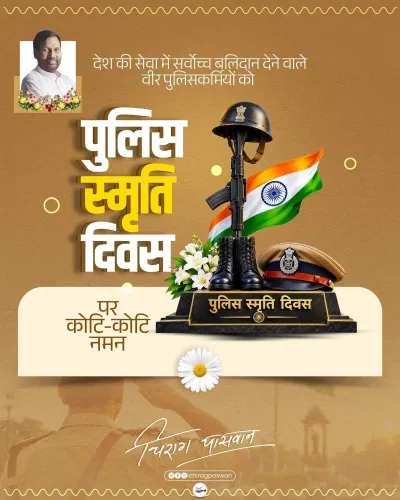
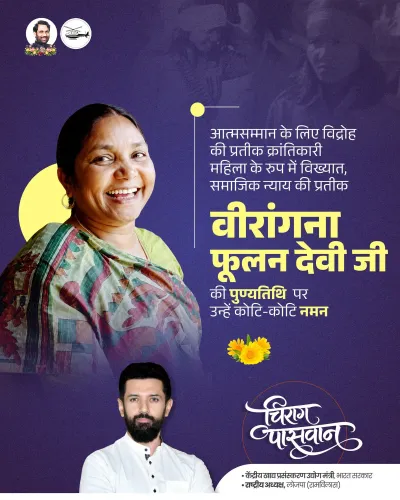
Union Minister Chirag Paswan paid tribute on X to Uda Devi Pasi, the 1857 Rebellion warrior from the Pasi community, calling her an immortal symbol of Nari Shakti on her martyrdom anniversary, 16 November 2026.
Key Takeaways
Chirag Paswan posted a tribute on 16 November 2026 marking the martyrdom anniversary of Uda Devi Pasi .
Uda Devi Pasi is revered as a woman warrior of the 1857 Indian Rebellion , associated with engagements near Lucknow including the Battle of Chinhat .
She is a celebrated figure of the Pasi community and honoured as a symbol of women's power in India's freedom struggle.
Paswan described her as Nari Shakti ki prateek — 'a symbol of women's power' — and an immortal veerangana (woman warrior).
Such tributes are part of a broader political effort to mainstream Dalit and women freedom fighters in India's independence narrative.
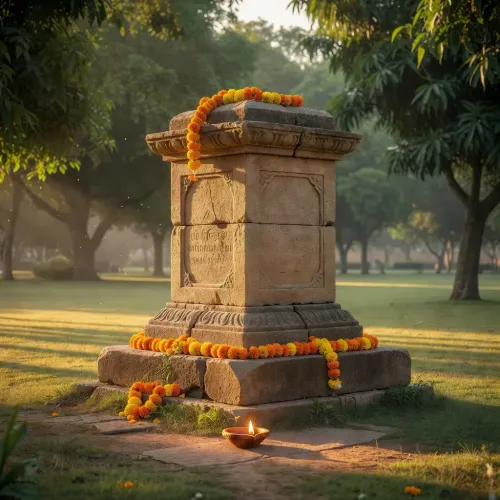
She climbed a tree, took aim, and held off a column of British soldiers until her last breath — and on her martyrdom anniversary, Union Food Processing Minister Chirag Paswan paused to salute her memory. On Monday, 16 November 2026, the minister posted a tribute on X honouring Uda Devi Pasi, the 1857 Rebellion warrior venerated as a symbol of Nari Shakti (women's power) and an immortal veerangana (woman warrior) of India's freedom struggle.
Paswan wrote: 'Nari Shakti ki prateek va swatantrata sangram ki amar veerangana Uda Devi Pasi ji ke balidan diwas par vinamra shraddhanjali' — 'A humble tribute on the martyrdom anniversary of Uda Devi Pasi, symbol of women's power and immortal woman warrior of the freedom struggle.'
Uda Devi Pasi and the Battle of Chinhat
Uda Devi Pasi is remembered as one of the most striking combatants of the 1857 Indian Rebellion. Associated with the engagements near Lucknow, including the Battle of Chinhat, she is credited in community and historical accounts with taking up arms against British forces and inflicting significant casualties before she was killed. Her story — a woman from the Pasi community, an oppressed caste, choosing the battlefield — made her an enduring emblem of both anti-colonial resistance and subaltern courage.
Accounts of the precise details of her actions vary across oral tradition and written records, but her martyrdom is commemorated annually and she holds a central place in the collective memory of the Pasi community across Uttar Pradesh.
Why these tributes carry political weight
Across the political spectrum, Indian leaders routinely mark the anniversaries of 1857 revolt martyrs — particularly those from Dalit and regional communities whose contributions were long marginalised in mainstream nationalist historiography. By invoking Uda Devi Pasi specifically, Paswan underscores a dual message: honouring a woman freedom fighter in the spirit of contemporary women's empowerment, and affirming the sacrifices of Dalit communities in the making of modern India.
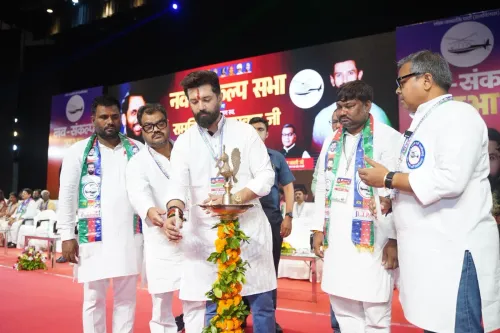
Paswan, as national president of the Lok Janshakti Party (Ram Vilas), leads a party with deep roots in Dalit politics in Bihar and beyond. Such commemorations reinforce the party's connection to communities whose histories have often been written at the margins.
Point of View
Not just elite nationalist icons. For the LJP (Ram Vilas), commemorating figures like Uda Devi Pasi simultaneously serves community consolidation and broader aspirational messaging around women's empowerment. It is a reminder that historical memory in Indian politics is never purely ceremonial — it maps directly onto contemporary constituency and identity politics. As Paswan expands his national profile, these symbolic gestures help define the ideological character of his leadership.
NationPress
16 Nov 2026
Frequently Asked Questions
Who was Uda Devi Pasi?
Uda Devi Pasi was a woman warrior from the Pasi community who fought in the 1857 Indian Rebellion near Lucknow. She is credited with resisting British soldiers and is commemorated as a martyr and symbol of women's power in India's freedom struggle.
When is Uda Devi Pasi's martyrdom anniversary?
Uda Devi Pasi's martyrdom anniversary, known as Balidan Diwas, is observed on 16 November. Union Minister Chirag Paswan paid tribute on this day in 2026.
Why did Chirag Paswan pay tribute to Uda Devi Pasi?
Chirag Paswan, as a leader with roots in Dalit politics and head of the LJP (Ram Vilas), paid tribute to honour her contributions to the 1857 freedom struggle and to highlight the role of women and marginalised communities in India's independence movement.
What is the Battle of Chinhat?
The Battle of Chinhat, fought near Lucknow in 1857, was one of the key engagements of the Indian Rebellion against British rule, in which Uda Devi Pasi is said to have participated and displayed remarkable bravery.
What does 'Nari Shakti' mean in Chirag Paswan's tribute?
'Nari Shakti' translates to 'women's power' in English. Paswan used the term to describe Uda Devi Pasi as an enduring symbol of women's courage and resistance in India's history.