Chirag Paswan Shares Vision for Viksit Bharat 2047

Synopsis
Union Food Processing Minister Chirag Paswan posted on X on 23 July 2026, referencing the Viksit Bharat 2047 vision with four images, underscoring the ministry's alignment with India's long-term development roadmap and its focus on food processing as a pillar of agricultural value addition.
Key Takeaways
Chirag Paswan , Union Minister of Food Processing Industries, posted on X on 23 July 2026 with a reference to Viksit Bharat 2047 .
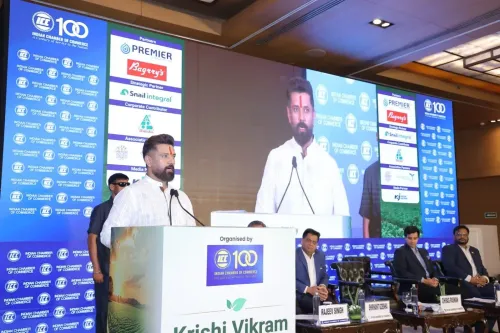
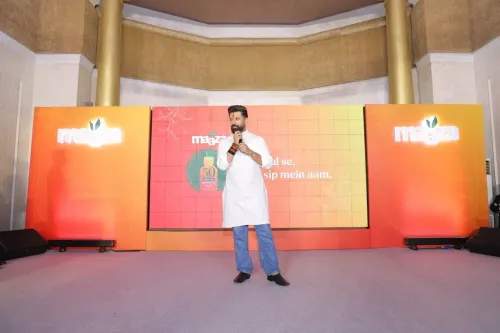
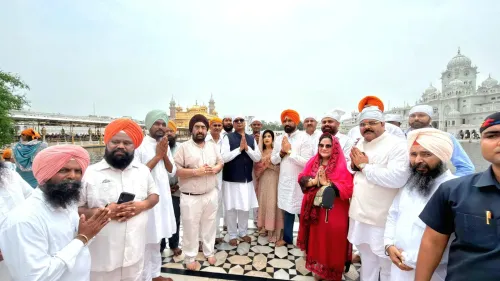
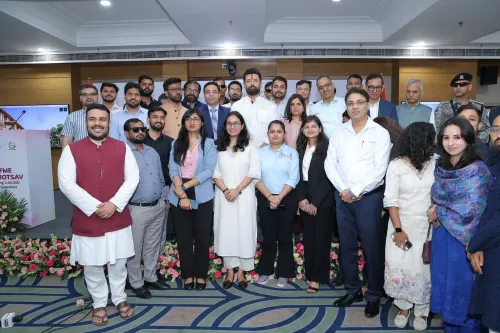
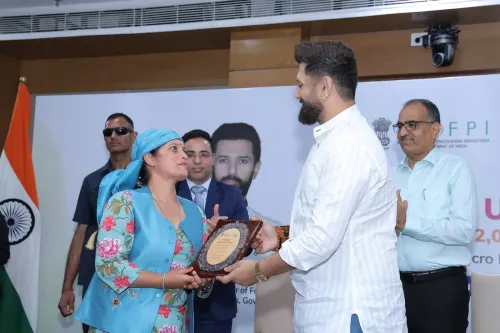
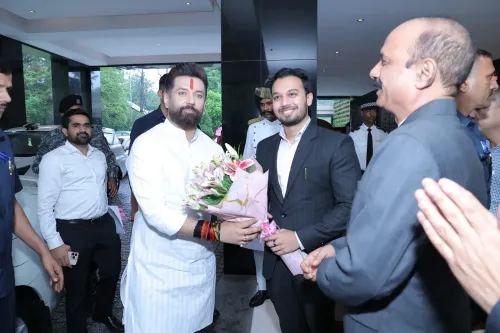
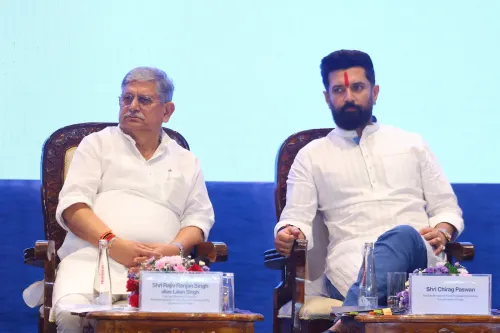
The post was accompanied by four images , though their specific content was not detailed in the post text.
The Ministry of Food Processing Industries has positioned food processing as a key contributor to the Viksit Bharat 2047 and Atmanirbhar Bharat frameworks.
The PMFME scheme , launched in 2020, remains a central policy instrument for formalising and supporting micro food processing enterprises.
Primary beneficiaries include small food processors and farmers , who gain from reduced post-harvest losses and better market access.
Upcoming Union Budget announcements and parliamentary sessions are expected to carry further food-processing infrastructure commitments.
Union Food Processing Minister Chirag Paswan on Thursday, 23 July 2026, shared a post on X referencing the Viksit Bharat 2047 vision, accompanied by four images, signalling the ministry's continued alignment with India's long-term development roadmap.
Context
The post, addressed to the Viksit Bharat 2047 account, reflects the broader governmental push to anchor sectoral policy within India's centenary independence development framework. Chirag Paswan, who assumed the food processing portfolio following the 2024 general elections, has consistently positioned the ministry's programmes as contributors to this overarching national goal.
The Viksit Bharat 2047 initiative envisions India as a developed nation by the centenary of its independence, with agriculture value addition and food processing identified as key pillars of that ambition.
Policy Backdrop
The Ministry of Food Processing Industries formulates policies aimed at expanding the sector, reducing post-harvest agricultural losses, and boosting processed-food exports. A central instrument in this effort is the Pradhan Mantri Formalisation of Micro Food Processing Enterprises (PMFME) scheme, launched in 2020, which provides financial, technical, and business support to micro food processing units across the country.
Successive governments have treated food processing as a bridge between farm income and export competitiveness. The sector sits at the intersection of the Atmanirbhar Bharat and Viksit Bharat 2047 frameworks, both of which emphasise value addition in agriculture as a driver of economic self-reliance.
Stakeholders and Impact
The primary beneficiaries of an expanded food processing ecosystem are small and micro food processors and farmers, who stand to gain from reduced wastage, better price realisation, and access to organised markets. Formalisation of micro enterprises under schemes such as PMFME also opens pathways to institutional credit and technology upgrades for units that have historically operated outside the formal economy.
At a broader level, growth in processed-food exports contributes to foreign exchange earnings and rural employment, making the sector's performance a metric watched closely by policymakers and agricultural economists alike.
What's Next
Attention will now turn to the progress of PMFME scheme targets and any new food-processing infrastructure commitments that may emerge in the next Union Budget or parliamentary session. Minister Paswan's continued public engagement with the Viksit Bharat 2047 framework suggests the ministry is positioning its upcoming announcements within that narrative, ahead of what is expected to be a policy-heavy second half of 2026.
Point of View
Tying the food processing ministry's agenda to the government's most aspirational long-term brand. For a minister who heads both a key portfolio and a coalition ally party, such visibility on national development themes reinforces his standing within the ruling alliance. The food processing sector, often overshadowed by larger economic ministries, benefits from this framing as it competes for budgetary priority. The post signals that the ministry intends to remain vocally present in the national development conversation heading into the second half of 2026.
NationPress
23 Jul 2026
Frequently Asked Questions
Who is Chirag Paswan and what ministry does he head?
Chirag Paswan is the Union Minister of Food Processing Industries and the national president of the Lok Janshakti Party (Ram Vilas). He assumed the food processing portfolio after the 2024 general elections.
What is Viksit Bharat 2047?
Viksit Bharat 2047 is the Indian government's vision to make India a developed nation by 2047, the centenary of its independence, with agriculture value addition and food processing among its identified growth pillars.
What is the PMFME scheme?
The Pradhan Mantri Formalisation of Micro Food Processing Enterprises (PMFME) scheme was launched in 2020 to provide financial, technical, and business support to micro food processing units across India.
How does food processing connect to Atmanirbhar Bharat?
Food processing is seen as a bridge between farmer income and export competitiveness, reducing post-harvest losses and boosting value addition in agriculture, which are core goals of the Atmanirbhar Bharat self-reliance framework.
What should we watch for next from the food processing ministry?
Key things to watch include progress on PMFME scheme targets and any new food-processing infrastructure announcements in the upcoming Union Budget or parliamentary session.