Shivraj Chouhan chairs Mumbai meet to boost SHG credit under Financial Inclusion 2.0
Synopsis
With ₹13.67 lakh crore already disbursed to Self Help Groups and 3.46 crore women now earning as Lakhpati Didis, the Centre is pushing for a second-generation leap — Financial Inclusion 2.0 — that moves rural women from basic credit access to enterprise-scale financing. Thursday's Mumbai meeting, chaired by Shivraj Chouhan, is where that blueprint gets drawn.
Key Takeaways
Shivraj Singh Chouhan will chair a high-level meeting on SHG credit in Mumbai on Thursday, 2 September .
Cumulative credit disbursement to SHGs under DAY-NRLM has crossed ₹13.67 lakh crore .
Over 10 crore rural women have been mobilised into more than 93 lakh SHGs over the past 15 years .
3.46 crore women have emerged as Lakhpati Didis running individual rural enterprises.
The meeting will focus on doubling individual enterprise credit, reducing loan turnaround time, and expanding credit access in difficult regions.
Representatives from RBI , NABARD , PFRDA , public and private sector banks, and all State Rural Livelihoods Missions will attend.
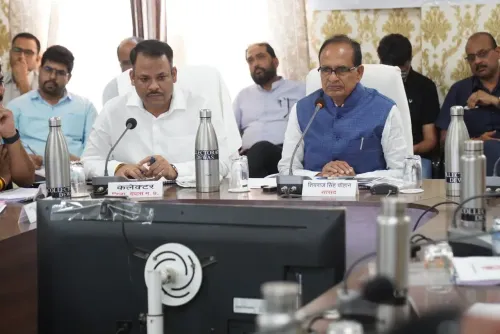
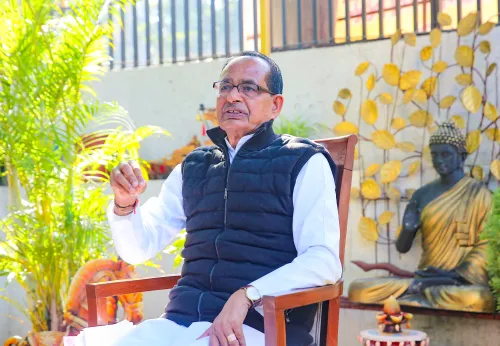
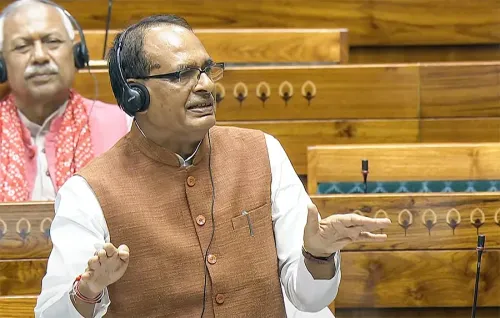
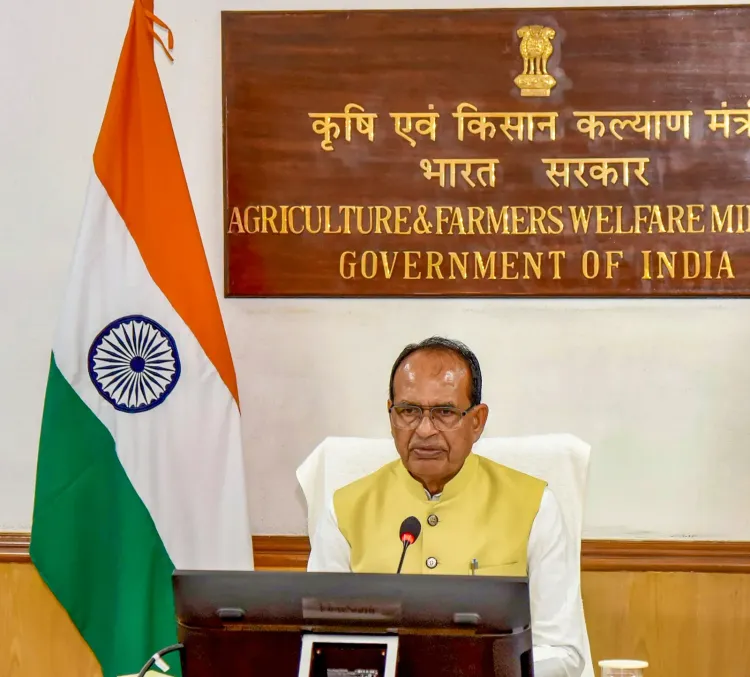
Union Minister for Rural Development Shivraj Singh Chouhan will chair a high-level meeting with banks and State Rural Livelihoods Missions (SRLMs) on Thursday in Mumbai, focused on expanding credit access for Self Help Groups (SHGs) and women-led individual enterprises. The deliberations, according to an official statement, will shape the action plan for the government's Financial Inclusion 2.0 vision — aimed at ensuring timely and adequate financing for rural women entrepreneurs across India.
What the Meeting Will Cover
The agenda includes a wide range of credit-related priorities: doubling the individual enterprise credit portfolio, raising the average loan quantum disbursed to SHGs, cutting turnaround time in loan sanction and disbursement, and saturating credit linkage for SHGs in underserved and difficult regions. Strengthening the cooperative credit structure at the District Central Cooperative Bank (DCCB) and Primary Agricultural Credit Society (PACS) level is also on the table.
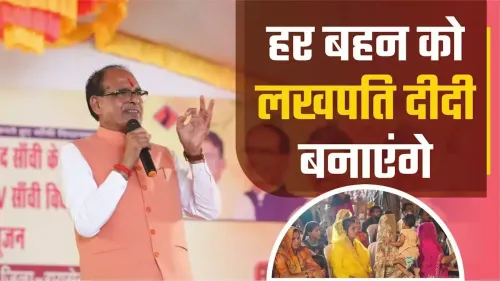
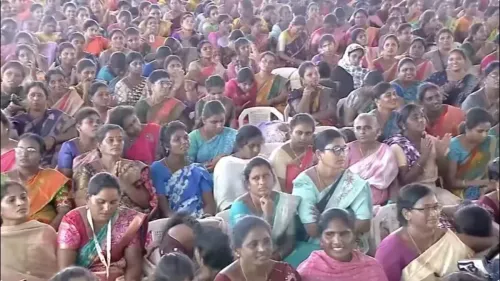
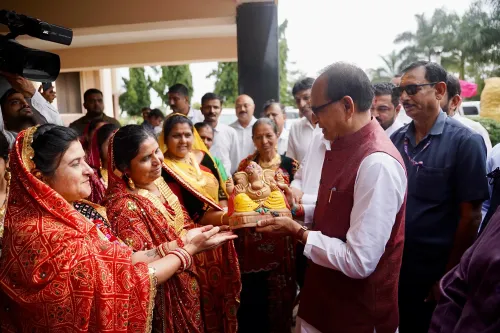
Ahead of the formal meeting, Chouhan will hold an extended interaction with SHG Didis — several of them Lakhpati Didis running established rural enterprises — to take stock of ground-level realities before engaging with institutional stakeholders.
Who Is Attending
The meeting will be attended by Union Ministers of State for Rural Development Chandra Sekhar Pemmasani and Kamlesh Paswan, as well as the Maharashtra Minister of Rural Development. Senior representatives from the Reserve Bank of India (RBI), the Department of Financial Services, public sector banks, private sector banks, regional rural banks, cooperative banks, NABARD, PFRDA, and chief executive officers of State Rural Livelihoods Missions will also participate. Managing Directors, Executive Directors, and Chairmen of apex cooperative banks are expected to present their assessments of progress and the path ahead.
The Scale of DAY-NRLM So Far
The meeting comes against the backdrop of significant progress under the Deendayal Antyodaya Yojana-National Rural Livelihoods Mission (DAY-NRLM), one of the Centre's flagship rural programmes. Over the past one and a half decades, the Mission has mobilised more than 10 crore rural women into over 93 lakh SHGs and their federations. Cumulative credit disbursement to SHGs has crossed ₹13.67 lakh crore, backed by consistently high repayment discipline from members.
The credit flow has enabled a large number of SHG members to establish and expand livelihood enterprises, with 3.46 crore women emerging as Lakhpati Didis — women earning over ₹1 lakh annually from their enterprises. As many of these businesses enter a growth phase, the Mission's next strategic priority is nurturing women-led enterprises and supporting their transition into sustainable rural businesses.
Why Financial Inclusion 2.0 Matters
The Financial Inclusion 2.0 framework represents a shift in ambition — from linking SHGs to basic credit to enabling them to access higher-order financial services and scale their enterprises. This comes amid a broader recognition that first-generation credit access, while transformative, is insufficient for the next stage of rural enterprise growth. Notably, the focus on dedicated financing for women-led enterprises signals a policy pivot from group-level lending to individual entrepreneurship support — a more complex but potentially more impactful intervention.
The outcomes of Thursday's discussions are expected to feed directly into revised operational guidelines for banks and SRLMs, setting the direction for rural credit policy in the near term.
Point of View
But the real test lies in execution — specifically, whether banks will meaningfully reduce turnaround times and raise loan quanta for borrowers who lack collateral in the conventional sense. The attendance of RBI and NABARD alongside commercial banks suggests the Centre is trying to coordinate supply-side reform, not just issue targets. Whether that coordination produces binding commitments or aspirational benchmarks will determine if this meeting is a turning point or another well-attended review.
NationPress
17 Oct 2026
Frequently Asked Questions
What is the purpose of Shivraj Chouhan's Mumbai meeting on Self Help Groups?
The meeting, chaired by Union Minister for Rural Development Shivraj Singh Chouhan on Thursday in Mumbai, aims to strengthen credit access for Self Help Groups and women-led enterprises under the Financial Inclusion 2.0 vision. Discussions will cover faster loan disbursement, higher credit quanta, and expanding access to underserved regions.
What is Financial Inclusion 2.0 in the context of rural India?
Financial Inclusion 2.0 is the Centre's next-phase strategy under DAY-NRLM, focused on ensuring timely and adequate credit for SHGs, dedicated financing for women-led individual enterprises, and expanded access to higher-order financial services in rural India. It builds on the foundational credit linkage achieved over the past decade and a half.
How much credit has been disbursed to Self Help Groups under DAY-NRLM?
Cumulative credit disbursement to SHGs under DAY-NRLM has crossed ₹13.67 lakh crore, according to official data. The Mission has mobilised more than 10 crore rural women into over 93 lakh SHGs, with repayment discipline cited as consistently high.
Who are Lakhpati Didis and how many are there?
Lakhpati Didis are SHG members who earn over ₹1 lakh annually from their own enterprises, typically after accessing institutional credit through the Mission. As of the latest official figures, 3.46 crore women have achieved this status.
Which institutions will attend the Mumbai SHG credit meeting?
The meeting will include senior representatives from the Reserve Bank of India, the Department of Financial Services, public and private sector banks, regional rural banks, cooperative banks, NABARD, PFRDA, and chief executives of State Rural Livelihoods Missions, alongside Union Ministers of State Chandra Sekhar Pemmasani and Kamlesh Paswan.