CISF seizes USD 1.19 lakh in fake-bottom bags at Kolkata airport
Synopsis
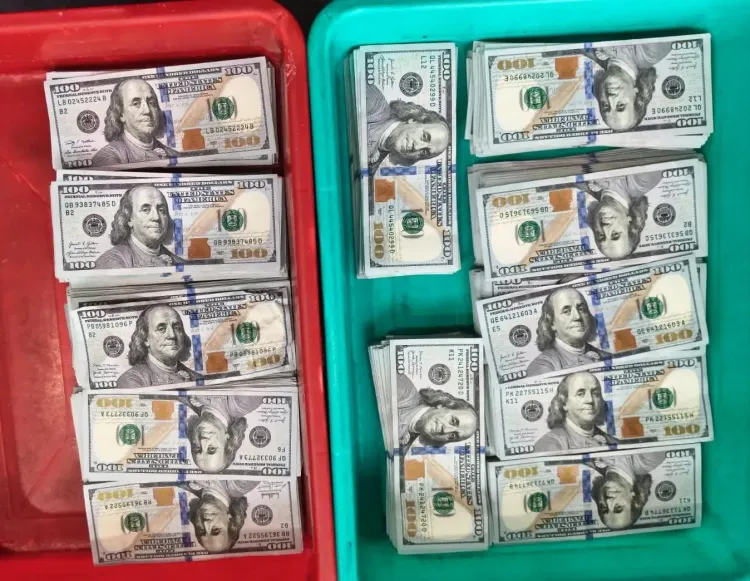
CISF screeners at Kolkata airport caught two Bangkok-bound passengers carrying USD 1,19,900 — roughly ₹1.13 crore — hidden in newspaper-wrapped false bottoms of their hand baggage. One passenger was produced before a sessions court; the other released with a detention receipt. The seizure is a textbook example of what coordinated X-ray vigilance and Customs follow-through can accomplish.
Key Takeaways
CISF intercepted USD 1,19,900 (approximately ₹1.13 crore ) at Netaji Subhas Chandra Bose International Airport, Kolkata on 19 October 2026 .
The currency was concealed in false bottoms of hand baggage, wrapped in newspaper, belonging to two passengers bound for Bangkok on Bhutan Airlines flight B3700 .
USD 74,900 was recovered from the first passenger; USD 45,000 from the second.
Both passengers and the seized currency were handed over to the Air Intelligence Unit (AIU) of Customs for investigation.
On 20 October 2026 , the first passenger was produced before the District and Sessions Court ; the second was released on a detention receipt.
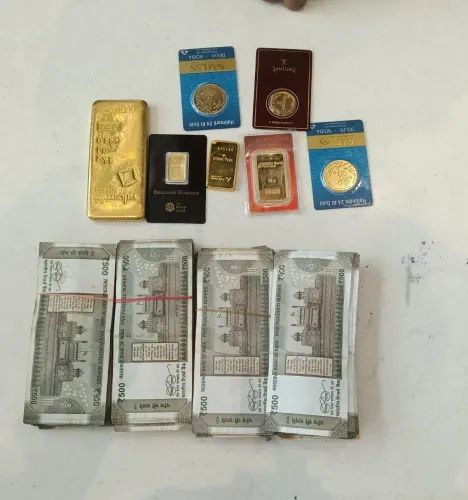
The Central Industrial Security Force (CISF) on 19 October 2026 intercepted USD 1,19,900 — equivalent to approximately ₹1.13 crore — concealed inside false bottoms of hand baggage belonging to two passengers attempting to fly from Kolkata to Bangkok on Bhutan Airlines flight B3700. The seizure took place at Netaji Subhas Chandra Bose International Airport's International Terminal Security Hold Area around 10:20 am during routine security screening.
How the Detection Unfolded
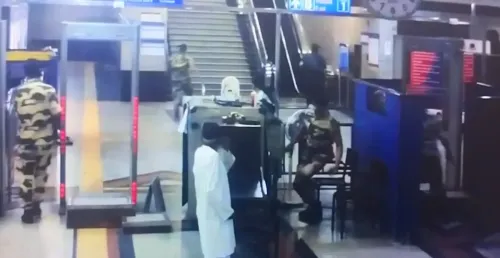
A CISF screener flagged suspicious images on the X-ray scan of the two passengers' hand baggage, prompting a physical examination. Inspectors found the foreign currency wrapped in newspaper and hidden inside false bottoms — a deliberate concealment technique aimed at evading airport security checks. The discovery underscores the effectiveness of behavioural observation combined with imaging technology at Indian airports.
Currency Split Between the Two Passengers
Of the total USD 1,19,900 recovered, USD 74,900 was found in the baggage of the first passenger, while the remaining USD 45,000 was seized from the second passenger's bag. Both individuals were subsequently handed over, along with the seized currency, to the Air Intelligence Unit (AIU) of Customs for further investigation and legal action.
Legal Proceedings After the Seizure
On 20 October 2026, the passenger from whose bag USD 74,900 was recovered was produced before the District and Sessions Court by AIU and Customs officials for further legal proceedings. The second passenger was released by Customs following the issuance of a detention receipt for the USD 45,000 seized from their baggage.
CISF Reiterates Airport Security Commitment
In an official release, the CISF reiterated its commitment to aviation security through rigorous screening procedures, alert surveillance, and professional conduct. According to officials, the case highlights the importance of coordinated action between airport security forces and Customs authorities in addressing suspected financial and currency-related violations. This comes amid heightened scrutiny of undeclared foreign currency movements through Indian international airports, where hawala-linked smuggling has been a recurring concern for enforcement agencies.
Point of View
And this Kolkata seizure follows a pattern seen at Mumbai, Delhi, and Chennai airports over the past two years. What stands out here is the coordination speed — less than 24 hours from detection to court production — which is not always the norm. The asymmetric legal outcome, however, raises a question worth watching: the passenger carrying the larger sum faces court proceedings while the one carrying USD 45,000 walks out on a detention receipt. Whether that differential treatment reflects evidential thresholds or procedural inconsistency is something Customs will need to account for as the case proceeds.
NationPress
21 Oct 2026
Frequently Asked Questions
What did CISF seize at Kolkata airport?
CISF personnel seized USD 1,19,900 — approximately ₹1.13 crore — hidden inside false bottoms of hand baggage belonging to two passengers at Netaji Subhas Chandra Bose International Airport on 19 October 2026. The currency had been wrapped in newspaper to evade detection.
Where were the passengers travelling to?
Both passengers were booked on Bhutan Airlines flight B3700 from Kolkata to Bangkok, Thailand, when they were intercepted during routine security screening at the airport's International Terminal Security Hold Area.
What happened to the two passengers after the seizure?
Both were handed over to the Air Intelligence Unit (AIU) of Customs for investigation. On 20 October 2026, the passenger carrying USD 74,900 was produced before the District and Sessions Court. The second passenger, from whom USD 45,000 was recovered, was released by Customs after a detention receipt was issued.
How was the hidden currency detected?
A CISF screener noticed suspicious images during X-ray scanning of the hand baggage, which led to a physical examination. Inspectors found the currency concealed in false bottoms of both bags, wrapped in newspaper to avoid detection.
What is the legal framework for undeclared foreign currency at Indian airports?
Passengers travelling internationally from India are permitted to carry only limited amounts of foreign currency without declaration. Amounts exceeding prescribed limits must be declared to Customs; undeclared currency can be seized under the Foreign Exchange Management Act (FEMA) and Customs Act, and may attract criminal proceedings.