Omar Abdullah: Civil Society Backs J&K Statehood Demand
Synopsis
J&K Chief Minister Omar Abdullah on 7 July 2026 said civil society representatives met National Conference president Farooq Abdullah and passed a unanimous resolution urging the Union Government to fulfil its promise and restore full statehood to Jammu and Kashmir without further delay.
Key Takeaways
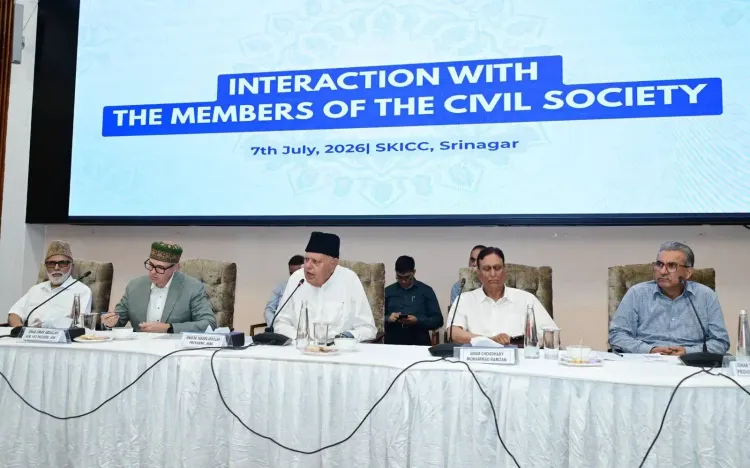
Civil society representatives from Kashmir attended a meeting with National Conference president Farooq Abdullah on 7 July 2026 .
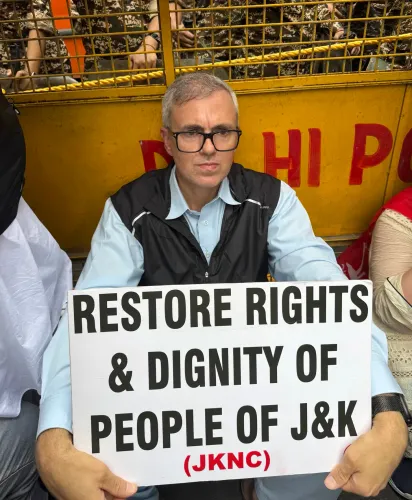
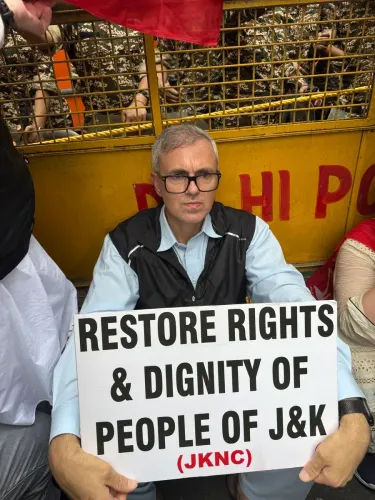
The meeting passed a unanimous resolution calling on the Union Government to restore full statehood to Jammu and Kashmir .
The resolution invoked the central government's own earlier promise on statehood restoration.
Jammu and Kashmir has been a Union Territory since the Jammu and Kashmir Reorganisation Act of August 2019 , which also revoked Article 370 .
The National Conference -led government, formed after the 2024 assembly elections , has consistently made statehood restoration a central political demand.
No legislative or executive timeline for statehood restoration has been publicly committed to by the Union Government .
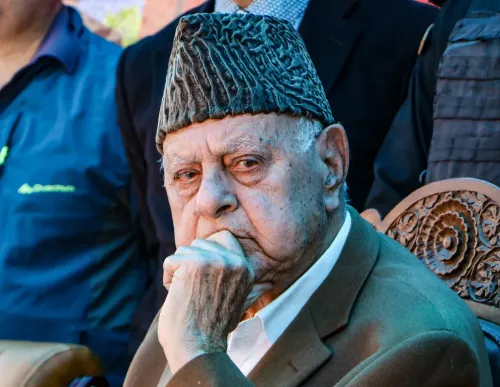
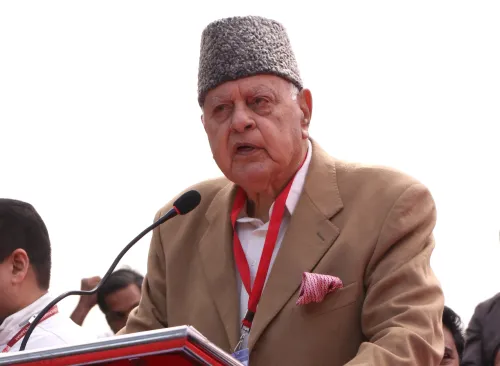
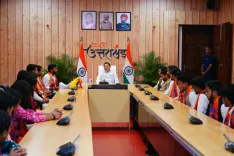
Jammu and Kashmir Chief Minister Omar Abdullah on Tuesday, 7 July 2026 said that civil society representatives from Kashmir attended a meeting with National Conference president Farooq Abdullah and passed a unanimous resolution calling on the Union Government to restore full statehood to Jammu and Kashmir without further delay.
What Happened
Chief Minister Omar Abdullah described the meeting as 'extremely productive', saying that Farooq Abdullah — widely referred to as Dr Sahib — was able to gather 'a lot of useful feedback and good suggestions' from the assembled civil society representatives. The meeting concluded with a unanimous resolution directed at the central government. The resolution specifically invoked the government's own earlier promise, calling on it to 'fulfil its promise and restore full statehood to J&K without further delay.'
The Chief Minister expressed gratitude to all participants who accepted the invitation, indicating that attendance was a matter of deliberate outreach rather than routine consultation.
Context
In August 2019, Parliament passed the Jammu and Kashmir Reorganisation Act, which revoked Article 370 of the Constitution and bifurcated the former state into two Union Territories — Jammu and Kashmir and Ladakh. The move fundamentally altered the region's constitutional status, stripping it of statehood and placing it under direct central administration.
The National Conference, in alliance with the Indian National Congress, contested the 2024 assembly elections on a platform that prominently featured restoration of statehood. The alliance won and formed the elected government, giving the demand fresh institutional weight even as the Union Territory framework remained in place under the Reorganisation Act.
Policy Backdrop
Senior Union Government ministers, including from the Home Ministry, have at various points indicated that statehood restoration remains a future possibility, though no legislative timeline has been publicly committed to. The existence of an elected assembly since late 2024 has given regional parties a formal platform to press the demand, but executive and legislative authority over the territory continues to rest significantly with the centrally appointed Lieutenant Governor.
Civil society resolutions and cross-party consultations on statehood have been a recurring feature of Jammu and Kashmir's political landscape since 2019. Tuesday's meeting, convened around Farooq Abdullah's engagement with civil society, follows that broader pattern while adding the weight of a formally worded unanimous resolution.
Stakeholders and Impact
For residents of Jammu and Kashmir, statehood restoration carries concrete implications: a fully empowered elected government, a state legislature with broader legislative competence, and reduced direct oversight from the centre. Regional parties across the political spectrum have argued that the current Union Territory arrangement limits democratic accountability.
The unanimous nature of the civil society resolution is politically significant for the National Conference-led government, as it provides a non-partisan, civic endorsement of a demand that the ruling party has championed since before the elections.
What's Next
Attention will now turn to the Union Home Ministry and whether the resolution prompts any formal response or signals a shift in the central government's position. Any movement on statehood restoration would likely require either an executive decision or fresh legislation in Parliament. Political observers will also watch for statements in the upcoming Parliament session that may indicate whether the central government is willing to set a timeline.
Point of View
Convened around Farooq Abdullah and publicly amplified by Chief Minister Omar Abdullah, represents a deliberate effort to broaden the statehood demand beyond party lines and give it a civic, non-partisan character. By framing the resolution as a call to 'fulfil a promise,' the National Conference is holding the Union Government to its own stated position rather than positioning the demand as partisan opposition. The move signals that the elected government in Srinagar intends to keep statehood restoration at the top of its political agenda heading into the next Parliament session. Whether the centre responds with a concrete timeline or continued ambiguity will define the next phase of J&K's constitutional trajectory.
NationPress
6 Oct 2026
Frequently Asked Questions
What did the J&K civil society resolution on statehood say?
The resolution, passed unanimously at a meeting with National Conference president Farooq Abdullah on 7 July 2026, called on the Union Government to fulfil its promise and restore full statehood to Jammu and Kashmir without further delay.
Why is Jammu and Kashmir a Union Territory and not a state?
Jammu and Kashmir became a Union Territory in August 2019 when Parliament passed the Jammu and Kashmir Reorganisation Act, which also revoked Article 370 and bifurcated the region into two Union Territories — Jammu and Kashmir, and Ladakh.
Has the Union Government promised to restore statehood to J&K?
Senior Union Government ministers have indicated at various points that statehood restoration is a future possibility, but no specific legislative timeline has been publicly committed to.
Who is Farooq Abdullah and why is he called Dr Sahib?
Farooq Abdullah is the president of the National Conference and a former Chief Minister of Jammu and Kashmir. He holds a medical degree, which is why he is commonly addressed as Dr Sahib in the region.
What powers does the J&K elected government have as a Union Territory?
As a Union Territory with a legislature, the Jammu and Kashmir government has limited powers compared to a full state; significant executive and legislative authority, including over law and order, continues to rest with the centrally appointed Lieutenant Governor.