JP Nadda should come to Jantar Mantar, not us: CJP on exam leak protest talks
Synopsis
CJP protesters demanding Education Minister Dharmendra Pradhan's resignation over exam paper leaks have turned the tables on the government — telling JP Nadda to come to Jantar Mantar rather than summon them to his office for a second round of talks. With allegations of police brutality on 20 July still unaddressed, the standoff is intensifying.
Key Takeaways
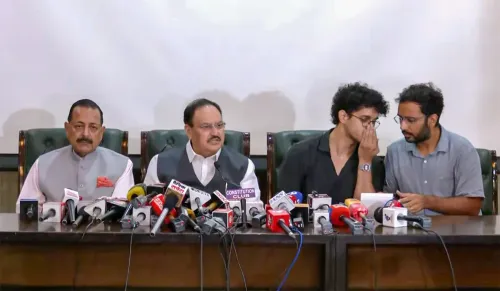
CJP spokesperson Saurav Das on 22 July told Union Minister JP Nadda that any talks must be held at the protest site at Jantar Mantar .
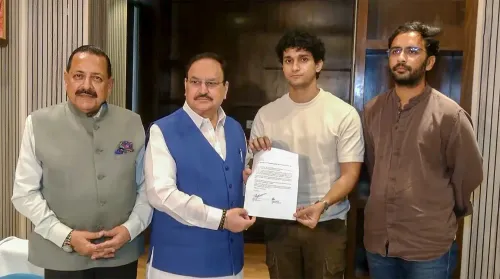
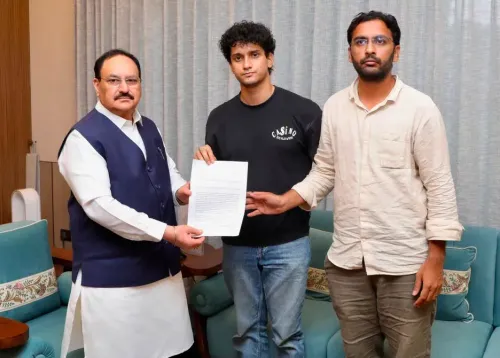
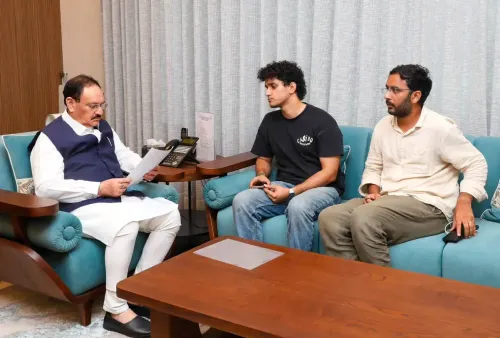
Nadda had extended a second invitation for talks after an earlier meeting on Monday , where CJP submitted a written memorandum with three key demands .
The group's primary demand is the resignation of Union Education Minister Dharmendra Pradhan over exam paper leaks.
Saurav Das alleged serious police brutality during the 20 July march, including use of pellet guns and protesters losing vision — claims not independently verified.
Das welcomed Congress leader Rahul Gandhi's sit-in protest near the Prime Minister's residence as a show of solidarity.
CJP has firmly rejected any violence within the movement, warning it would undermine the agitation's core cause.
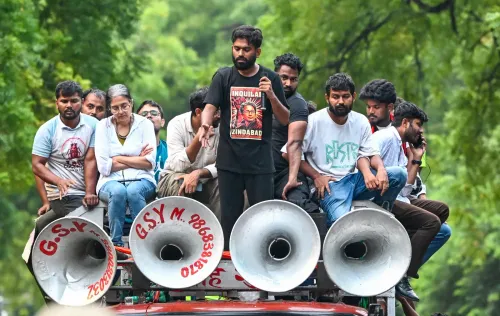
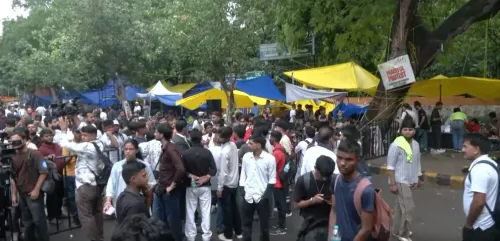
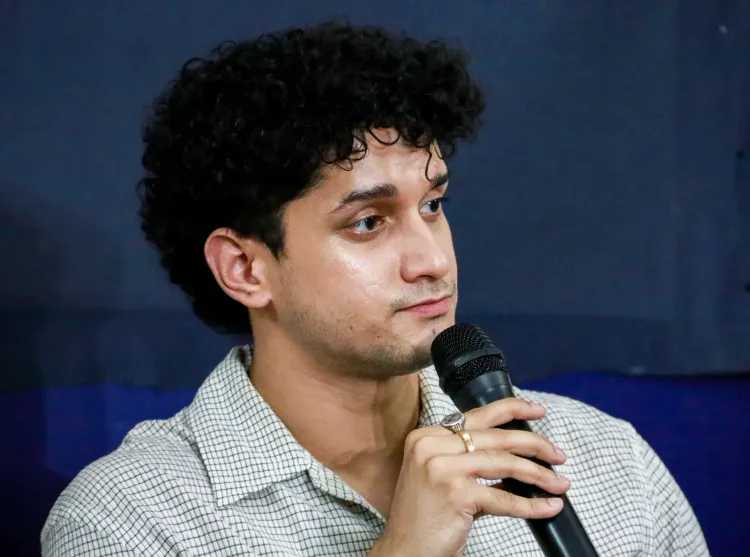
Citizens for Justice and Peace (CJP) spokesperson Saurav Das on Wednesday, 22 July declared that his organisation — which is spearheading an agitation demanding the resignation of Union Education Minister Dharmendra Pradhan over exam paper leaks — has told Union Minister JP Nadda that any fresh round of talks must take place at the protest site in Jantar Mantar, not at a government office or residence.
The Demand for Talks at Jantar Mantar
Das said Nadda had extended a second invitation for talks following an earlier meeting. The CJP's response was unambiguous. Saurav Das said: 'J.P. Nadda has invited us today once again for a second round of talks. We have told them that we are not coming to your office or home. They made us wait for four hours, and our time is also very precious. So, we have told them from our side that they should come to Jantar Mantar, come among the people, and present their point here. If they genuinely intend to accept our demands, only then can they call us.'
Earlier, on Monday, Das and fellow CJP member Ashutosh Ranka had met Nadda at his residence, where they submitted a written memorandum outlining the group's three key demands, during the 'Sansad Chalo' march.
Political Backing and Broader Solidarity
Das also welcomed the Congress sit-in near Prime Minister Narendra Modi's residence, held a day earlier. 'Rahul Gandhi is the Leader of Opposition in the Lok Sabha. It is his duty to (join the) agitation; we all are very happy with the way he protested,' he said.
Das framed the movement as cutting across political lines, stating: 'All of us have the same demand that the government should be held accountable. Dharmendra Pradhan will have to go. Whoever is willing to support this demand, either through protest, by approaching court or writing a letter, everyone is welcome.'
Allegations of Police Brutality on 20 July
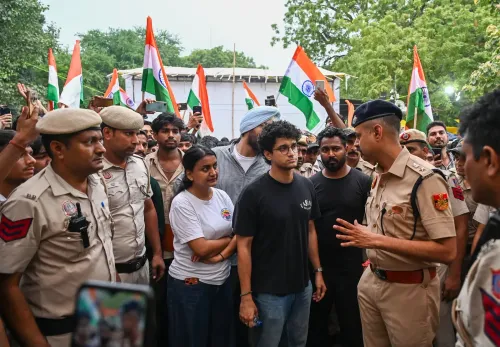
Responding to questions about police action during the 20 July march to Parliament, Das made serious allegations. 'Maybe this was the first time in a democracy's recent history that the police unleashed such brutality on the agitators. They had directly aimed to beat on the heads of students, their skulls were cracked open, and legs fractured,' he alleged.
He further claimed that pellet guns were used and that some protesters had reportedly lost their vision. These allegations have not been independently verified, and no official police response was available at the time of reporting.
CJP's Stance on Violence Within the Movement
While acknowledging that some protesters may have pushed back 'in self-defence', Das was categorical that violence has no place in the agitation. 'In a democracy and especially in an agitation like ours, there is no place for violence. The police should detain those who are being violent because such people are spoiling the atmosphere,' he said.
He warned that any resort to violence would shift the narrative away from the core demands. 'The youth are educated, rational and do understand such things will be negative for the movement,' Das added.
Das also alleged that protesters had been labelled as 'terrorists' by some quarters, a charge the group has rejected. 'We don't fall into such traps. The youth of the country are aware of the reality,' he said, noting that many supporters unable to join physically were sending food and other assistance to the protest site.
With Nadda's second invitation for talks now declined on the CJP's terms, the next move rests with the government — and whether it is willing to engage protesters on their own ground at Jantar Mantar.
Point of View
Not a breakdown — the group is using the optics of location to force the government into a visible, public engagement or a visible refusal. The allegations of pellet gun use on 20 July, if substantiated, would represent a serious accountability question that the government has yet to address on record. What is notable is the movement's deliberate effort to police its own ranks against violence — a sign of political maturity, but also a recognition that any incident of aggression would hand the administration a narrative lifeline. The broader question is whether the exam paper leak crisis has enough institutional weight to sustain street pressure, or whether it dissipates before producing a ministerial consequence.
NationPress
21 Oct 2026
Frequently Asked Questions
Why is CJP asking JP Nadda to come to Jantar Mantar?
CJP has declined Nadda's second invitation for talks at his office, insisting that if the government is genuinely concerned it must engage protesters at their agitation site at Jantar Mantar. The group says it was made to wait four hours during a previous meeting and considers its time equally valuable.
What are CJP's key demands in the exam paper leak protest?
CJP is demanding the resignation of Union Education Minister Dharmendra Pradhan over exam paper leaks. The group submitted a written memorandum with three key demands to JP Nadda at his residence on Monday during the 'Sansad Chalo' march.
What happened during the 20 July march to Parliament?
CJP spokesperson Saurav Das alleged that police used excessive force on protesters, including targeting heads, and that pellet guns were deployed, with some protesters reportedly losing vision. These claims have not been independently verified, and no official police response was available at the time of reporting.
Has any political party supported the CJP protest?
CJP has welcomed Congress leader and Leader of Opposition Rahul Gandhi's sit-in protest near the Prime Minister's residence. Das said the movement is open to support from anyone — through protest, legal action, or letters — who backs the demand for ministerial accountability.
What is CJP's position on violence during the protests?
CJP has firmly stated there is no place for violence in its agitation, even while acknowledging that some protesters may have reacted in self-defence. Saurav Das warned that violence would shift the narrative away from the exam leak issue and harm the movement's credibility.