CJP presents 3 demands to JP Nadda; minister urges end to Jantar Mantar sit-in
Synopsis
After more than a month at Jantar Mantar, the Cockroach Janta Party secured a sit-down with JP Nadda — and put three blunt demands on the table: free Sonam Wangchuk, sack the Education Minister, and pay ₹1 crore to every family that lost a child to the NEET paper leak crisis. Nadda called the meeting 'cordial' and urged the protesters to go home. The CJP has not yet agreed.
Key Takeaways
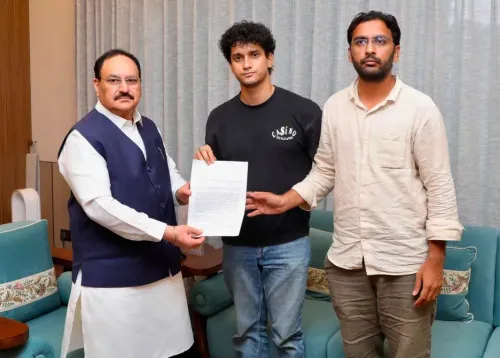
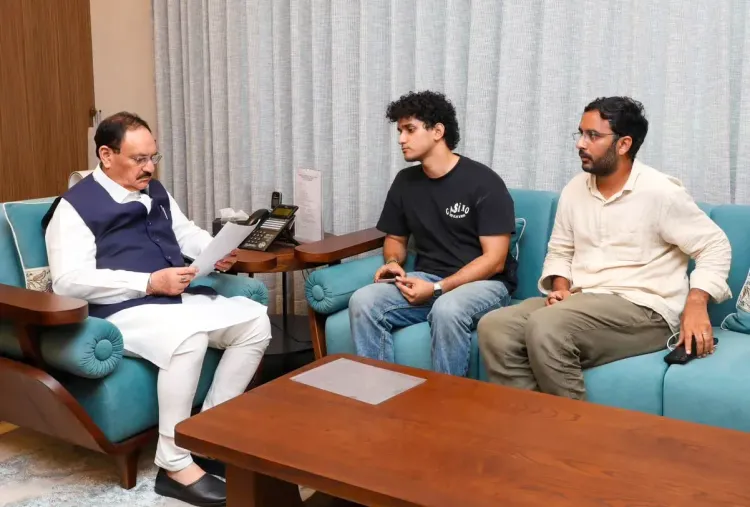
CJP spokespersons Saurav Das and Ashutosh Ranka met Union Minister JP Nadda on 20 July at his residence.
The three demands: release of Sonam Wangchuk , resignation of Education Minister Dharmendra Pradhan , and ₹1 crore compensation for families of NEET aspirants who died by suicide.
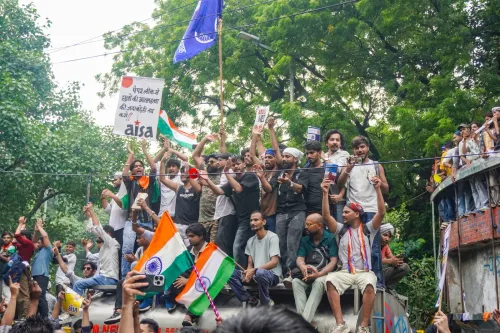
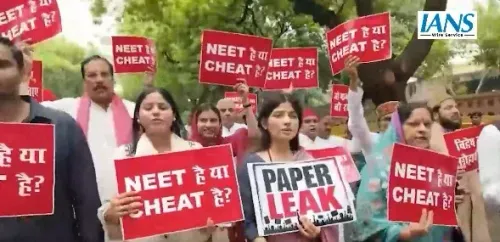
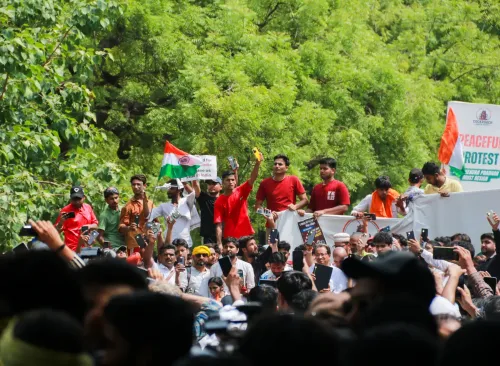
The CJP has been protesting at Jantar Mantar since 6 June over the NEET 2026 paper leak.
Sonam Wangchuk joined the protest approximately three weeks before the Nadda meeting.
Nadda described the meeting as 'cordial' and appealed for the sit-in to end; the CJP has not yet confirmed it will do so.
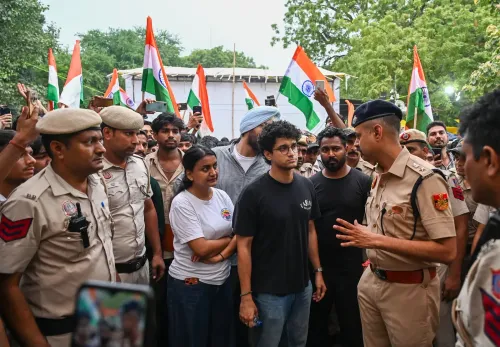
Saurav Das raised concern over a police crackdown on protestors at the dharna site after the meeting.
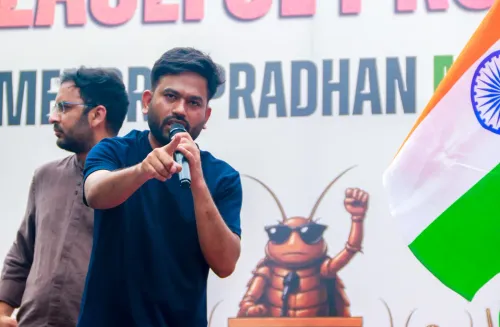
Two spokespersons of the Cockroach Janta Party (CJP) met Union Minister JP Nadda at his residence on Monday, 20 July, presenting a formal letter of demands and pressing for government action on three specific issues. The meeting marks a significant development in a stalemate that has kept the satirical political group camped at Jantar Mantar, near the Parliamentary complex, for over a month.
The Three Demands
CJP spokespersons Saurav Das and Ashutosh Ranka placed three explicit demands before the minister: the immediate release of social activist Sonam Wangchuk with no restrictions on his movement; the resignation of Education Minister Dharmendra Pradhan; and a compensation of ₹1 crore each for families of all NEET aspirants who reportedly died by suicide in the wake of the NEET 2026 paper leak controversy.
The CJP contends that repeated examination paper leaks reflect a systemic failure, and that no meaningful corrective action has been taken by the government to plug the gaps.
What the Government Said
JP Nadda acknowledged the written petition and shared details of the meeting on social media platform X. 'Our discussions have been ongoing since 11:50 a.m. The meeting took place in a cordial atmosphere. An initial verbal discussion was held in detail with their delegation, and they submitted a written petition to me around 4 p.m.,' Nadda posted on X.
The minister stated that the CJP had approached the government to initiate talks, and he subsequently made an appeal to CJP workers and volunteers to end their demonstration, indicating that the government had taken note of their demands.
Background: A Month at Jantar Mantar
The CJP launched its sit-in protest at Jantar Mantar on 6 June, targeting the government over what it described as the Education Ministry's failure to conduct 'leakage-proof' examinations. The protest drew wider attention approximately three weeks before the Nadda meeting, when prominent social activist Sonam Wangchuk lent his support to the agitation.
Notably, the demonstration has taken place in a high-security zone adjacent to the Parliamentary complex, adding a layer of sensitivity to the government's response timeline.
Police Crackdown and Ongoing Concerns
Following the meeting, Saurav Das voiced concern over a reported police crackdown on protestors at the dharna site. He maintained that the CJP's demands align with the aspirations of India's youth and called on the government to formally agree to them before the protest is called off.
The outcome of the talks remains uncertain, with the CJP yet to announce whether it will suspend its agitation. How the government responds to the written petition is expected to determine the protest's next phase.
Point of View
Acknowledge receipt of the petition, and appeal for normalcy — without committing to any of the three demands. The demand for Dharmendra Pradhan's resignation is the one the government is least likely to concede; ministerial exits under protest pressure set precedents the ruling party has historically resisted. The ₹1 crore compensation demand, meanwhile, puts a price on institutional failure that the government has not publicly accepted. How the CJP reads Nadda's non-committal outreach will determine whether this meeting is a turning point or a pressure-release valve.
NationPress
21 Jul 2026
Frequently Asked Questions
What are the three demands the CJP placed before JP Nadda?
The CJP demanded the release of social activist Sonam Wangchuk with no restrictions on his movement, the resignation of Education Minister Dharmendra Pradhan, and ₹1 crore compensation for families of NEET aspirants who reportedly died by suicide following the NEET 2026 paper leak.
Why has the CJP been protesting at Jantar Mantar?
The Cockroach Janta Party launched its sit-in at Jantar Mantar on 6 June to protest the government's handling of repeated examination paper leaks, particularly the NEET 2026 leak. The group argues that no systemic corrective action has been taken despite recurring failures.
What did JP Nadda say after the meeting?
Nadda posted on X that discussions began at 11:50 a.m. and the CJP delegation submitted a written petition around 4 p.m. He described the meeting as 'cordial' and appealed to CJP workers to end their demonstration, saying the government had taken note of their demands.
Who is Sonam Wangchuk and why is he linked to this protest?
Sonam Wangchuk is a prominent social activist who joined the CJP's Jantar Mantar sit-in approximately three weeks before the 20 July meeting with Nadda. His participation drew wider public attention to the protest. The CJP has demanded his release and the removal of any restrictions on his movement.
Has the CJP agreed to end its protest after the Nadda meeting?
As of the meeting on 20 July, the CJP had not confirmed it would end its sit-in. Spokesperson Saurav Das reiterated that the government must formally agree to their demands before the protest is called off, and separately raised concern over a police crackdown at the dharna site.