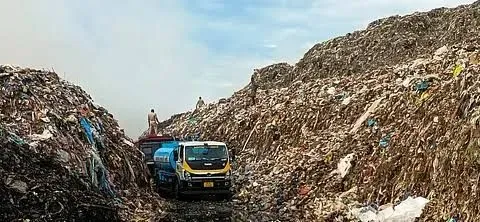
Madurai Corporation to deploy AI, GPS tracking for smarter waste management
Synopsis
Madurai Corporation is combining AI-powered CCTV surveillance, real-time GPS tracking of sanitation workers and vehicles, and five new micro-composting centres to tackle chronic illegal dumping and inefficient waste collection — a technology-first urban sanitation push that could set a precedent for Tamil Nadu's municipal bodies.
Key Takeaways
Madurai Corporation is integrating AI and GPS tracking into its solid waste management system.
An AI surveillance platform will analyse CCTV feeds to auto-detect illegal dumping hotspots .
Ten garbage-vulnerable points identified for intensified monitoring, including Vandiyur Park and Holy Family School area .
GPS monitoring will track sanitation workers and collection vehicles in real time.
Five new micro-composting centres (MCCs) to be added to the existing 30 MCCs for decentralised biodegradable waste processing.
Civic activists welcome the plan but flag that door-to-door collection efficiency must also improve for lasting impact.
The Madurai Corporation is set to overhaul its solid waste management system by integrating artificial intelligence (AI), GPS-based monitoring, and expanded decentralised waste processing — a multi-pronged push to improve sanitation and curb illegal dumping across the city.
The civic body has finalised a comprehensive plan targeting chronic garbage accumulation hotspots, tighter supervision of conservancy operations, and more scientific treatment of biodegradable waste.
AI Surveillance to Target Dumping Hotspots
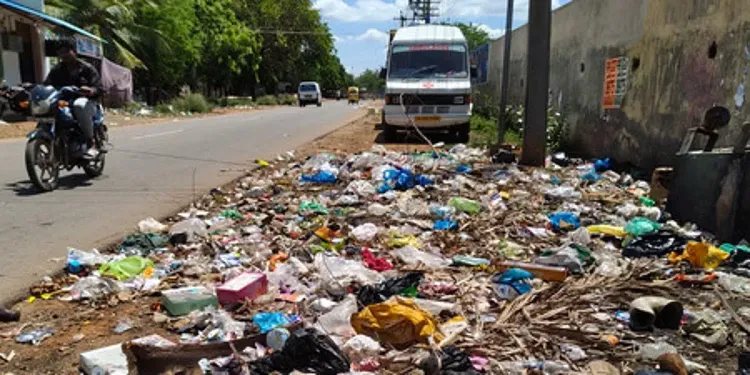
A central feature of the initiative is an AI-powered surveillance platform that will analyse feeds from CCTV cameras and other monitoring systems to automatically flag areas where waste is repeatedly dumped in violation of civic rules. The system is designed to enable rapid official intervention before garbage accumulates into a public health hazard.
The Corporation has identified ten garbage-vulnerable points across Madurai for intensified monitoring. These include the Vandiyur Park badminton point, the Holy Family School area, and the stretch opposite the city's fruit market. Officials believe focused surveillance at these sites will significantly reduce repeat incidents of illegal dumping.
GPS Monitoring of Vehicles and Sanitation Workers
GPS-enabled tracking will be introduced for both sanitation workers and waste collection vehicles, providing real-time visibility into field operations. Authorities will be able to monitor vehicle movement, verify staff attendance, check adherence to designated collection routes, and ensure timely pickups.
The system is also expected to strengthen accountability among conservancy staff and allow faster response to public complaints about sanitation lapses — a persistent grievance in many urban local bodies across Tamil Nadu.
Five New Micro-Composting Centres Planned
To bolster decentralised waste treatment, the Corporation has proposed setting up five new micro-composting centres (MCCs) within city limits. Madurai currently operates 30 MCCs, and the additional facilities will expand capacity for on-site processing of biodegradable waste.
Officials said decentralised composting would cut the volume of waste transported to dumping yards, reduce transportation costs, and promote scientific organic waste disposal closer to its source — easing pressure on landfill sites in the process.
Civic Response and What Comes Next
Civic activists have broadly welcomed the proposed measures but cautioned that technology alone is insufficient. They stressed that strengthening door-to-door waste collection efficiency remains equally critical for any lasting improvement in the city's sanitation performance.
With implementation details yet to be formally announced, the Corporation's technology-driven model could serve as a template for other municipal bodies in Tamil Nadu grappling with similar urban sanitation challenges.
Point of View
But the track record of GPS and AI deployments in Indian municipal bodies is patchy — hardware gets installed, dashboards go live, and then maintenance lapses or staff resistance quietly hollows out the system. The real test will be whether the Corporation builds an enforcement workflow around the AI alerts rather than treating the technology as a publicity exercise. The civic activists' caveat about door-to-door collection is the sharper point: no amount of surveillance fixes a gap in primary collection coverage, which remains the foundational failure in most Indian urban sanitation systems.
NationPress
20 Oct 2026
Frequently Asked Questions
What is the Madurai Corporation's new waste management plan?
The Madurai Corporation plans to overhaul its solid waste management system using AI-powered surveillance, GPS tracking of sanitation workers and vehicles, and five new micro-composting centres. The initiative targets illegal dumping hotspots, improves operational accountability, and expands decentralised biodegradable waste processing.
How will AI be used in Madurai's waste management system?
An AI platform will analyse inputs from CCTV cameras and surveillance systems to automatically detect areas prone to illegal dumping. This allows officials to intervene quickly and prevent waste from accumulating at chronic hotspots across the city.
Which locations in Madurai have been identified as garbage-vulnerable points?
The Corporation has identified ten garbage-vulnerable points for intensified monitoring. These include the Vandiyur Park badminton point, the Holy Family School area, and the stretch opposite the city's fruit market.
How many micro-composting centres will Madurai have after the expansion?
Madurai currently operates 30 micro-composting centres (MCCs). The proposed addition of five new MCCs will bring the total to 35, expanding the city's capacity for decentralised biodegradable waste treatment.
What concerns have civic activists raised about the plan?
Civic activists have welcomed the technology-driven measures but stressed that improving the efficiency of door-to-door waste collection is equally important. They argue that surveillance and GPS tools cannot substitute for gaps in primary waste collection coverage.