Delhi Police circulate Flag Code rules amid CJP Tiranga march detentions at CP
Synopsis
Delhi Police used social media to circulate 12 Flag Code rules on the same day they detained CJP founder Abhijeet Dipke for calling an unauthorised Tiranga march at Connaught Place — turning a patriotic demonstration into a flashpoint over the legality of public assembly and the limits of flag use in protest politics.
Key Takeaways
Delhi Police circulated 12 Flag Code rules on X on 16 October 2026 , warning against disrespecting the Tricolour.
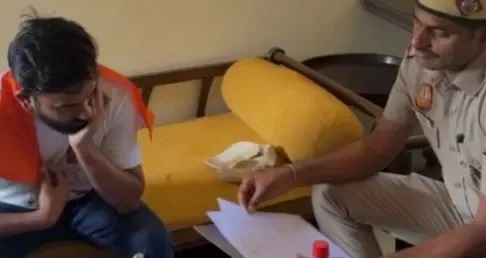
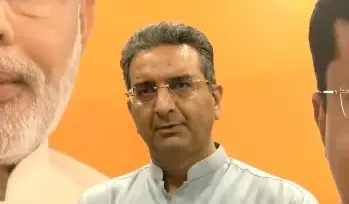
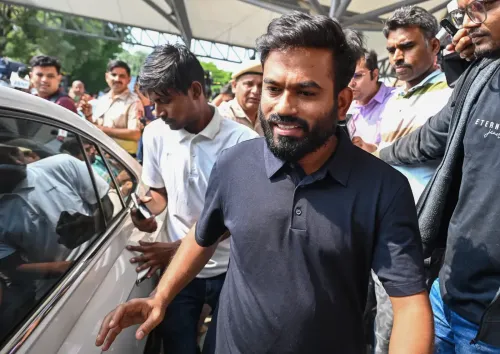
CJP founder Abhijeet Dipke was detained after being served two notices for calling an unauthorised march at Connaught Place .
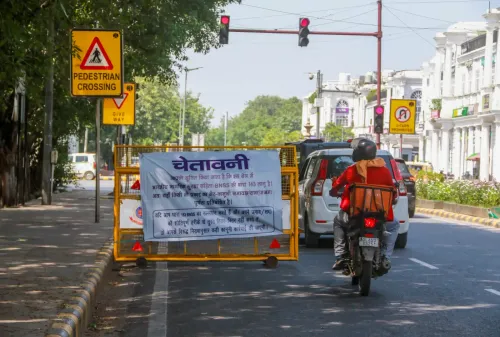
The proposed venue, Central Park , was sealed under Section 163 BNSS ; the NDMC had not granted permission.
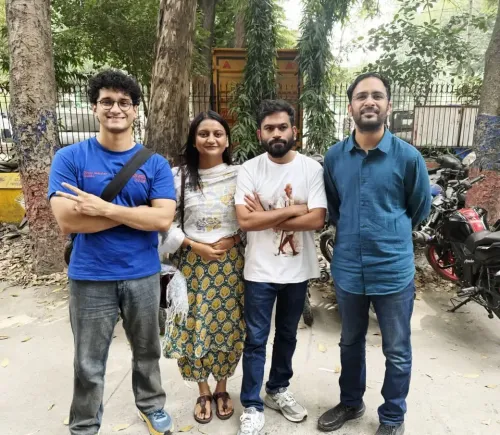
Left student leader Neha Bora and AISA supporters were among those detained; Rajya Sabha MP John Brittas later marched in the area with the Tricolour.
Disrespecting the national flag carries imprisonment of up to 3 years under the Prevention of Insults to National Honour Act, 1971 .
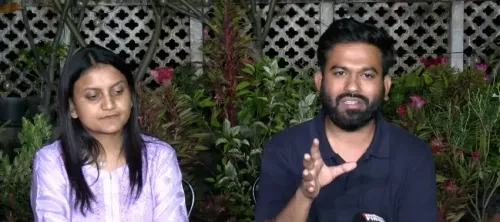
Co-conveners Ashutosh Ranka and Saurav Das were reminded of a prior legal undertaking following an earlier preventive detention at the airport.
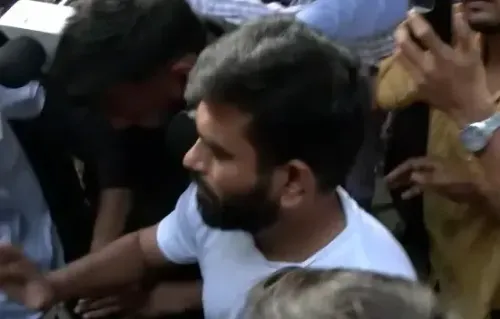
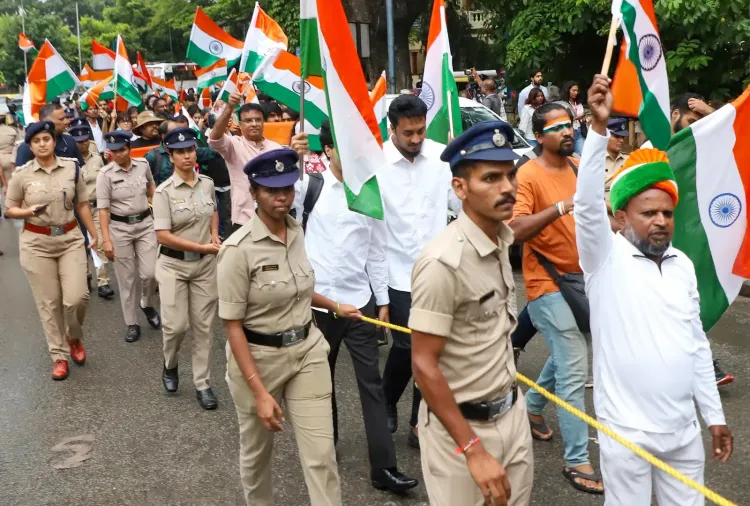
Delhi Police on Friday, 16 October 2026, circulated a list of 12 rules drawn from the Flag Code of India on social media, warning citizens against disrespecting the national Tricolour — hours after detaining Cockroach Janta Party (CJP) founder and convener Abhijeet Dipke over an unauthorised march called under the banner 'Lehra Do Tiranga' at Connaught Place in central New Delhi. The move came amid dramatic scenes of Tricolour-waving crowds gathering around Central Park even as prohibitory orders remained in force at the site.
What Delhi Police Posted on X
In an official post on X, Delhi Police stated: 'Our Tricolour deserves the highest respect. Let patriotism reflect in every gesture. Respect the Flag. Uphold the Pride.' The post outlined rules reminding citizens that the national flag shall not be intentionally allowed to touch the ground or floor, or trail in water; it shall not be used to cover a speaker's desk or draped over a speaker's platform; and it shall not be used as a covering for any vehicle, train, boat or aircraft, or over a building.
The police also cautioned that no lettering of any kind shall be placed on the national flag, and that the flag shall not be used as a receptacle for receiving, delivering, holding or carrying anything — except flower petals placed inside before it is unfurled on special occasions and national days. A separate reminder flagged that intentionally displaying the Tricolour with the saffron stripe facing downward is illegal.
Detentions and Ground Situation at Connaught Place
The proposed venue — Central Park in Connaught Place — remained out of bounds through Friday evening. Despite this, crowds gathered along roads converging at the park and at the gates of Rajiv Chowk Metro station until after sunset. Left student leader Neha Bora and supporters of the All India Students' Association (AISA) were detained and taken away by police. Smaller groups of demonstrators were also detained from Barakhamba Road and nearby locations.
Later in the evening, Rajya Sabha MP and Communist leader John Brittas marched in Connaught Place with supporters, holding the Tricolour. His presence underscored the political dimension of the demonstration, which drew participants from multiple opposition-aligned groups.
Why Dipke Was Detained
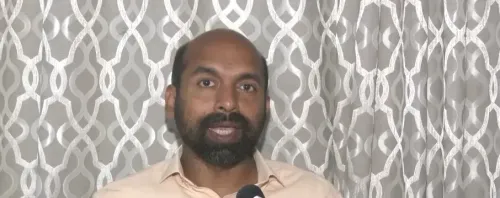
Authorities issued two separate notices to Dipke before detaining him. The first was issued on behalf of New Delhi district authorities under the Delhi Police Act, instructing individuals not to visit Central Park, citing Section 163 of the Bharatiya Nagarik Suraksha Sanhita (BNSS) currently in force at the venue. The second notice, issued by South West Delhi authorities, reminded Dipke — along with CJP co-conveners Ashutosh Ranka and Saurav Das — that they were previously 'bound down' (placed under a legal undertaking) following preventive detention at the airport and their subsequent production before a court.
The New Delhi Municipal Council (NDMC) had not granted permission for the gathering, providing an additional legal basis for dispersal.
The Law on Flag Disrespect
Under the Prevention of Insults to National Honour Act, 1971, any person who brings the Indian National Flag into contempt can face imprisonment for a term extending up to three years, a fine, or both. The police's social media campaign appeared timed to pre-empt any misuse of the flag during the demonstration, which was framed as a patriotic exercise by its organisers. Notably, this is not the first time authorities have used public awareness messaging around the Flag Code during politically charged marches — the practice has become a recurring feature of law enforcement communication strategy in recent years.
What Happens Next
The CJP leadership faces scrutiny over the prior legal undertakings, which could complicate future attempts to organise public gatherings. The detentions and the police's social media outreach are likely to fuel a political debate about the boundaries of patriotic expression and the use of the national flag in protest politics. As of Friday evening, no fresh date for a rescheduled march had been announced.
Point of View
Signalling a broader pattern of using symbolic law to manage politically inconvenient public assemblies. Opposition participation, including a sitting Rajya Sabha MP marching with the Tricolour, complicates any straightforward law-and-order narrative. The real test is whether the courts — if approached — will examine whether the prohibitory orders and prior 'bound down' undertakings were applied proportionately to the actual threat posed.
NationPress
16 Oct 2026
Frequently Asked Questions
What is the CJP 'Lehra Do Tiranga' march?
It is a Tricolour-waving march called by the Cockroach Janta Party (CJP) at Connaught Place in New Delhi on 16 October 2026. The march was declared unauthorised by police because the NDMC had not granted permission and prohibitory orders under Section 163 BNSS were in force at the proposed venue.
Why was CJP founder Abhijeet Dipke detained?
Abhijeet Dipke was detained after Delhi Police served him two notices — one citing Section 163 BNSS prohibitory orders at Central Park, and another reminding him of a prior legal undertaking ('bound down' order) following an earlier preventive detention at the airport. He had given a public call for the unauthorised gathering despite those restrictions.
What are the key rules from the Flag Code of India that Delhi Police highlighted?
Delhi Police cited 12 rules, including that the Tricolour must not touch the ground or trail in water, must not cover a speaker's desk or platform, must not be used on vehicles or buildings as a covering, must not be part of any costume or dress material, and must not carry any lettering. Intentionally displaying the flag with the saffron stripe downward is also prohibited.
What is the punishment for disrespecting the Indian national flag?
Under the Prevention of Insults to National Honour Act, 1971, bringing the Indian National Flag into contempt is punishable with imprisonment of up to three years, a fine, or both.
Who else was detained during the Connaught Place march?
Left student leader Neha Bora and several All India Students' Association (AISA) supporters were detained and taken away by police. Smaller groups of demonstrators were also detained from Barakhamba Road and nearby locations. Rajya Sabha MP and Communist leader John Brittas was not detained and later marched in the area with the Tricolour.