NEET paper leak: CJP urges Sonam Wangchuk to end 25-day hunger strike
Synopsis
After 25 days without food, Sonam Wangchuk's health is in danger — but the student movement demanding Education Minister Dharmendra Pradhan's resignation over the NEET paper leak shows no sign of stopping. The CJP has pledged to keep protests alive even if Wangchuk ends his fast, while the activist himself has told the government exactly what it would take for him to do so.
Key Takeaways
The Cockroach Janta Party (CJP) wrote to Sonam Wangchuk on 22 July urging him to end his 25-day hunger strike .
The agitation demands the resignation of Union Education Minister Dharmendra Pradhan over the NEET paper leak .
CJP founder Abhijeet Dipke pledged protests will continue until Pradhan resigns, even after Wangchuk ends his fast.
Wangchuk wrote to Union Health Minister J.P.
Nadda saying he will end his fast if the government assures no action against protesters.
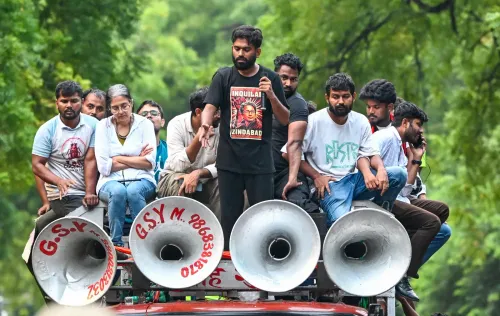
The 'Chalo Sansad' march on 20 July saw students travel from multiple states to New Delhi in solidarity.
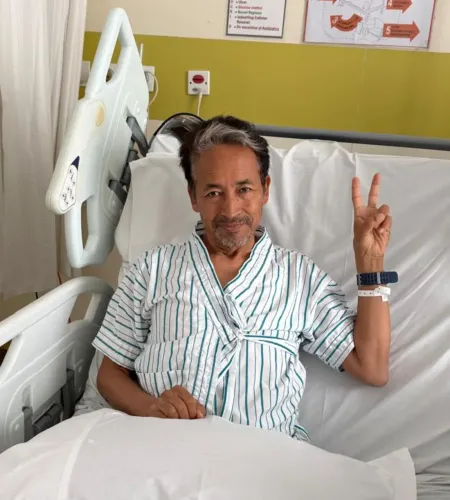
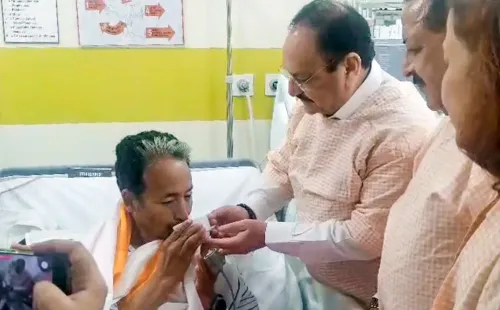
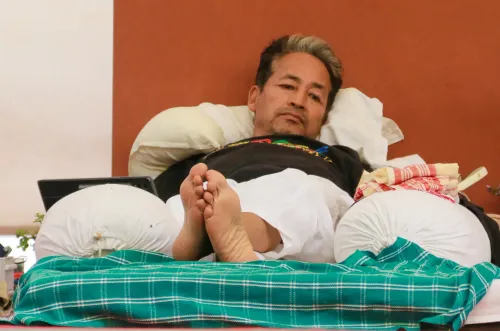
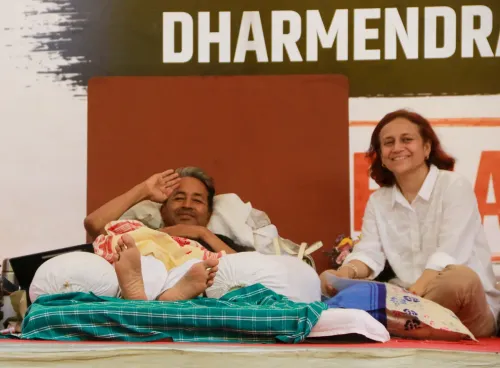
Climate activist Sonam Wangchuk entered his 25th day of hunger strike on Wednesday, 22 July, as the Cockroach Janta Party (CJP) wrote to him appealing for an end to his fast — while pledging that the agitation demanding the resignation of Union Education Minister Dharmendra Pradhan over the NEET paper leak would press on regardless. The letter underscores the growing concern over Wangchuk's deteriorating health even as student-led protests show no sign of abating.
CJP's Appeal to Wangchuk
In its letter to the Ladakh-based activist, the CJP said: 'With great respect and gratitude, we request you to please end your fast. Your sacrifice has inspired thousands of students across the country. On July 20, young people travelled from different states to stand with you and this movement. You have shown that this fight is bigger than any one person and that students deserve justice. But right now, we need you to take care of your health.'
The party assured Wangchuk that his stepping back from the fast would not signal the end of the movement. 'We promise that this struggle will not end with your fast. We will continue the protests and take this fight forward until our demands for examination justice are met,' the letter stated.
CJP Founder Speaks Out
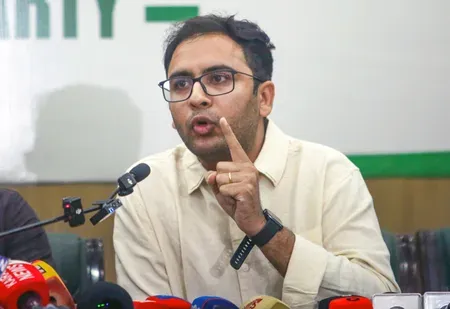
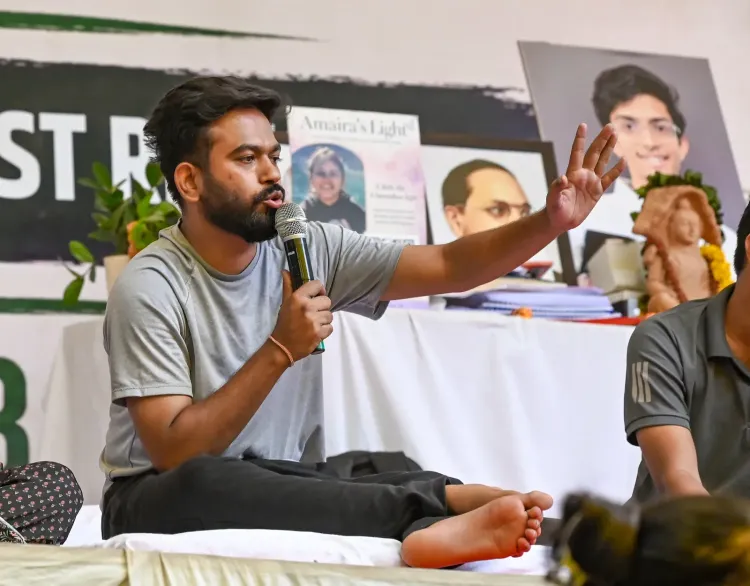
CJP founder Abhijeet Dipke shared a video on his official X account echoing the appeal. 'Today is the 25th day of Sonam sir's hunger strike. Being 25 days without food has put his life in danger. I don't want anything bad to happen to him, so I request Sonam sir to end his fast,' Dipke said.
Dipke was unequivocal that the protest would outlast the hunger strike. 'I assure that even after Sonam sir ends his hunger strike, we will continue this protest till Dharmendra Pradhan resigns as the Union Education Minister,' he said. He also called on demonstrators to remain peaceful, warning that those raising objectionable slogans or threatening anyone 'can never be a part of this movement.' Dipke invoked the legacies of Mahatma Gandhi and B.R. Ambedkar as the guiding principles of the agitation.
Wangchuk's Condition for Ending the Fast
In a parallel development, Wangchuk wrote separately to Union Health Minister J.P. Nadda and Minister of State Jitendra Singh, stating he would end his fast if the Union government provided assurances that no action would be taken against protesters — a reference to the 'Chalo Sansad' march held on 20 July, in which students from multiple states converged on New Delhi in solidarity.
This comes amid sustained public pressure on the Centre over the NEET-UG 2024 paper leak controversy, which has drawn widespread criticism from students, opposition parties, and civil society. Notably, this is the second major agitation in recent years in which Wangchuk — who first rose to national prominence through his campaigns for Ladakh's constitutional status — has used an extended hunger strike as a tool of protest.
What Happens Next
The government has yet to respond formally to either Wangchuk's letter or the CJP's demands. With the activist's health reportedly at risk after 25 days without food, the coming hours are likely to be decisive — both for his well-being and for the trajectory of the student movement. All eyes are now on whether the Centre will offer any assurance to facilitate an end to the fast without conceding on the core demand of Pradhan's resignation.
Point of View
While any assurance on protester safety could be read as a concession that emboldens the demand for Pradhan's head. The NEET controversy has already cost the government credibility on examination integrity; how it handles this standoff will signal whether it intends to manage dissent or address its root cause.
NationPress
21 Oct 2026
Frequently Asked Questions
Why is Sonam Wangchuk on a hunger strike?
Sonam Wangchuk has been on a hunger strike for 25 days to demand the resignation of Union Education Minister Dharmendra Pradhan over the NEET-UG 2024 paper leak controversy. The protest has drawn student solidarity from across the country, including a 'Chalo Sansad' march in New Delhi on 20 July.
What did the CJP write to Sonam Wangchuk?
The Cockroach Janta Party (CJP) wrote to Wangchuk on 22 July urging him to end his fast on health grounds, while assuring him that protests demanding Dharmendra Pradhan's resignation would continue regardless. CJP founder Abhijeet Dipke also shared a video appeal on X reiterating the request.
What is Sonam Wangchuk's condition for ending the hunger strike?
Wangchuk has written to Union Health Minister J.P. Nadda and Minister of State Jitendra Singh stating he will end his fast if the Union government assures that no action will be taken against protesters who participated in the 'Chalo Sansad' march on 20 July.
Who is Abhijeet Dipke and what did he say?
Abhijeet Dipke is the founder of the Cockroach Janta Party (CJP). He appealed to Wangchuk to end his fast citing health risks, and pledged that the agitation for Dharmendra Pradhan's resignation would continue peacefully, guided by the principles of Mahatma Gandhi and B.R. Ambedkar.
What is the NEET paper leak controversy?
The NEET-UG 2024 paper leak controversy refers to allegations that question papers for India's national medical entrance examination were leaked before the test, compromising its integrity. The scandal has triggered widespread student protests and demands for accountability, including calls for Education Minister Dharmendra Pradhan's resignation.