Sonam Wangchuk seeks discharge from Safdarjung to join Sansad Chalo March
Synopsis
Sonam Wangchuk, hospitalised mid-hunger-strike after a Delhi High Court order, wrote to Safdarjung Hospital on 20 July seeking temporary discharge to join the Sansad Chalo March — a protest demanding Education Minister Dharmendra Pradhan's resignation over the NEET-UG paper leak. Clashes, lathi charges, and signal jammers marked a tense morning at Jantar Mantar.
Key Takeaways
Sonam Wangchuk wrote to Safdarjung Hospital on 20 July seeking permission to leave and join the Sansad Chalo March .
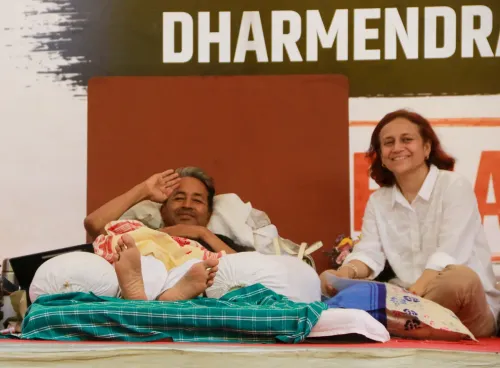
Wangchuk has been on an indefinite hunger strike and was hospitalised after a Delhi High Court order allowing authorities to intervene on health grounds.
The march demands the resignation of Union Education Minister Dharmendra Pradhan over the NEET-UG paper leak and related exam irregularities.
Thousands gathered at Jantar Mantar ; clashes broke out between protesters and Delhi Police , with a lathi charge reported.
Authorities deployed signal jammers near the protest site, with protesters reporting disrupted mobile connectivity.
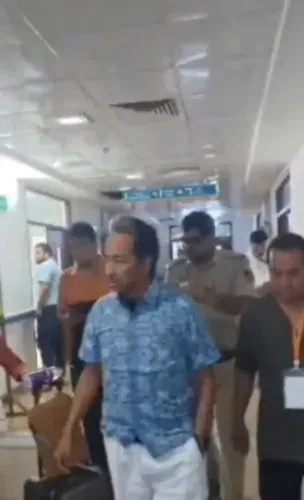
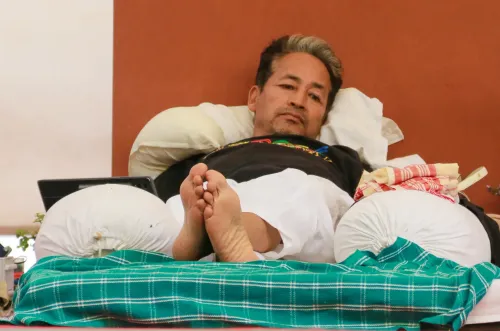
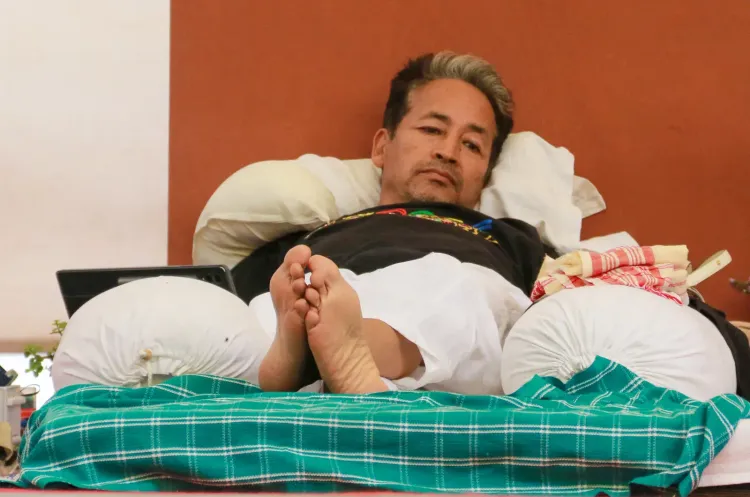
Climate activist Sonam Wangchuk on Monday, 20 July wrote to the Director of Safdarjung Hospital in New Delhi, requesting permission to leave the facility — even temporarily — to participate in the 'Sansad Chalo March' towards Parliament. Wangchuk, who has been on an indefinite hunger strike, was admitted to the hospital after the Delhi High Court authorised authorities to intervene if his health deteriorated during the fast.
Wangchuk's Letter to the Hospital
In his written request, Wangchuk stated: 'This is to state that I am feeling very fine today and my health parameters are also showing as quite normal. Hence, I request you to kindly allow me to leave the hospital, even if temporarily, so that I can join the march to the Parliament — Sansad Chalo — this morning.' The letter underlines his determination to remain part of the protest despite his hospitalisation.
Why the Protest Was Called
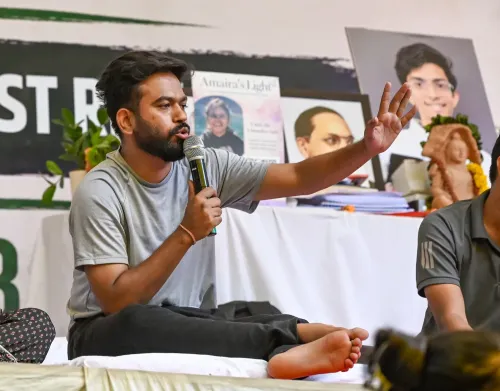
The 'Chalo Sansad' march was organised to demand the resignation of Union Education Minister Dharmendra Pradhan over the NEET-UG paper leak case and a series of other examination-related irregularities — including those linked to the 12th CBSE Board — that have triggered nationwide concern over the integrity of competitive examinations. Thousands of supporters, including students and young protesters carrying flags and raising slogans, began converging on Jantar Mantar early Monday morning.
Clashes at Jantar Mantar
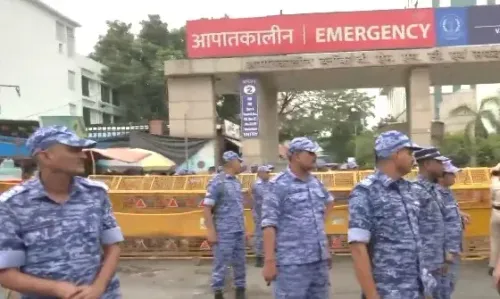
The situation turned tense as clashes broke out between Delhi Police and demonstrators attempting to cross security barricades. Police deployed in large numbers, with multiple layers of barricading erected across the New Delhi district. A riot control vehicle entered the protest site early in the morning, and a lathi charge was also reported during confrontations. Authorities additionally deployed signal jammers in and around the venue, with several protesters claiming mobile phone connectivity was disrupted near the site.
Background: Wangchuk's Hunger Strike and Hospitalisation
Wangchuk had been observing an indefinite fast at a protest site before being shifted to Safdarjung Hospital following the Delhi High Court's directive permitting authorities to intervene on health grounds. His hospitalisation drew significant public attention and galvanised supporters, many of whom joined Monday's march as a show of solidarity. This is not the first time Wangchuk has used hunger strikes to press for political demands — he has previously fasted to highlight the cause of Ladakh's statehood and constitutional safeguards.
What Happens Next
As of Monday morning, it remained unclear whether the hospital authorities would grant Wangchuk's request to leave. The protest's outcome — and any potential escalation — is likely to depend on whether demonstrators manage to advance towards Parliament and how authorities respond in the hours ahead.
Point of View
Permitting authorities to hospitalise him, walks a fine line between welfare and containment. The deeper issue is that the NEET-UG crisis has now fused with Ladakh's statehood movement through Wangchuk's persona, giving the protest a broader coalition than either cause would have commanded alone. Signal jammers and lathi charges at Jantar Mantar risk shifting the story from exam fraud to state overreach — a framing the government would be wise to avoid.
NationPress
19 Oct 2026
Frequently Asked Questions
Why is Sonam Wangchuk in Safdarjung Hospital?
Wangchuk was admitted to Safdarjung Hospital in New Delhi after the Delhi High Court permitted authorities to intervene if his health deteriorated during his indefinite hunger strike. He had been fasting at a protest site before being shifted to the hospital.
What is the Sansad Chalo March about?
The Sansad Chalo March, organised on 20 July, demands the resignation of Union Education Minister Dharmendra Pradhan over the NEET-UG paper leak and other exam irregularities, including issues with the 12th CBSE Board. Thousands of students and supporters gathered at Jantar Mantar to participate.
What happened at Jantar Mantar during the protest?
Clashes broke out between Delhi Police and demonstrators attempting to cross security barricades. A lathi charge was reported, a riot control vehicle was deployed, and authorities used signal jammers that reportedly disrupted mobile connectivity near the venue.
Did the hospital grant Wangchuk permission to leave?
As of the morning of 20 July, it was not confirmed whether Safdarjung Hospital authorities had granted Wangchuk's request to leave temporarily and join the march.
Who is Sonam Wangchuk and why is he protesting?
Sonam Wangchuk is a Ladakh-based climate activist and innovator known for championing Ladakh's statehood and constitutional safeguards. He joined the NEET protest movement and has been on an indefinite hunger strike to press for accountability over the NEET-UG paper leak and related examination failures.