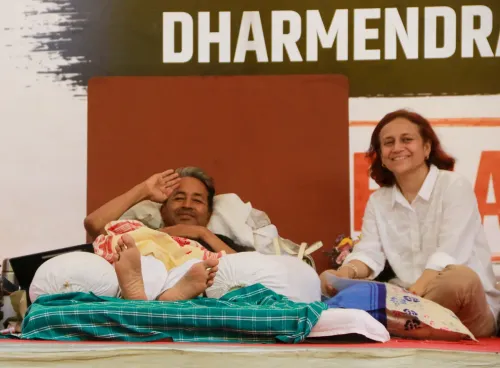
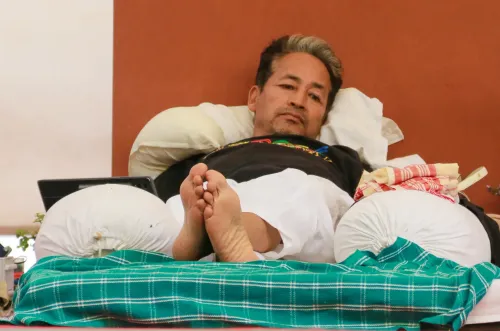
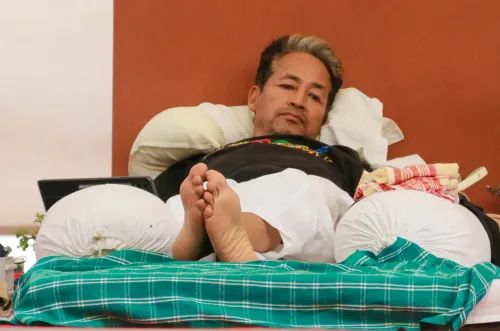
Sonam Wangchuk hospitalised on day 21 of fast, shows signs of dehydration
Synopsis
On day 21 of his hunger strike over the NEET controversy, Sonam Wangchuk was rushed to Safdarjung Hospital showing dehydration and weakness — even as his wife insisted no treatment be given without family consent. With the Monsoon Session opening on 20 July and a march to Parliament planned, the standoff is far from over.
Key Takeaways
Sonam Wangchuk was admitted to Safdarjung Hospital on 18 July , the 21st day of his hunger strike.
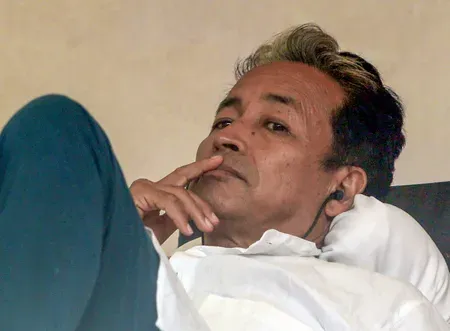
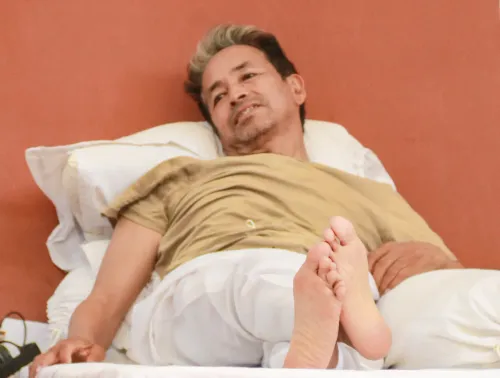
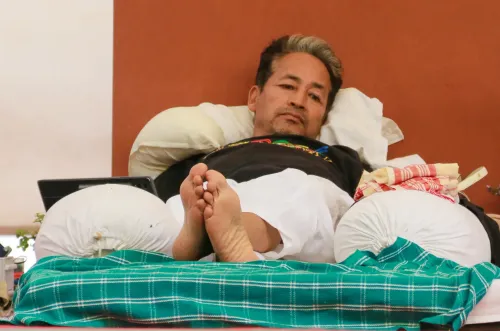
Doctors found him weak due to prolonged fasting with signs of dehydration ; he is currently stable but under continuous observation.
The hospitalisation followed a Delhi High Court directive mandating daily clinical health assessments of the activist.
Angmo stated no oral or IV treatment should be given without consent from the family and his long-term doctors.
Wangchuk is demanding the resignation of Union Education Minister Dharmendra Pradhan over alleged NEET irregularities.
A march from Jantar Mantar to Parliament House was called for 20 July , the first day of the Monsoon Session .
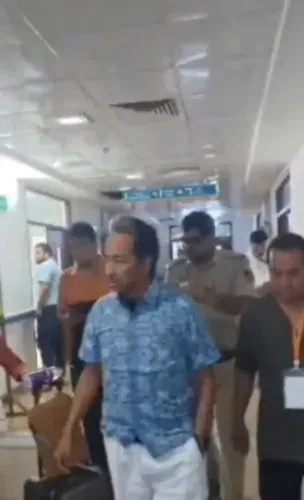
Climate activist and innovator Sonam Wangchuk was admitted to Safdarjung Hospital in New Delhi on Saturday, 18 July — the 21st day of his ongoing hunger strike — after doctors assessed him to be weak due to prolonged fasting and found signs of dehydration. Delhi Police confirmed that his condition is being continuously monitored under expert supervision.
How the Hospitalisation Unfolded
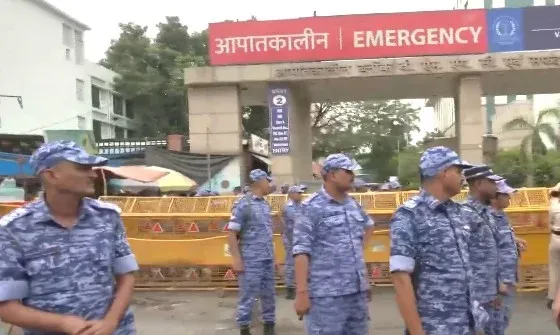
Police personnel arrived at the protest site early in the morning and shifted Wangchuk to Safdarjung Hospital amid sloganeering and protests by fellow activists. According to a Delhi Police statement, doctors had arrived for a routine daily check-up as directed by the Delhi High Court, but faced obstructions from some protesters, causing a brief commotion.
'Considering the delicate health condition of Sh Wangchuk, on medical advice, he was taken to Safdarjung Hospital for medical examination and further intervention, as required,' the police statement read.
Hospital Assessment and Current Condition
Safdarjung Hospital confirmed that Wangchuk was received and admitted at 7.40 am on Saturday. In its assessment, the hospital stated: 'He is weak due to prolonged fasting and dehydration. Although he is currently stable, he requires continuous observation, monitoring and treatment to restore his body parameters.'
Delhi Police added that further tests are being conducted and that his health is under expert observation. The hospital had not, as of the latest update, indicated any immediate life-threatening development.
Family's Stance on Treatment
Wangchuk's wife, Gitanjali J. Angmo, issued a clear directive stating that no oral or intravenous treatment should be administered to her husband without consent from her, his family, and his long-term doctors. This position underscores the tension between the medical establishment's interventions and the family's wishes regarding the fast.
High Court Directive and Background
Earlier this week, the Delhi High Court directed authorities to conduct daily clinical health assessments of Wangchuk, observing that 'the life of any citizen is precious' and instructing the Centre to ensure all necessary medical intervention to safeguard his life. The court order effectively compelled the daily monitoring that led to Saturday's hospitalisation.
Wangchuk launched the hunger strike demanding the resignation of Union Education Minister Dharmendra Pradhan over alleged irregularities in the NEET examination. He had also called for a march on 20 July from Jantar Mantar to Parliament House to coincide with the first day of the Monsoon Session, pressing the same demand.
What Happens Next
With Wangchuk now hospitalised and the Monsoon Session set to begin on 20 July, the political pressure around the NEET controversy is likely to intensify. Whether the planned march proceeds — and who leads it in his absence — remains to be seen. His condition will continue to be tracked as authorities balance medical necessity against the activist's own stated wishes.
Point of View
Especially with a Parliament march scheduled for 20 July.
NationPress
16 Oct 2026
Frequently Asked Questions
Why was Sonam Wangchuk admitted to Safdarjung Hospital?
Sonam Wangchuk was admitted to Safdarjung Hospital on 18 July, the 21st day of his hunger strike, after doctors assessed him to be weak due to prolonged fasting and found signs of dehydration. The move was made on medical advice, following a Delhi High Court directive requiring daily clinical assessments.
What is Sonam Wangchuk's current health condition?
According to Safdarjung Hospital, Wangchuk is currently stable but weak, with dehydration noted. He requires continuous observation, monitoring, and treatment to restore his body parameters, and further tests are being conducted under expert supervision.
What is Sonam Wangchuk demanding through his hunger strike?
Wangchuk launched the hunger strike demanding the resignation of Union Education Minister Dharmendra Pradhan over alleged irregularities in the NEET examination. He also called for a march from Jantar Mantar to Parliament House on 20 July, coinciding with the opening of the Monsoon Session.
What did the Delhi High Court order regarding Wangchuk?
The Delhi High Court directed authorities to conduct daily clinical health assessments of Wangchuk, observing that 'the life of any citizen is precious.' It also instructed the Centre to ensure all necessary medical intervention to safeguard his life.
What is Wangchuk's family's position on his medical treatment?
His wife, Gitanjali J. Angmo, stated that no oral or intravenous treatment should be given to Wangchuk without consent from her, his family, and his long-term doctors — a stance that creates a direct tension with the medical team's mandate to intervene as required.