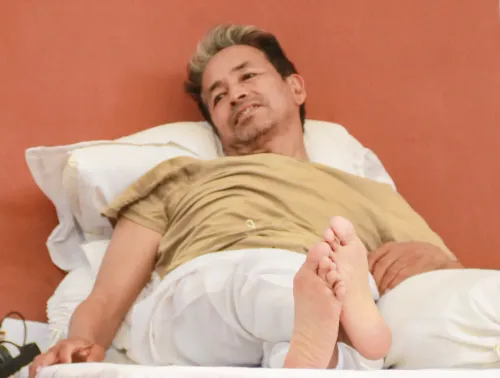
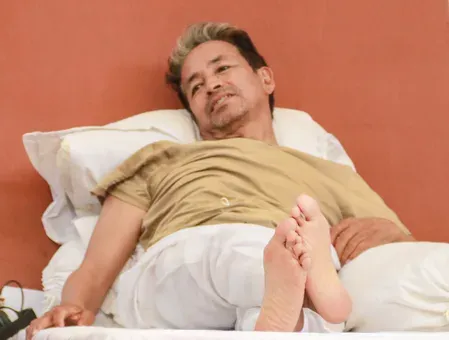
Sonam Wangchuk hospitalised after 20-day hunger strike; wife demands family consent for treatment
Synopsis
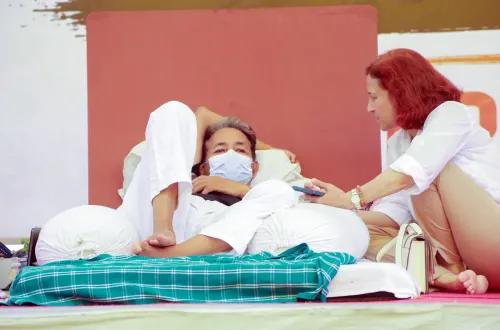
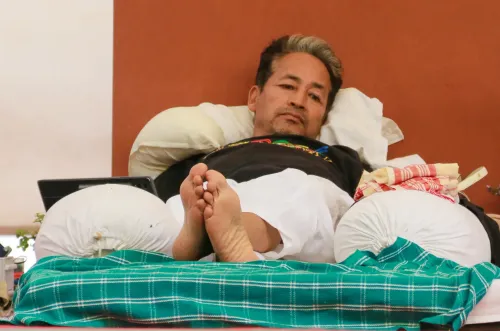
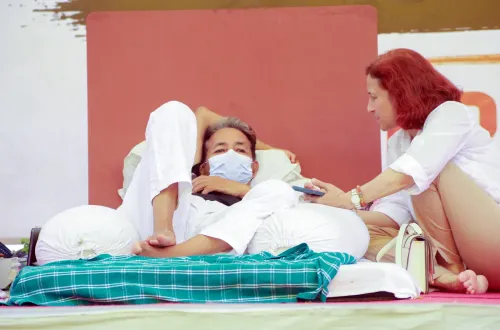
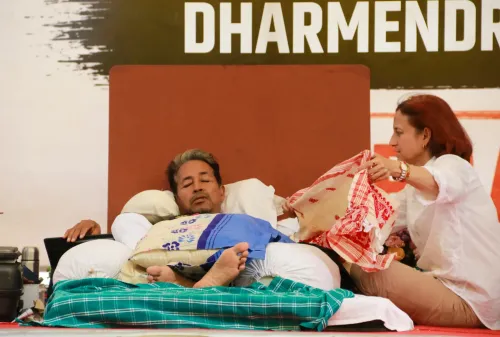
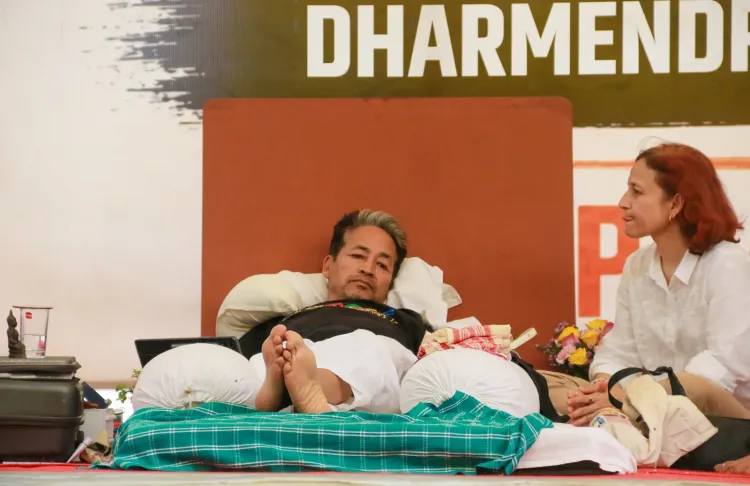
After more than 20 days on hunger strike at Jantar Mantar over the NEET controversy, Sonam Wangchuk has been hospitalised at Safdarjung Hospital on Delhi High Court orders — and his wife has publicly warned doctors that no treatment should be given without family consent. With a planned march to Parliament on 20 July still on the table, the protest is far from over.
Key Takeaways
Sonam Wangchuk was hospitalised at Safdarjung Hospital, New Delhi on 18 July after over 20 days of hunger strike at Jantar Mantar .
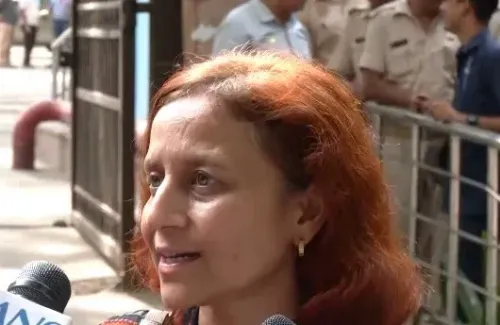
His wife, Gitanjali J.
Angmo , publicly stated that no oral or IV treatment should be given without consent from her, his family, and his long-term doctors.
The transfer was carried out in compliance with Delhi High Court directions and medical advice; a brief commotion occurred at the protest site.
The Delhi High Court had earlier ordered daily clinical health assessments and directed the Centre to ensure necessary medical intervention.
Wangchuk's hunger strike targets the resignation of Union Education Minister Dharmendra Pradhan over alleged NEET irregularities.
A march from Jantar Mantar to Parliament House is planned for 20 July , the first day of the Monsoon Session .
Climate activist and innovator Sonam Wangchuk was hospitalised on Saturday, 18 July after his health deteriorated following more than 20 days of hunger strike at Jantar Mantar in New Delhi. His wife, Gitanjali J. Angmo, immediately issued a public directive stating that no oral or intravenous treatment should be administered to him without explicit consent from her, his family, and the doctors who have been monitoring his condition throughout the strike.
Wife's Directive on Treatment
Gitanjali J. Angmo, posting on social media platform X from Safdarjung Hospital, said: 'I am at Safdarjung Hospital in Delhi where Sonam Wangchuk has been admitted. Nothing should be administered to him orally or intravenous without take consent from me, his family and his doctors who have been monitoring his health for the past 20 days.' The statement underscores the family's intent to retain control over medical decisions amid what has become a high-profile political standoff.
Hospital Transfer and Police Action
Wangchuk was shifted to hospital in the early hours of Saturday in compliance with directions from the Delhi High Court and on the advice of medical experts. Police personnel reached the protest site at Jantar Mantar to facilitate the transfer, which was accompanied by sloganeering and resistance from fellow activists.
The Deputy Commissioner of Police (New Delhi), in a post on X, stated: 'As per orders of Hon'ble High Court and on expert medical advise due to the deteriorating health condition of Sh. Sonam Wangchuk, he has been shifted to the hospital for essential medical care. While complying with the orders of Hon'ble High Court the protestors tried to create obstruction, in which slight commotion ensued, however police took maximum restrain and undertook the exercise safely. We request the protestors at Jantar Mantar to peacefully vacate the place at the earliest.'
Delhi High Court's Role
The hospitalisation came ahead of a scheduled Delhi High Court hearing on Wangchuk's health. Earlier in the week, the court had directed authorities to conduct daily clinical health assessments of the activist, observing that 'the life of any citizen is precious' and instructing the Centre to ensure all necessary medical intervention to safeguard his life. The court's proactive stance reflects the legal and humanitarian dimensions of a protest that has drawn national attention.
Background: NEET Controversy and Demands
Wangchuk launched the hunger strike demanding the resignation of Union Education Minister Dharmendra Pradhan over alleged irregularities in the NEET examination. The strike, now past its third week, has escalated in both medical urgency and political significance. He had also called for a march on 20 July from Jantar Mantar to Parliament House — timed to coincide with the first day of the Monsoon Session — to further press his demand for Pradhan's resignation.
What Comes Next
With Wangchuk now under hospital care and the Delhi High Court monitoring his condition, attention turns to whether the Centre will respond to his demands or whether the standoff will continue into the Monsoon Session. The planned 20 July march remains a flashpoint, with activists at Jantar Mantar yet to vacate the site as of Saturday.
Point of View
The government faces a choice between engagement and continued silence — and the NEET controversy that triggered this strike has not gone away.
NationPress
16 Oct 2026
Frequently Asked Questions
Why was Sonam Wangchuk hospitalised?
Sonam Wangchuk was hospitalised at Safdarjung Hospital in New Delhi on 18 July after his health deteriorated following more than 20 days of hunger strike at Jantar Mantar. The transfer was carried out on Delhi High Court orders and on the advice of medical experts.
What did Sonam Wangchuk's wife say about his treatment?
His wife, Gitanjali J. Angmo, posted on X from Safdarjung Hospital stating that nothing should be administered to Wangchuk — orally or intravenously — without consent from her, his family, and the doctors who have monitored his health throughout the strike. The directive was aimed at ensuring the family retains control over medical decisions.
What role did the Delhi High Court play?
The Delhi High Court had directed authorities to conduct daily clinical health assessments of Wangchuk and instructed the Centre to ensure all necessary medical intervention, observing that 'the life of any citizen is precious.' His hospitalisation came ahead of a scheduled court hearing on his health.
What are Sonam Wangchuk's demands?
Wangchuk launched the hunger strike demanding the resignation of Union Education Minister Dharmendra Pradhan over alleged irregularities in the NEET examination. He has also called for a march from Jantar Mantar to Parliament House on 20 July, the first day of the Monsoon Session.
What happens next in the Sonam Wangchuk protest?
With Wangchuk under hospital care, attention shifts to the planned march on 20 July and the start of the Monsoon Session. Fellow activists remain at Jantar Mantar, and the Delhi High Court continues to monitor his health condition, keeping pressure on the Centre to respond.