Odisha CMO Highlights Women-Led Transport Growth Push
Synopsis
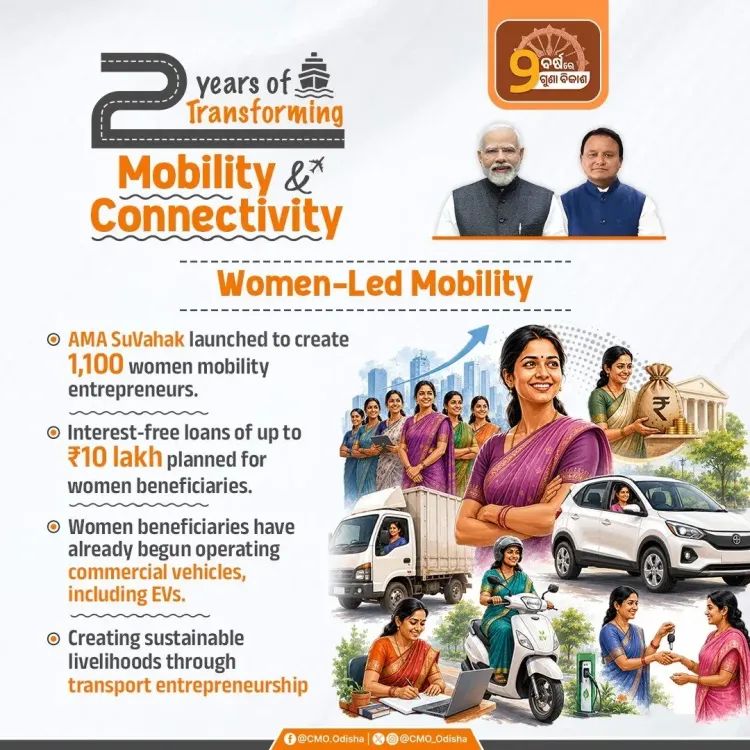
The Chief Minister's Office of Odisha on 18 July 2026 announced a government drive to promote women-led transport enterprises, framing women as active partners in the state's commercial mobility sector to build sustainable livelihoods and financial independence.
Key Takeaways
The Chief Minister's Office of Odisha on 18 July 2026 highlighted the state's push to make women active partners in transport-led economic growth.
The government is promoting women-led transport enterprises and greater female participation in commercial mobility.
The stated goals include creating sustainable livelihood opportunities and strengthening financial independence for women.
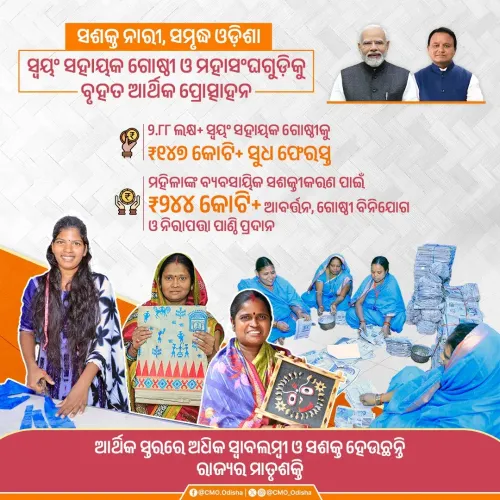
Mission Shakti , launched in 2001 , provides the foundational self-help group infrastructure on which newer transport-sector initiatives can build.
The post tagged PMO India , signalling intent to align state efforts with national priorities on women-led development.
Concrete follow-through will be tracked through budget allocations, scheme notifications, and targets for women-owned transport units.
The Chief Minister's Office of Odisha on Saturday, 18 July 2026, highlighted the state government's drive to make women active partners in Odisha's transport-led economic growth, signalling a deliberate policy push toward gender-inclusive commercial mobility and sustainable livelihoods.
Context
The post by the Chief Minister's Office of Odisha stated that the government is 'promoting women-led transport enterprises and enabling greater participation in commercial mobility' to create 'sustainable livelihood opportunities' and strengthen 'financial independence.' The message was also directed at PMO India, underscoring the state's intent to align its initiatives with national priorities on women-led development.
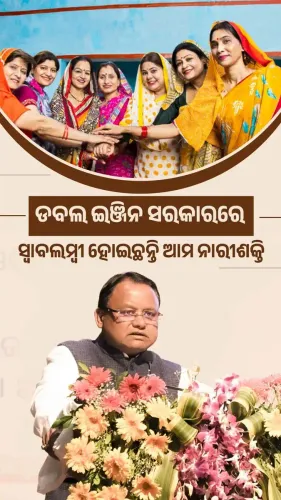
The communication frames women not merely as beneficiaries of welfare schemes but as active economic agents — those who, in the post's own words, 'drive both progress and prosperity.' This marks a rhetorical and policy shift from passive inclusion to enterprise-led participation in a sector historically dominated by men.
Policy Backdrop
Odisha has a long institutional history of women's economic empowerment. The state launched Mission Shakti in 2001 as a flagship programme to organise women into self-help groups focused on micro-enterprise and financial inclusion. Over more than two decades, the programme has built a grassroots infrastructure of women's collectives across the state that can now serve as a foundation for scaling into higher-value sectors such as transport.
Across India, multiple states have since the mid-2010s expanded women's access to commercial transport through targeted enterprise support, licensing reforms, and dedicated financing windows. These measures form part of wider gender-mainstreaming efforts in infrastructure and livelihoods, often running in parallel with central government schemes on urban mobility, rural connectivity, and self-employment.
Stakeholders and Impact
The primary beneficiaries of this policy direction are women entrepreneurs and female transport workers in Odisha — a group that has historically faced structural barriers including limited access to vehicle financing, licensing pathways, and social acceptance in commercial driving and fleet ownership. By positioning the government as an enabler of women-led transport enterprises, the state signals intent to address these barriers through institutional support.
The tagging of PMO India in the post is also significant for stakeholders watching convergence between state and central programmes. It suggests the Odisha government is seeking visibility and possible integration with national-level schemes on financial inclusion and mobility, which could unlock additional resource flows for women in this sector.
What's Next
Observers will watch for concrete follow-through in the form of state budget allocations, new targets for women-owned transport units, or formal scheme notifications that operationalise the vision outlined in this communication. Integration with central government programmes on urban and rural mobility would be a key marker of how substantive this push becomes beyond the policy statement.
As Odisha continues to expand its transport infrastructure, the degree to which women-led enterprises are embedded into procurement, licensing, and financing frameworks will determine whether this represents a structural shift or a broader aspirational signal.
Point of View
The state is consciously situating a sub-national initiative within the larger arc of India's gender-mainstreaming agenda, seeking both political visibility and potential resource convergence. The invocation of commercial mobility — a sector with real barriers of financing, licensing, and social norms — raises the stakes beyond rhetoric: the credibility of this push will rest on measurable outcomes such as fleet ownership numbers and enterprise registrations. Odisha's two-decade-old Mission Shakti ecosystem gives the state a genuine institutional head start, but translating that into transport-sector participation will require targeted policy instruments beyond the statement itself.
NationPress
17 Oct 2026
Frequently Asked Questions
What is Odisha's government doing to support women in transport?
The Odisha government is promoting women-led transport enterprises and enabling greater female participation in commercial mobility to create sustainable livelihoods and financial independence, as stated by the Chief Minister's Office on 18 July 2026.
What is Mission Shakti in Odisha?
Mission Shakti is Odisha's flagship women empowerment programme launched in 2001 that organises women into self-help groups for micro-enterprise and financial inclusion, forming the institutional base for newer livelihood initiatives.
Why did the Odisha CMO tag PMO India in the transport post?
Tagging PMO India signals the Odisha government's intent to align its women-in-transport initiative with national priorities on women-led development and potentially integrate with central government schemes on mobility and self-employment.
How does women's participation in transport help Odisha's economy?
Women-led transport enterprises contribute to a more inclusive economy by creating sustainable livelihood opportunities, strengthening financial independence for women, and broadening participation in a sector historically dominated by men.
Which Indian states have promoted women in commercial transport?
Multiple Indian states have expanded women's entry into commercial transport since the mid-2010s through enterprise support, licensing reforms, and financing windows, as part of broader gender-mainstreaming efforts in infrastructure and livelihoods.