CM Majhi Reaffirms Odisha's Push for Women's Economic Empowerment
Synopsis
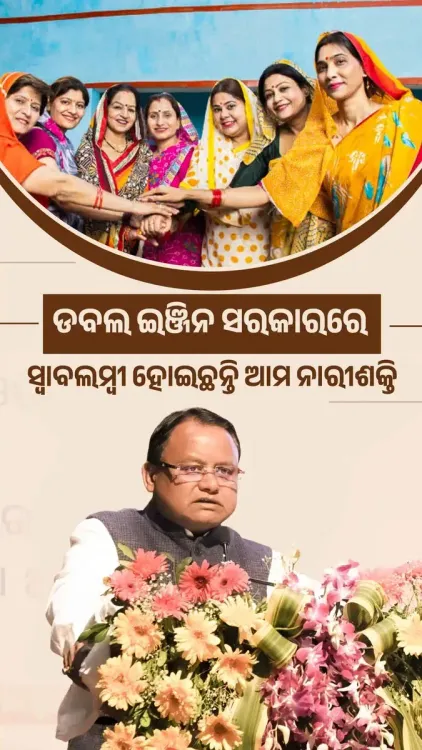
Odisha Chief Minister Mohan Charan Majhi on 4 July 2026 reaffirmed his government's resolve to make women self-reliant entrepreneurs rather than mere beneficiaries, framing women's empowerment as the cornerstone of a prosperous and developed Odisha.
Key Takeaways
CM Mohan Charan Majhi posted in Odia on 4 July 2026 declaring women's empowerment the 'greatest strength of a prosperous Odisha.' The government's stated goal is to convert women from welfare beneficiaries into entrepreneurs and self-reliant individuals .
Mission Shakti , launched in 2001 , remains Odisha's primary institutional vehicle for organising women's self-help groups and livelihood support.
The BJP took power in Odisha in June 2024 , succeeding the BJD after 24 years, and has maintained a women-centric development focus.
Key stakeholders include rural women, SHG members, and women entrepreneurs across Odisha's districts.
Budget allocations and Mission Shakti expansion in the next assembly session will test the government's commitment to this vision.
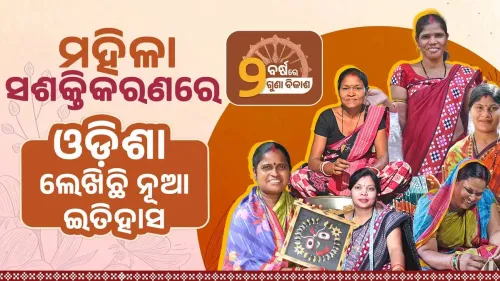
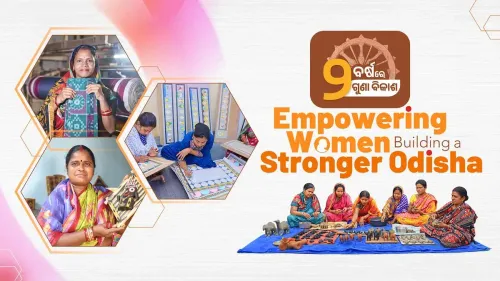
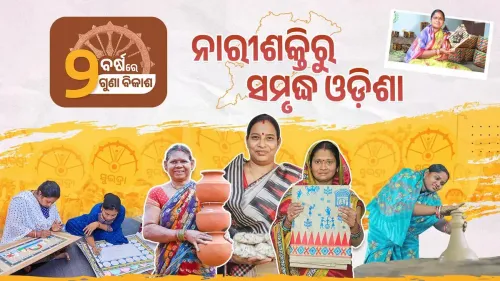
Odisha Chief Minister Mohan Charan Majhi on Saturday, 4 July 2026, reaffirmed his government's commitment to transforming women from welfare beneficiaries into self-reliant entrepreneurs, calling women's empowerment the 'greatest strength of a prosperous Odisha.'
Context
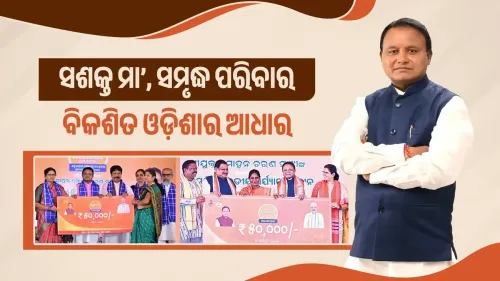
Posting in Odia on X, CM Majhi stated: 'Mahila sashaktikaran hi samruddha Odiśāra sabuṭhāru baḍa śakti' — 'Women's empowerment is the greatest strength of a prosperous Odisha.' He declared that his government is working with firm resolve not merely to make women beneficiaries of schemes, but to turn them into entrepreneurs and self-reliant forces. The post concluded with a vision of 'empowered women, prosperous families, and a developed Odisha' as a journey that will continue uninterrupted.
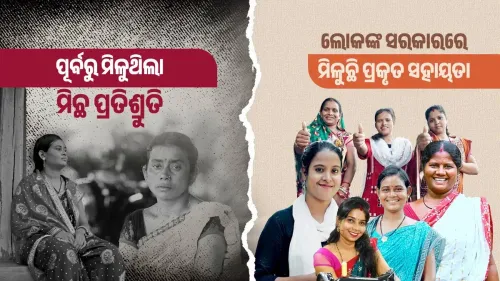
The statement reflects a deliberate shift in framing: from women as passive recipients of state support to active economic agents. CM Majhi specifically invoked every 'mother and sister,' linking individual success stories to the broader identity of Odisha's development.
Policy Backdrop
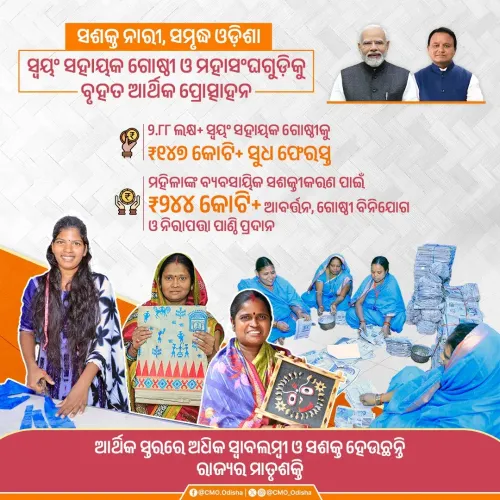
Odisha's institutional foundation for women's economic participation dates to 2001, when the state launched Mission Shakti — a flagship programme designed to organise women into self-help groups (SHGs) and provide them with livelihood support and social development resources. Over more than two decades, Mission Shakti has grown into one of the largest SHG networks in eastern India, touching rural women across the state's districts.
When the BJP came to power in Odisha in June 2024, ending 24 years of BJD rule, the new administration signalled continuity on women-centric welfare while reorienting messaging toward entrepreneurship and economic self-reliance. CM Majhi's post fits within that broader repositioning — emphasising agency over assistance.
Across Indian states, governments of varying political affiliations have anchored development narratives around women's SHGs since the early 2000s, reflecting a national consensus that female economic participation is a reliable indicator of household and community prosperity.
Stakeholders and Impact
The primary stakeholders are Odisha's women self-help group members, rural women entrepreneurs, and households dependent on SHG-linked income. Any policy expansion tied to this vision — whether through enhanced credit linkages, training programmes, or market access initiatives — would directly affect these groups.
Women entrepreneurs who have graduated from SHG membership to running small enterprises stand to gain most if the government translates this rhetorical commitment into budget allocations or programme expansions. Civil society organisations active in rural Odisha have long tracked Mission Shakti disbursements as a proxy for the state's seriousness on gender equity.
What's Next
Observers will watch the Odisha state assembly's next budget session for concrete allocations toward Mission Shakti expansion or new entrepreneurship-linked schemes for women. Review meetings on SHG performance and credit linkage targets are also expected to signal how the government intends to operationalise the Chief Minister's stated resolve.
If CM Majhi's administration backs this vision with measurable programme milestones, Odisha could deepen its position as a benchmark state for women-led economic development in eastern India.
Point of View
The BJP-led Odisha government is attempting to distinguish its development brand from the BJD's two-decade paternalistic model. The language of self-reliance aligns closely with the broader BJP national narrative of 'Atmanirbhar Bharat,' suggesting a deliberate ideological alignment between state and central messaging. However, the post's impact will ultimately be judged against programme budgets and ground-level SHG outcomes, not rhetoric alone. Until concrete policy announcements follow, this statement is best read as political positioning ahead of the next legislative session.
NationPress
3 Oct 2026
Frequently Asked Questions
What did Odisha CM Mohan Majhi say about women's empowerment?
CM Mohan Charan Majhi stated on 4 July 2026 that women's empowerment is the greatest strength of a prosperous Odisha, and that his government is committed to making women entrepreneurs and self-reliant forces rather than mere beneficiaries of welfare schemes.
What is Mission Shakti in Odisha?
Mission Shakti is an Odisha government programme launched in 2001 to organise women into self-help groups and provide livelihood support and social development resources; it is one of the largest SHG networks in eastern India.
When did BJP come to power in Odisha?
The BJP came to power in Odisha in June 2024, ending 24 years of BJD rule, with Mohan Charan Majhi becoming Chief Minister.
How does Odisha plan to support women entrepreneurs?
The Odisha government has signalled intent to move beyond traditional welfare transfers toward entrepreneurship support, credit linkages, and self-help group expansion under Mission Shakti, though specific new scheme announcements are awaited.
What is the BJP's approach to women's welfare in Odisha?
The BJP-led Odisha government under CM Majhi has framed women's economic self-reliance as central to the state's development, aligning with the national 'Atmanirbhar Bharat' narrative while building on existing structures like Mission Shakti.