Sonam Wangchuk hospitalised on Day 21 of hunger strike; Mamata raises alarm
Synopsis
Sonam Wangchuk's 21-day hunger strike over NEET-UG irregularities landed him in Safdarjung Hospital — and drew a sharp public rebuke from Mamata Banerjee, who accused the Centre of treating peaceful dissent as a threat. With the CJP's 'Chalo Sansad' march set for 20 July, the protest is far from over.
Key Takeaways
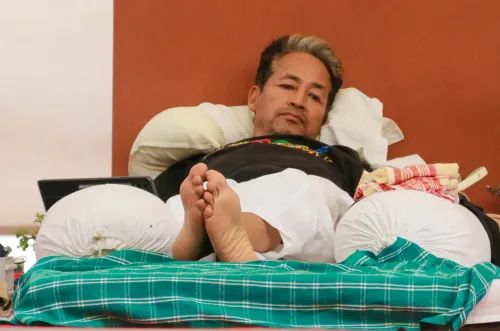
Sonam Wangchuk was shifted to Safdarjung Hospital on 18 July after his health deteriorated on Day 21 of his indefinite hunger strike.
The strike, which began on 28 June , demands the resignation of Union Education Minister Dharmendra Pradhan over alleged NEET-UG irregularities.
Mamata Banerjee called for Wangchuk to be moved to a private hospital and accused the Centre of 'suppressing peaceful protests'.
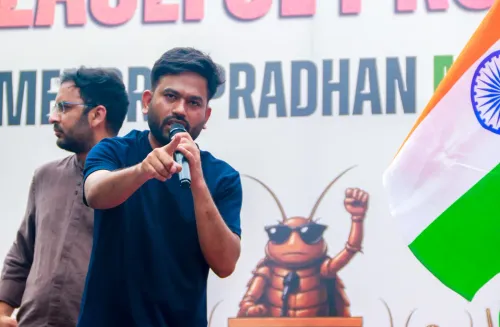
CJP founder Abhijeet Dipke announced his own indefinite fast following Wangchuk's hospitalisation.
The 'Chalo Sansad' march planned for 20 July will go ahead as scheduled, the CJP confirmed.
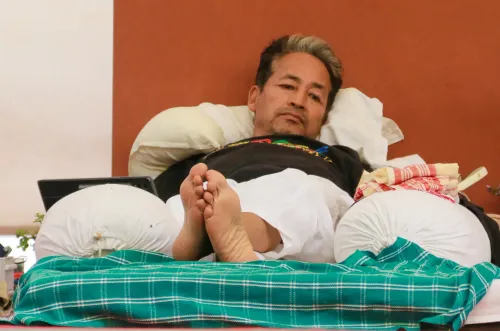
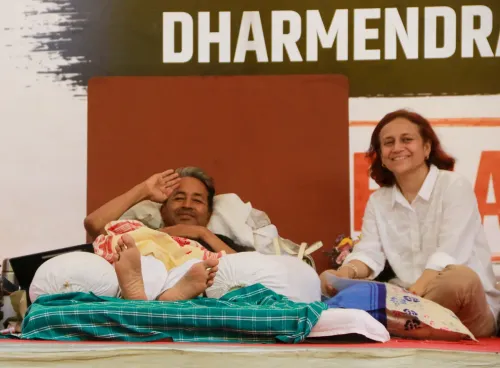
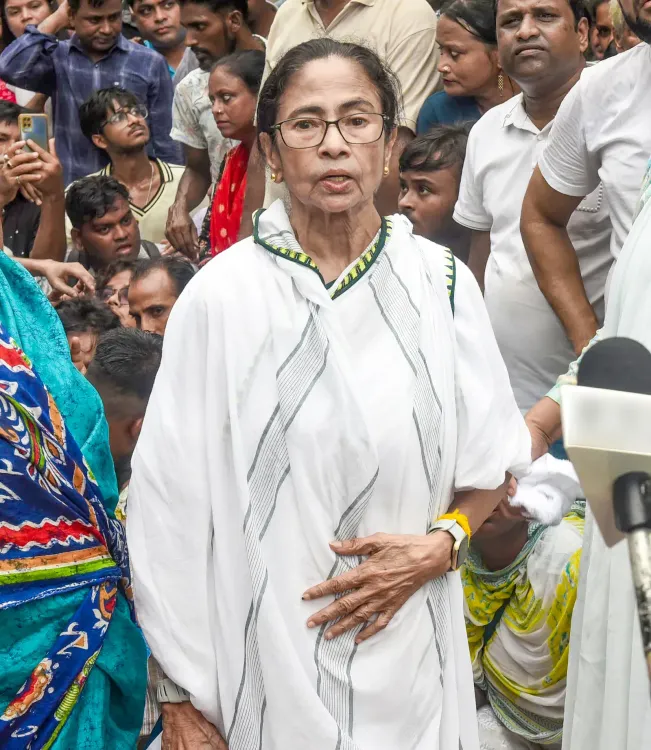
Climate activist and educationist Sonam Wangchuk was shifted to Safdarjung Hospital in New Delhi on Saturday, 18 July after his health deteriorated on the 21st day of his indefinite hunger strike at Jantar Mantar. The development prompted All India Trinamool Congress (TMC) chief and former West Bengal Chief Minister Mamata Banerjee to express serious concern and call for him to be moved to a private facility.
Why Wangchuk Is on Hunger Strike
Wangchuk, the Ladakh-based social activist and innovator, began his indefinite fast on 28 June after the Centre failed to respond to demands he had set a deadline for on 27 June. His strike is tied to the Cockroach Janta Party (CJP)'s protest movement, which launched at Jantar Mantar on 20 June demanding the resignation of Union Education Minister Dharmendra Pradhan over alleged irregularities in the NEET-UG examination and the broader paper leak controversy. Wangchuk was part of the movement from its inception.
What Mamata Banerjee Said
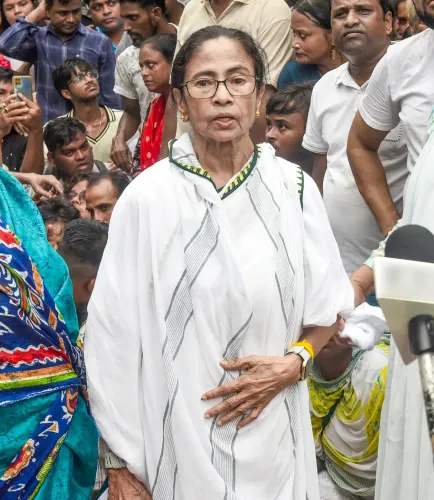
Banerjee voiced her concern in a post on X, stating that Wangchuk's appeal for dialogue had been met with weeks of silence. 'Deeply concerned about Sonam Wangchuk's health and well-being. He asked only for dialogue, yet his appeal has been met with silence for weeks. In a democracy, peaceful dissent deserves engagement, not silence. His voice has been ignored, just as the voices of countless young Indians continue to be ignored,' she said.
Reacting further to his hospitalisation, Banerjee argued he should be permitted to shift to a private hospital, with citizens bearing the cost if necessary. 'A government that treats dissent as a threat instead of a democratic obligation cannot demand trust while evading accountability,' she added.
CJP's Response and the Chalo Sansad March
Following Wangchuk's hospitalisation, CJP founder Abhijeet Dipke announced on X that he had begun his own indefinite fast in solidarity. The organisation confirmed its planned 'Chalo Sansad' march on 20 July will proceed as scheduled. Dipke had earlier expressed gratitude toward Banerjee after she telephoned him on 14 July to enquire about Wangchuk's condition and extended her support to the movement.
Background and Broader Context
The NEET-UG controversy has been one of the most politically charged education disputes in recent years, with allegations of paper leaks triggering student protests across multiple states. Wangchuk — widely known for his work in Ladakh on sustainable innovation — lent the protest significant public visibility. This is at least the second time Banerjee has publicly backed the CJP's campaign, signalling the issue's traction beyond student circles. The Centre has not publicly responded to Wangchuk's demands as of 18 July.
With the 'Chalo Sansad' march approaching and Wangchuk's health under watch, pressure on the government is likely to intensify in the coming days.
Point of View
Or whether the movement peaks and dissipates without a concrete concession from the Centre.
NationPress
16 Oct 2026
Frequently Asked Questions
Why is Sonam Wangchuk on a hunger strike?
Wangchuk began an indefinite hunger strike on 28 June 2024 demanding accountability from the central government over alleged NEET-UG examination irregularities and the resignation of Union Education Minister Dharmendra Pradhan. He had set a 27 June deadline for a positive response from the Centre and received none.
Where was Sonam Wangchuk hospitalised?
Wangchuk was shifted to Safdarjung Hospital in New Delhi on 18 July, the 21st day of his hunger strike, after his health deteriorated at the protest site in Jantar Mantar.
What did Mamata Banerjee say about Wangchuk's hospitalisation?
Banerjee expressed deep concern on X, saying Wangchuk's appeal for dialogue had been met with weeks of silence. She also demanded he be allowed to shift to a private hospital and criticised the government for treating peaceful dissent as a threat rather than a democratic obligation.
What is the Cockroach Janta Party (CJP) and what is it demanding?
The CJP is an activist organisation founded by Abhijeet Dipke that launched a protest at Delhi's Jantar Mantar on 20 June demanding the resignation of Education Minister Dharmendra Pradhan over the NEET paper leak controversy. It has planned a 'Chalo Sansad' march for 20 July, which it confirmed will proceed despite Wangchuk's hospitalisation.
Who is Sonam Wangchuk?
Sonam Wangchuk is a Ladakh-based social activist, climate advocate, and innovator widely known for his sustainable development work in the region. He joined the CJP's NEET protest movement from its inception on 20 June and has been on hunger strike since 28 June.