Mamata Backs Sonam Wangchuk, Demands Dialogue
Synopsis
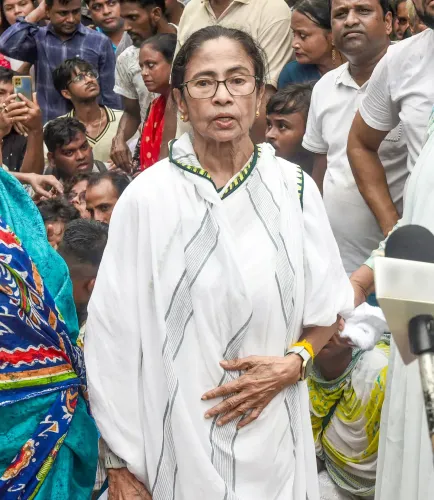
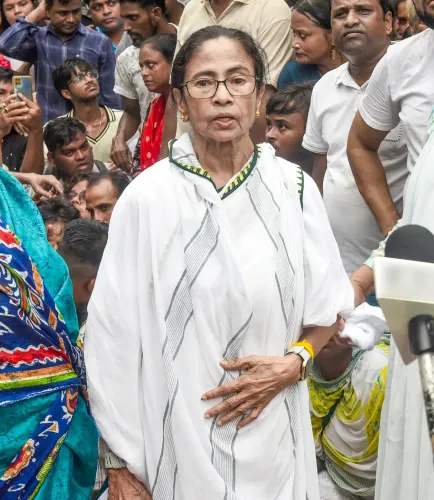
West Bengal Chief Minister Mamata Banerjee on 18 July 2026 publicly backed Ladakhi activist Sonam Wangchuk, urging the Centre to break its silence, allow his hospital transfer, and honour its democratic obligation to engage with peaceful dissent over Ladakh's statehood demands.
Key Takeaways
West Bengal Chief Minister Mamata Banerjee on 18 July 2026 publicly backed Sonam Wangchuk , citing concern over his health and well-being.
Banerjee stated Wangchuk's appeal for dialogue had been 'met with silence for weeks' and called this a failure of democratic obligation.
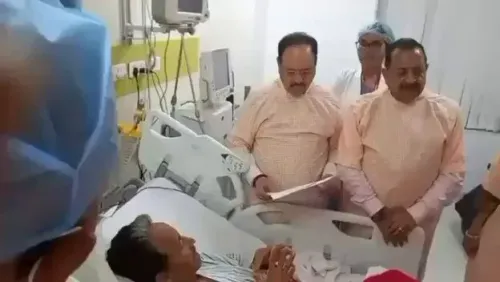
She demanded Wangchuk be allowed to transfer to a private hospital, with citizens permitted to bear the cost.
Wangchuk's activism centres on Ladakh's demands for statehood and Sixth Schedule protections, rooted in the 2019 abrogation of Article 370 .
Banerjee's post drew a broader parallel, saying the voices of 'countless young Indians continue to be ignored' by the government.
The Ministry of Home Affairs has yet to publicly respond to either Wangchuk's latest appeal or Banerjee's statement.
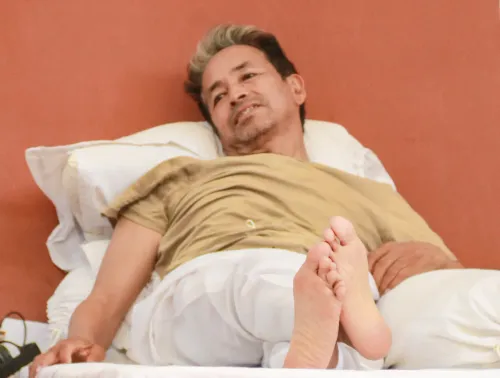
West Bengal Chief Minister Mamata Banerjee on Saturday, 18 July 2026, expressed deep concern over the health and well-being of Ladakhi activist Sonam Wangchuk, calling on the central government to engage with his demands rather than meet them with silence. Banerjee urged that Wangchuk be allowed to shift to a private hospital, with citizens free to bear the cost if necessary.
Context
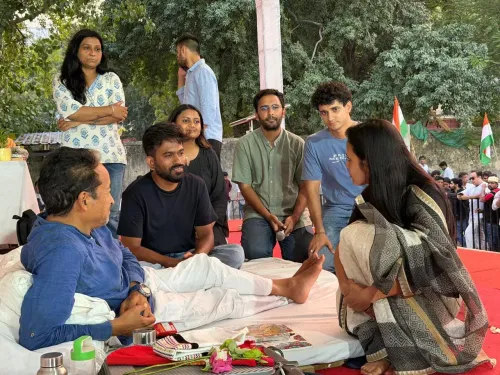
Sonam Wangchuk, the Ladakhi engineer and environmental activist widely known for pioneering ice stupas and championing the cause of Ladakh's statehood, has been on a fast or protest action for weeks, according to Banerjee's post. His central demand has been dialogue with the Government of India — yet, as Banerjee wrote, 'his appeal has been met with silence for weeks.'
Banerjee's statement quoted directly: 'In a democracy, peaceful dissent deserves engagement, not silence.' She drew a parallel between Wangchuk's ignored voice and what she described as a broader pattern of young Indians being similarly disregarded by those in power.
Policy Backdrop
Wangchuk's activism is rooted in the political transformation of 2019, when the abrogation of Article 370 bifurcated the erstwhile state of Jammu and Kashmir, making Ladakh a Union Territory without a legislature. Since then, Ladakhi leaders and civil society have persistently demanded full statehood and inclusion under the Sixth Schedule of the Constitution, which would afford tribal communities greater protections over land, jobs, and culture.
Wangchuk has participated in multiple hunger strikes and long marches to press these demands. The Ministry of Home Affairs, which oversees Union Territories, has held intermittent talks with Ladakhi representatives, but a durable resolution on statehood and Sixth Schedule protections remains pending.
Stakeholders and Impact
Mamata Banerjee has a documented history of intervening on issues beyond West Bengal's borders — particularly those touching federalism, regional autonomy, and democratic space. Her post fits a pattern of opposition chief ministers using their platforms to amplify movements that challenge the centre's handling of constitutional and political dissent.
For Ladakhi activists and peaceful protesters, Banerjee's public backing adds a prominent voice to their cause at a moment when Wangchuk's physical condition has become a focal point. Her specific call — that citizens should be 'free to bear the cost' of shifting him to a private hospital — signals solidarity with both the activist and his supporters on the ground.
Banerjee's post ended with a pointed declaration: 'A government that treats dissent as a threat instead of a democratic obligation cannot demand trust while evading accountability.' The statement is directed squarely at the central government's posture toward the Ladakh movement.
What's Next
The immediate watch points are any official response from the Ministry of Home Affairs on Ladakh's pending demands, and updates on Wangchuk's medical condition and the possibility of a hospital transfer. If the centre continues to maintain silence, opposition solidarity — now publicly voiced by a sitting chief minister — could intensify pressure for a formal dialogue. The episode underscores a widening gap between the centre's handling of Union Territory governance and the democratic expectations of communities most directly affected by the 2019 reorganisation.
Point of View
She frames Wangchuk's case as symptomatic of a wider democratic deficit under the current central government. For an opposition chief minister, this is a low-cost, high-visibility move that reinforces her federalist credentials ahead of any national political realignment. The real test is whether such statements translate into coordinated opposition pressure or remain isolated gestures.
NationPress
16 Oct 2026
Frequently Asked Questions
Why is Mamata Banerjee speaking about Sonam Wangchuk?
Mamata Banerjee issued a public statement on 18 July 2026 expressing concern over Wangchuk's health and demanding the central government open a dialogue with him, calling silence toward peaceful dissent a democratic failure.
What is Sonam Wangchuk demanding from the government?
Wangchuk has been demanding that the Government of India grant Ladakh full statehood and include it under the Sixth Schedule of the Constitution, which would protect tribal communities' rights over land, jobs, and culture.
What happened to Ladakh after Article 370 was abrogated?
In 2019, the abrogation of Article 370 bifurcated Jammu and Kashmir; Ladakh became a Union Territory without a legislature, prompting sustained protests and demands for statehood and constitutional safeguards.
What did Mamata Banerjee say about Wangchuk's hospitalisation?
Banerjee called for Wangchuk to be allowed to shift to a private hospital, adding that citizens should be free to bear the cost if needed — a statement signalling public solidarity with the activist.
Has the central government responded to Ladakh's statehood demands?
The Ministry of Home Affairs has held intermittent talks with Ladakhi representatives since 2019, but a resolution on statehood and Sixth Schedule inclusion remains pending as of July 2026.