Arjun Vahini launched in Bengal for NDRF-style disaster response
Synopsis
West Bengal has launched Arjun Vahini — a 200-strong, NDRF-modelled disaster response squad staffed by retired soldiers and Agniveers — weeks after a warehouse collapse in Taratala killed 16 people. The move signals a structural shift in how the state plans to handle localised disasters, and doubles as a pointed political rebuke of the previous TMC government's record on building safety.
Key Takeaways
West Bengal CM Suvendu Adhikari launched Arjun Vahini on 1 September , a state disaster management squad modelled on the NDRF .
The force begins with 200 personnel — 100 in Kolkata, 50 in hill districts, 50 in the Sundarbans ( South and North 24 Parganas ).
Squad leaders earn ₹40,000/month ; members earn ₹25,000/month , with a 3% annual increment .
Compensation: ₹10 lakh for death or serious injury; ₹5 lakh for disability.
Recruitment draws from retired soldiers and Agniveers ; NDRF-grade equipment to follow in phases.
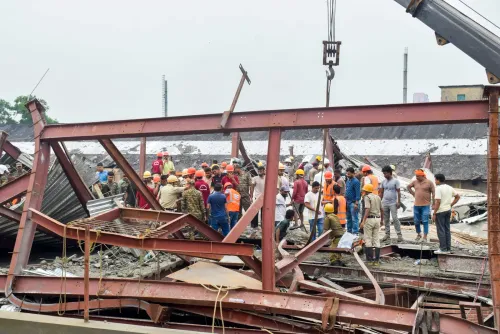
The squad was conceived after a Taratala warehouse collapse in June killed 16 people .
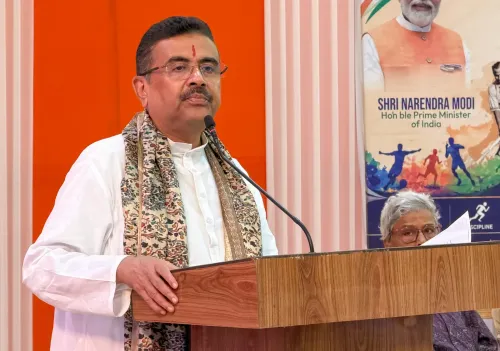
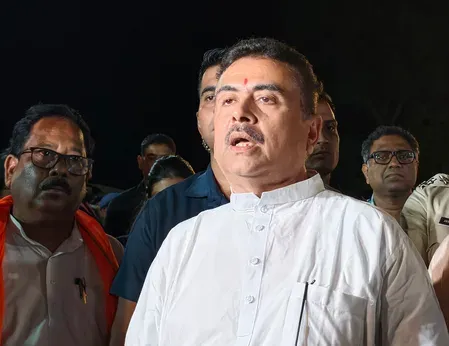
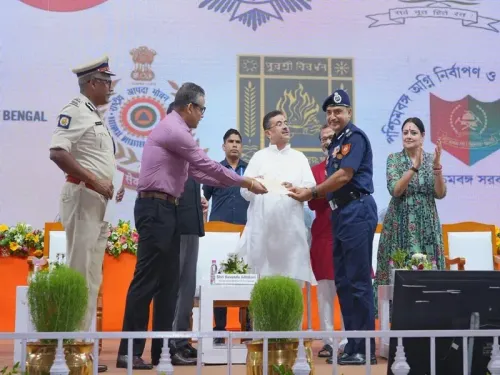
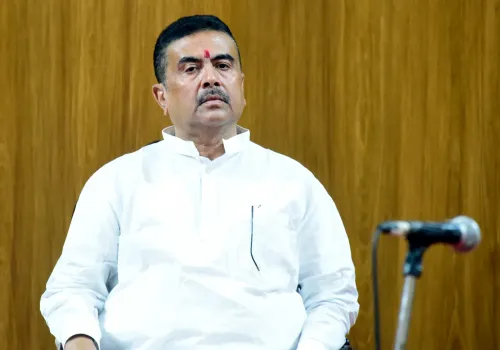
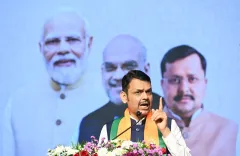
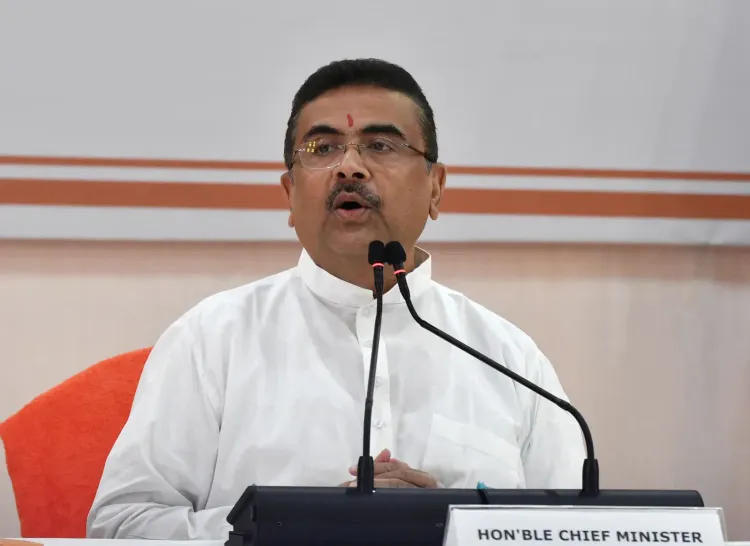
West Bengal Chief Minister Suvendu Adhikari on Tuesday, 1 September launched 'Arjun Vahini', a specialised state disaster management squad modelled on the National Disaster Response Force (NDRF), beginning operations with 200 personnel deployed across Kolkata, the hill districts, and the cyclone-prone Sundarbans region.
Deployment and Structure
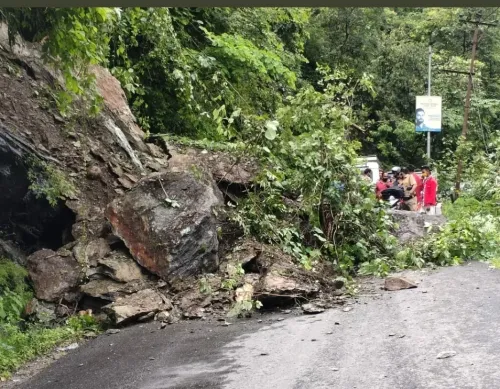
Of the initial 200-member force, 100 will be stationed in Kolkata, 50 in the hill districts, and the remaining 50 in the Sundarbans belt spanning South 24 Parganas and North 24 Parganas — areas historically vulnerable to cyclones and flooding. Adhikari confirmed that the squad will be expanded substantially in the future.
The force will be recruited primarily from retired soldiers and Agniveers, and will eventually be equipped with technology and tools comparable to those used by the NDRF, according to the Chief Minister.
Compensation and Allowances
Squad leaders will receive a monthly allowance of ₹40,000, while other members will draw ₹25,000 per month, with an annual increment of 3%. Given the hazardous nature of their work, personnel will be entitled to a compensation of ₹10 lakh in the event of serious injury or death, and ₹5 lakh in cases of disability.
The Trigger: Taratala Warehouse Collapse
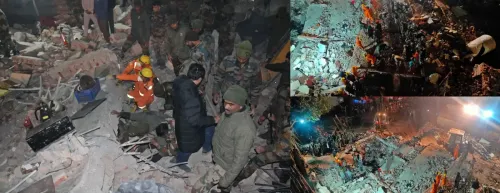
The decision to establish Arjun Vahini was taken following the collapse of an under-construction warehouse at Taratala in Kolkata in June this year, which claimed 16 lives. The tragedy exposed gaps in the state's localised disaster response capacity and prompted the government to act on building a dedicated force comparable to the NDRF.
Political Dimension
Chief Minister Adhikari used the launch to sharply criticise the previous Mamata Banerjee-led All India Trinamool Congress (TMC) government, alleging that it neglected disaster preparedness while permitting institutional corruption in real estate development. He claimed that building plans were approved without adequate inspections and that wetlands were encroached upon for illegal construction — practices he argued had directly contributed to preventable disasters.
The TMC has not yet formally responded to these allegations.
What Comes Next
With the force now operational at 200 personnel, the state government is expected to outline a phased expansion roadmap and procurement plan for NDRF-grade equipment. How quickly Arjun Vahini can scale — and whether its compensation structure attracts sufficient Agniveer recruits — will determine its real-world effectiveness in Bengal's disaster-prone geography.
Point of View
From Sundarbans cyclones to urban structural failures, demands a dedicated sub-NDRF layer. But the political framing risks overshadowing the operational substance: blaming the TMC for building collapses plays well at a launch event but does little to address the regulatory enforcement failures that persist regardless of which party is in power. The real measure will be whether the Agniveer recruitment pipeline delivers trained responders at scale, and whether equipment procurement keeps pace with the expansion promise. A 200-person force for a state of 100 million is a beginning, not a solution.
NationPress
1 Sept 2026
Frequently Asked Questions
What is Arjun Vahini launched by West Bengal?
Arjun Vahini is a specialised state disaster management squad launched by West Bengal Chief Minister Suvendu Adhikari on 1 September. It is modelled on the National Disaster Response Force (NDRF) and begins with 200 personnel deployed across Kolkata, the hill districts, and the Sundarbans region.
Why was Arjun Vahini formed?
The squad was formed following the collapse of an under-construction warehouse at Taratala in Kolkata in June, which killed 16 people. The incident highlighted the need for a dedicated state-level disaster response force capable of rapid localised deployment.
Who can join Arjun Vahini and what are the pay scales?
The force will be recruited primarily from retired soldiers and Agniveers. Squad leaders will receive ₹40,000 per month and members ₹25,000 per month, with a 3% annual increment. Compensation of ₹10 lakh is provided for death or serious injury, and ₹5 lakh for disability.
How will Arjun Vahini compare to the NDRF?
Chief Minister Adhikari has said Arjun Vahini will eventually be equipped with technology and tools comparable to those of the NDRF. However, it currently starts with 200 personnel and will scale up in phases as equipment and funding are arranged.
Which areas of West Bengal will Arjun Vahini cover?
The initial deployment covers three zones: 100 personnel in Kolkata, 50 in the hill districts, and 50 in the cyclone-prone Sundarbans area across South 24 Parganas and North 24 Parganas.