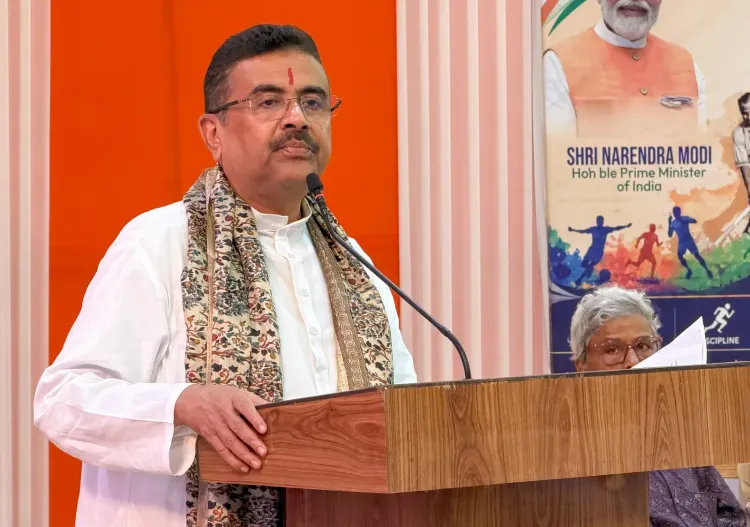
West Bengal CM Adhikari chairs dengue crisis meet at Swasthya Bhavan
Synopsis
With dengue cases rising across five high-risk districts and frontline health workers redeployed to Ayushman Bharat, West Bengal CM Suvendu Adhikari has stepped in personally — pulling five departments and 21 civic bodies into a single command structure. The meeting at Swasthya Bhavan signals that the state's dengue response has moved from departmental routine to a Chief Minister-level emergency.
Key Takeaways
West Bengal CM Suvendu Adhikari chaired a dengue crisis meeting at Swasthya Bhavan, Salt Lake on 1 September at 5 pm .
Officials from five departments — health, public works, panchayat affairs, municipal affairs, and irrigation — attended alongside nodal officers from 21 urban civic bodies .
The state has flagged five districts as most dengue-prone: Kolkata, Howrah, North 24 Parganas, South 24 Parganas , and Murshidabad .
Health workers previously handling mosquito larvae control have been redeployed to the Ayushman Bharat rollout, weakening frontline capacity.
The entire coordinated exercise will be supervised directly by the Chief Minister's office , with the health department as the nodal agency.
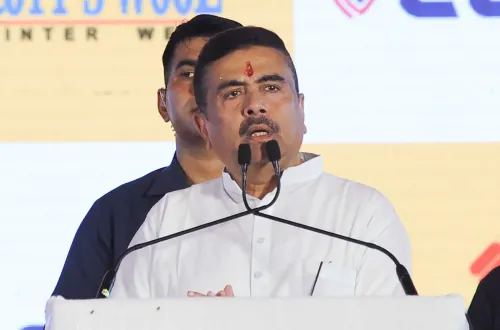
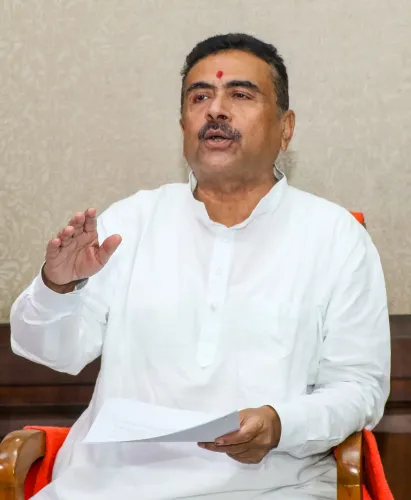
West Bengal Chief Minister Suvendu Adhikari on 1 September convened a high-level inter-departmental meeting at Swasthya Bhavan, the state health department headquarters in Salt Lake, Kolkata, to finalise a coordinated strategy against the worsening dengue crisis gripping the state. The meeting, scheduled to begin at 5 pm, brought together ministers and senior bureaucrats from five departments to build a unified response framework.
Key Departments at the Table
The meeting was attended by top officials from the health, public works, panchayat affairs and rural development, municipal affairs and urban development, and irrigation departments. Nodal officers from 21 urban civic bodies across the state were also summoned. The state health department will serve as the nodal agency overseeing the entire exercise, which will function under the direct supervision of the Chief Minister's office.
Why a Multi-Department Approach
'The Chief Minister is of the opinion that although the primary task of combatting the crisis is of the state health department, the said department alone might not be able to combat the current crisis unless it works in coordination with the other four departments,' a senior officer from the state secretariat said. Cleanliness drives already under way in Kolkata and its urban suburbs are now being extended to rural belts, with the irrigation and panchayat affairs and rural development departments tasked to lead that push.
Structural Challenges Complicating the Response
Officials acknowledged significant operational hurdles. The boards of most urban civic bodies in the state are currently non-functional. Health workers who previously handled mosquito larvae control have been redeployed for the rollout of the Ayushman Bharat project, thinning frontline capacity. Doctors at health centres, already stretched, have been unable to give consistent attention to dengue-containment efforts — factors that have made the Chief Minister's personal intervention necessary, according to officials.
Five Districts on High Alert
The state health department has identified five districts as the most dengue-prone: Kolkata, Howrah, North 24 Parganas, South 24 Parganas, and Murshidabad. Continued weather unpredictability and erratic rainfall have aggravated conditions, with dengue cases and related deaths rising in several of these districts. The decision to hold the meeting at Swasthya Bhavan rather than the state secretariat at Nabanna was itself a signal of the health department's lead role in the response.
What Comes Next
The blueprint finalised at the meeting is expected to assign specific responsibilities to each department, with progress monitored directly by the Chief Minister's office. Whether the coordinated framework can overcome the current staffing and civic-body gaps will determine how quickly the state can bring the outbreak under control.
Point of View
Partly by its own policy choices. Redeploying mosquito-control workers to Ayushman Bharat implementation may have been an administrative convenience, but it has left a visible gap at the worst possible time. The five districts on alert include some of West Bengal's most densely populated urban corridors, where stagnant water and infrastructure gaps make containment structurally difficult. A coordinated blueprint is necessary, but the real test is whether civic bodies — most of whose boards are non-functional — can execute on the ground without the governance scaffolding that normally drives such drives.
NationPress
16 Oct 2026
Frequently Asked Questions
Why did West Bengal CM Suvendu Adhikari call a dengue crisis meeting?
Dengue cases and related deaths have been rising across several districts in West Bengal, prompting CM Suvendu Adhikari to convene an emergency inter-departmental meeting on 1 September to build a coordinated containment strategy. The state health department alone was deemed insufficient to tackle the crisis without support from four other departments.
Which districts in West Bengal are most affected by dengue?
The state health department has identified five districts as the most dengue-prone: Kolkata, Howrah, North 24 Parganas, South 24 Parganas, and Murshidabad. Erratic rainfall and weather unpredictability have worsened conditions in these areas.
Which departments are involved in West Bengal's dengue response?
Five departments are part of the coordinated response: health, public works, panchayat affairs and rural development, municipal affairs and urban development, and irrigation. The health department will act as the nodal agency, with the exercise supervised by the Chief Minister's office.
Why are urban civic bodies a concern in the dengue fight?
The boards of most urban civic bodies in West Bengal are currently non-functional, limiting their capacity to drive cleanliness and anti-larval drives independently. Nodal officers from 21 civic bodies were called to the meeting to fill this coordination gap.
How has the Ayushman Bharat rollout affected dengue control efforts?
Health workers who were previously deployed for mosquito larvae control have been reassigned to implement the Ayushman Bharat project in West Bengal. This redeployment has reduced frontline capacity for dengue containment at a time when cases are rising.