CM Bhagwant Mann Holds Lok Milni in Tarn Taran's Sabhran Village
Synopsis
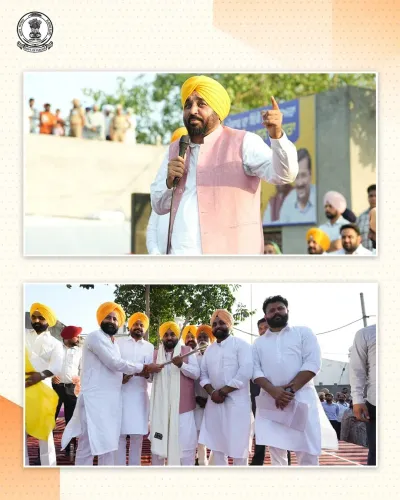
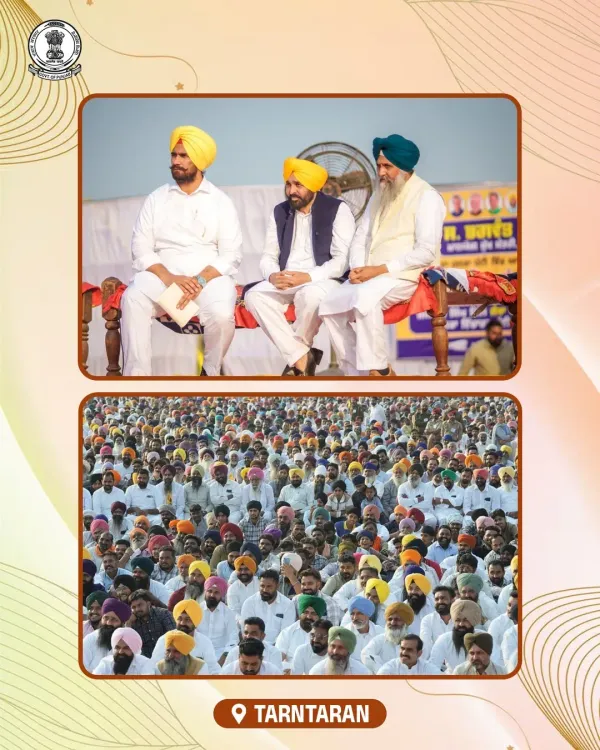
Chief Minister Bhagwant Singh Mann held a Lok Milni at the old grain market in Sabhran village, Tarn Taran, on November 16, 2026, directly engaging residents on their grievances and informing them of ongoing and planned development works by the Punjab Government.
Key Takeaways
CM Bhagwant Singh Mann conducted a Lok Milni at the old grain market in Sabhran village, Tarn Taran on November 16, 2026 .
The session involved direct two-way dialogue: Mann heard residents' grievances and demands firsthand.
He also briefed residents on development works undertaken by the Punjab Government and future initiatives.
Tarn Taran is an agricultural border district where grain markets form the economic backbone of rural life.
The Lok Milni format has been a regular feature of Mann's outreach since his March 2022 swearing-in under the AAP administration.
Follow-up action on specific demands raised at Sabhran will be the key measure of the session's impact.
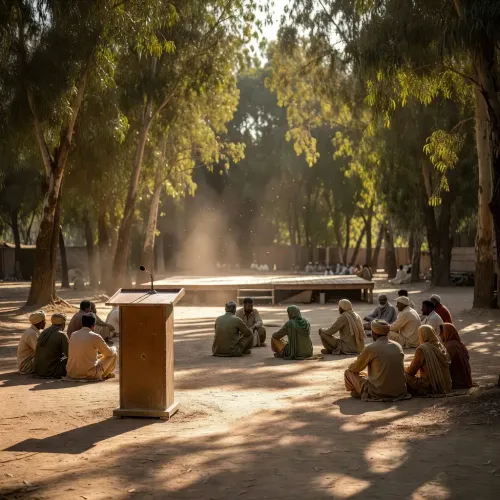
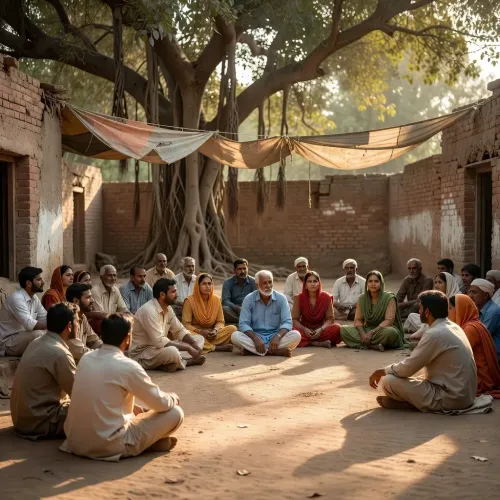
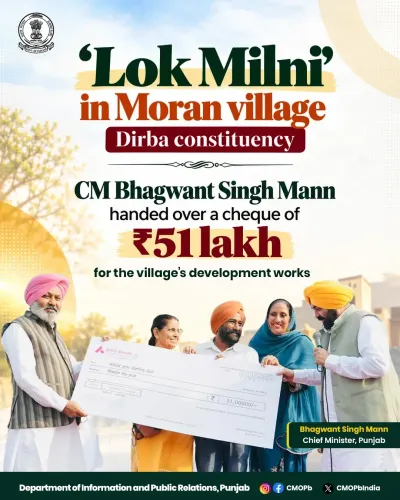
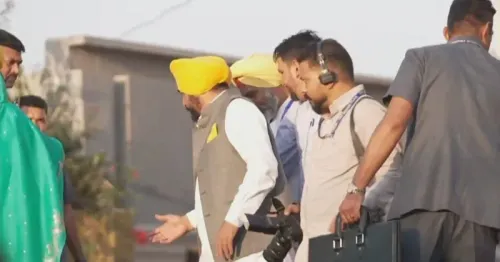
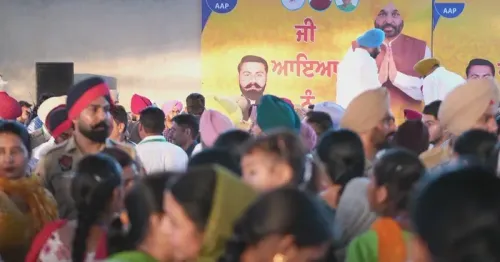
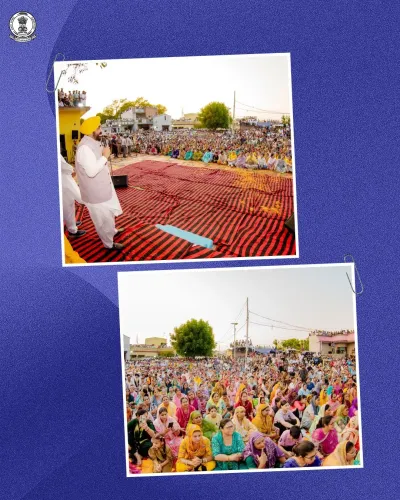
At the old grain market of Sabhran village in Tarn Taran district, Punjab Chief Minister Bhagwant Singh Mann sat face-to-face with residents on Monday, November 16, 2026 — listening to their grievances, fielding their demands, and laying out what his government has built and plans to build next.
A grain market turned town hall
The Lok Milni (literally, 'meeting of the people') format has become a signature practice of the AAP-led Punjab government since CM Mann took office in March 2022. Rather than convening constituents in a formal secretariat hall, Mann brings the administration to the district — this time to the dusty, familiar ground of an old dana mandi (grain market) in Sabhran, a village that sits squarely in the agricultural heartland of Tarn Taran, a border district that shares its eastern flank with Pakistan.
The Chief Minister's Office confirmed that Mann 'interacted with the people and listened to their grievances and demands,' and also 'informed the residents about the development works undertaken by the Punjab Government and its future initiatives.' The session combined accountability with outreach — residents speaking up, the government answering back.
Why Tarn Taran, and why a grain market
Tarn Taran is one of Punjab's most agriculture-dependent districts, with grain markets at the centre of rural economic life. Holding a public interaction at the old dana mandi in Sabhran is a deliberate choice of terrain — these are spaces farmers and traders know intimately, stripped of bureaucratic distance. The symbolic weight is not accidental: the AAP administration has consistently framed its governance style around closing the gap between citizen and state.
Punjab governments across administrations have used public darbars and outreach sessions to manage rural concerns, but under Mann the cadence has been notably regular, with district-level Lok Milni events forming part of a systematic feedback loop between field-level reality and state-level policymaking.
What comes after Sabhran
The real measure of a Lok Milni is what happens next. Demands raised at these sessions — whether for road repairs, water supply fixes, or farm-support schemes — are watched to see if they translate into announced projects or budget allocations in subsequent district visits. Sabhran's turn at the table now feeds into that larger accountability chain.
For a border district already navigating the pressures of agriculture, rural employment, and proximity to a sensitive frontier, the Chief Minister's presence on the ground sends a signal that matters well beyond the headlines.
Point of View
The CM targets both the optics and the substance of rural engagement in a district where agrarian stress and border-proximity make governance visibility especially consequential. The pattern also serves a political function: regular, documented public contact reinforces the AAP narrative of a 'government at your door' in the run-up to future electoral cycles. Whether the demands raised in Sabhran produce measurable follow-through will determine whether the format retains credibility or calcifies into ceremony.
NationPress
16 Nov 2026
Frequently Asked Questions
What is a Lok Milni in Punjab?
A Lok Milni is a direct public interaction event where Punjab Chief Minister Bhagwant Singh Mann meets citizens at the district or village level to hear their grievances, answer questions, and share updates on government schemes and development works.
Where was the November 2026 Lok Milni held?
The Lok Milni on November 16, 2026 was held at the old grain market ( dana mandi ) in Sabhran village , Tarn Taran district , Punjab.
What did CM Bhagwant Mann do at the Sabhran Lok Milni?
CM Mann listened to the grievances and demands of local residents and also informed them about ongoing development works and future initiatives planned by the Punjab Government.
Why is Tarn Taran significant for such events?
Tarn Taran is an agriculture-dependent district in Punjab bordering Pakistan, where grain markets are central to rural livelihoods. Holding public interactions there underscores the government's focus on border-district and farmer welfare.
How often does CM Bhagwant Mann hold Lok Milni sessions?
Since taking office in March 2022 , CM Mann has conducted regular district-level Lok Milni sessions across Punjab as a core part of the AAP administration's direct citizen-engagement approach.