Goyal meets Egypt's Planning Minister to deepen startup ties
Synopsis
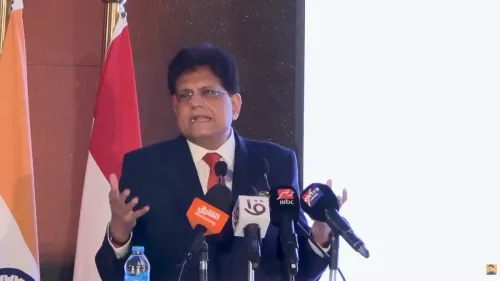
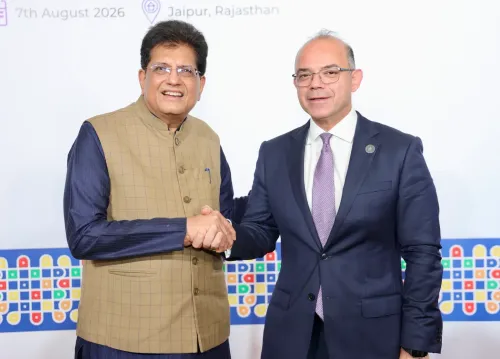
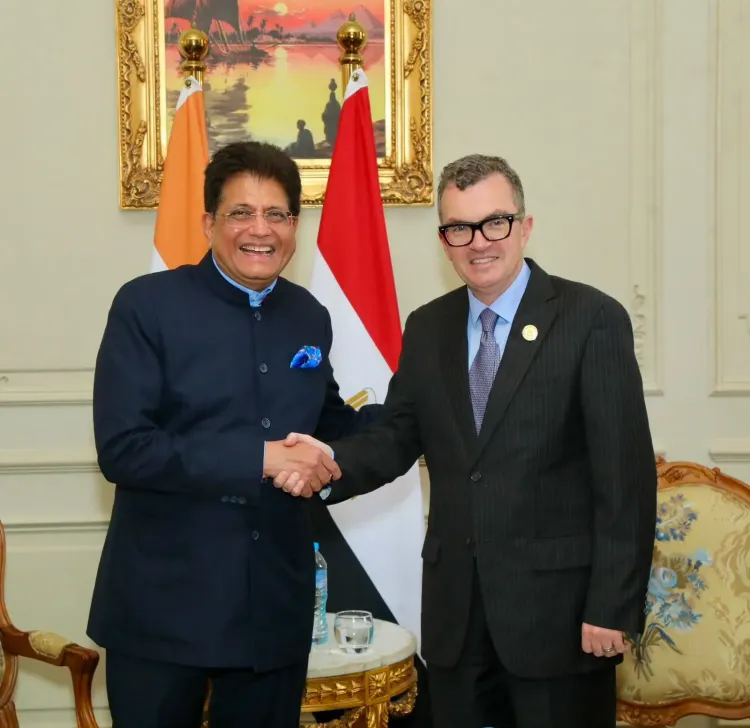
Commerce Minister Piyush Goyal met Egypt's Minister of Planning and Economic Development Dr. Ahmed Rostom on November 16, 2026, to explore deeper India–Egypt ties in startups, innovation, investment and job creation, anchored in India's Startup India model and digital public infrastructure.
Key Takeaways
Union Commerce and Industry Minister Piyush Goyal held a bilateral meeting with Egypt's Minister of Planning and Economic Development Dr.
Ahmed Rostom on November 16, 2026 .
Discussions covered economic development, investment, innovation and entrepreneurship between India and Egypt .
Goyal positioned India's Startup India ecosystem, backed by digital public infrastructure, as a model for collaboration with Egypt's growing entrepreneurial sector.
Both ministers agreed to foster stronger linkages between startups, innovators and businesses in both countries to drive investment and job creation.
The engagement is consistent with India's broader strategy of startup and digital-infrastructure diplomacy with Global South partners across Africa and the Middle East.
Potential follow-up steps include joint working groups, startup exchange programmes or investment facilitation agreements.
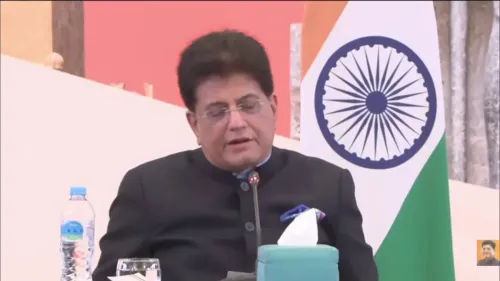
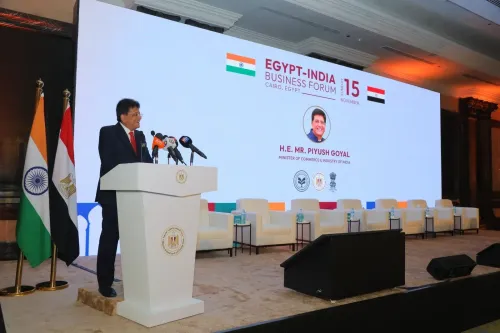
Union Commerce and Industry Minister Piyush Goyal sat down with Dr. Ahmed Rostom, Egypt's Minister of Planning and Economic Development, on Monday, November 16, 2026, turning a bilateral conversation into a concrete push to wire two fast-growing entrepreneurial ecosystems together.
What was on the table between New Delhi and Cairo
The two ministers covered a wide agenda: economic development, cross-border investment, innovation, and entrepreneurship. Goyal highlighted India's Startup India ecosystem — now one of the world's third-largest startup hubs — as a model built on digital public infrastructure and an enabling policy framework. The pitch was direct: India's experience scaling startups through tech-stack solutions like UPI, DigiLocker and the Open Network for Digital Commerce offers Egypt a ready playbook.
Egypt, for its part, is actively expanding its own entrepreneurial base, positioning itself as a technology and innovation gateway for the North African region. Both sides agreed on the importance of fostering stronger linkages between startups, innovators and businesses — with the stated goal of unlocking new opportunities for investment and job creation in both countries.
India's startup diplomacy reaches North Africa
This meeting fits a deliberate pattern. India has steadily deployed its startup and digital-infrastructure story as a foreign-policy asset, particularly with Global South partners across Africa and the Middle East. Egypt is a natural anchor for that outreach — the continent's most populous Arab nation, a major African Union member, and a country that has set ambitious targets for digitising its economy.
The Startup India initiative, launched in 2016, created the scaffolding that now gives Indian negotiators something concrete to offer: a replicable model of regulatory sandboxes, fund-of-funds structures, and digital rails that have collectively seeded over a hundred thousand recognised startups at home.
What could come next from the Goyal–Rostom exchange
The ministerial conversation opens the door to potential follow-up mechanisms — joint working groups, startup exchange programmes, or investment facilitation agreements — though no formal pact was announced from this interaction. The language of 'agreed on the importance' signals political alignment; the architecture to act on it still needs to be built.
For Indian startups, an Egypt partnership represents a potential springboard into North Africa and the broader Arab market. For Egypt's entrepreneurs, access to India's mature digital infrastructure networks and venture capital corridors could accelerate a leap that took India a decade to make.
If the momentum from today's exchange translates into structured cooperation, the real winners will be the founders and innovators in both countries waiting for someone to open the door.
Point of View
Particularly in the Global South. By anchoring the conversation in Startup India's proven architecture, New Delhi is offering Cairo not just trade but a replicable model — a shift from transactional commerce to institutional partnership. Egypt's strategic position as the Arab world's most populous nation and a North African gateway makes it a high-value node in India's growing network of innovation-economy relationships. The absence of a formal pact, however, means the real test will be whether this ministerial alignment translates into on-the-ground mechanisms before the next election cycle reshapes priorities on either side.
NationPress
16 Nov 2026
Frequently Asked Questions
What did Piyush Goyal discuss with Egypt's Planning Minister?
Goyal discussed opportunities to deepen India–Egypt cooperation in economic development, investment, innovation and entrepreneurship, with a focus on linking India's Startup India ecosystem with Egypt's growing entrepreneurial sector.
Who is Dr. Ahmed Rostom?
Dr. Ahmed Rostom is Egypt's Minister of Planning and Economic Development, responsible for national economic planning and development strategies.
What is Startup India and why is it relevant to the India–Egypt meeting?
Startup India is a flagship government programme launched in 2016 to promote innovation through digital public infrastructure and enabling policies. It was highlighted as a model that Egypt could collaborate with to build its own entrepreneurial ecosystem.
What could come out of the India–Egypt startup talks?
Possible outcomes include joint working groups, startup exchange programmes or investment facilitation agreements, though no formal pact was announced from this November 2026 meeting.
Why is Egypt important for India's Global South economic diplomacy?
Egypt is the Arab world's most populous country and a major African Union member, making it a strategic North African gateway for India's expanding network of startup and digital-infrastructure partnerships across Africa and the Middle East.