Sonowal witnesses CSL-Damen MoU to boost India shipbuilding
Synopsis
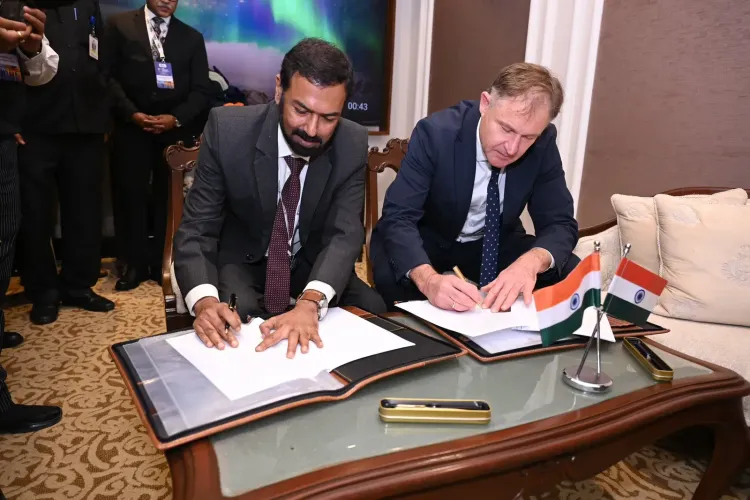
Union Minister Sarbananda Sonowal witnessed the MoU signing between Cochin Shipyard Limited and Netherlands-based Damen Shipyards Group on November 16, 2026, marking a strategic push to combine Indian manufacturing capacity with global expertise in advanced vessel design and green propulsion under India's Maritime Vision 2030 framework.
Key Takeaways
Cochin Shipyard Limited (CSL) and Damen Shipyards Group (Netherlands) signed an MoU on November 16, 2026 , witnessed by Union Minister Sarbananda Sonowal .
The partnership targets advanced vessel design and green propulsion technologies , addressing India's weakest gaps in global shipbuilding competitiveness.
CSL is India's largest public-sector shipyard, based in Kochi, Kerala ; Damen is a globally recognised specialist in tugs, workboats, and low-emission vessels.
The deal aligns with Maritime India Vision 2030 and the Sagarmala Project framework, both targeting higher Indian global market share in shipbuilding.
Technology transfer — including joint designs and green-propulsion integration — is the key deliverable to watch as the partnership matures.
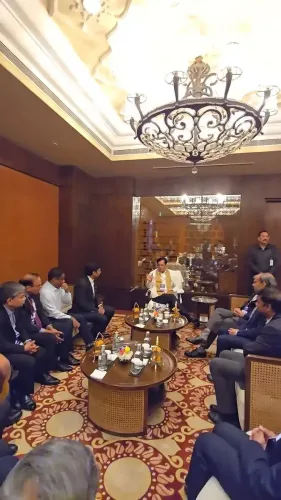
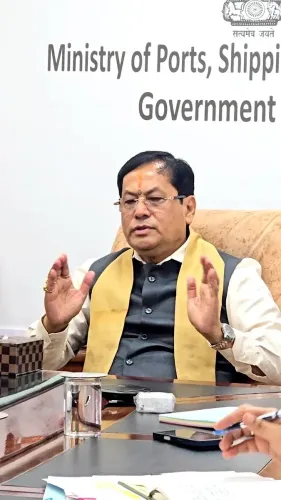
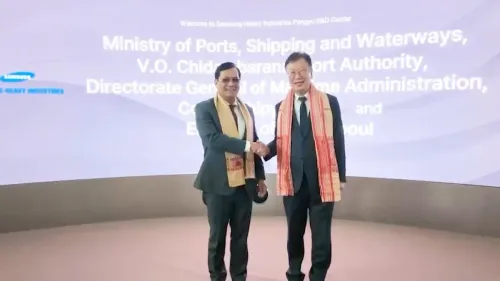
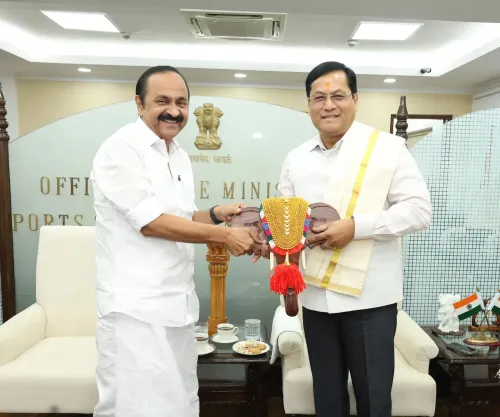
India's shipbuilding ambitions just got a Dutch partner. Union Minister of Ports, Shipping and Waterways Sarbananda Sonowal on Monday, November 16, 2026, witnessed the signing of a Memorandum of Understanding between Cochin Shipyard Limited (CSL) and the Damen Shipyards Group — a deal that pairs India's largest public-sector shipyard with one of Europe's most versatile specialist builders.
Sonowal described the partnership as 'combining Indian manufacturing skills with global expertise in advanced vessel design and green propulsion technologies,' adding that the collaboration 'will fuel India's ambitions to emerge as a global shipbuilding powerhouse.' The phrasing is deliberate — India has long punched below its weight in global shipbuilding, and this MoU signals a structured push to change that.
CSL and Damen: what each side brings to the table
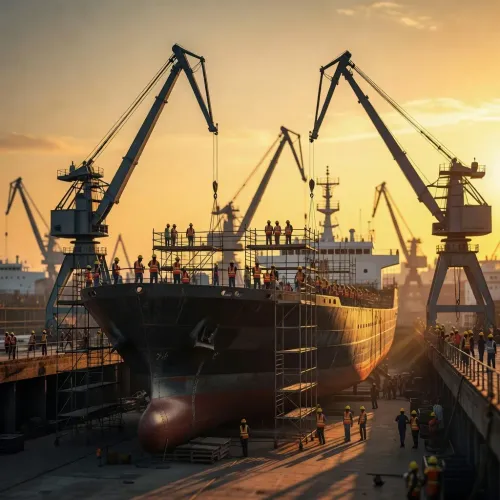
Cochin Shipyard Limited, headquartered in Kochi, Kerala, is India's largest shipyard by capacity and has built everything from aircraft carriers for the Indian Navy to commercial tankers and passenger vessels. Its workforce carries deep fabrication and construction expertise. Damen Shipyards Group, based in the Netherlands, is globally respected for specialised vessel categories — tugs, workboats, ferries, and patrol craft — and has a proven record of technology transfer through joint ventures across Asia and Africa.
The combination is strategically logical. CSL brings the manufacturing muscle and sovereign infrastructure; Damen brings proprietary vessel designs and, critically, green-propulsion know-how at a moment when international shipping faces hard decarbonisation deadlines. Together, they address the two gaps that have historically kept Indian shipbuilders out of premium global contracts: cutting-edge design and low-emission drivetrains.
Where this fits in India's maritime policy arc
The MoU lands inside a well-established policy framework. The Sagarmala Project, launched in 2015, laid the groundwork for port-led industrial development, explicitly including shipbuilding and repair clusters. Maritime India Vision 2030, released in 2021, set a more aggressive target: a meaningfully higher global market share in shipbuilding and a leap into green-shipping infrastructure. The CSL-Damen tie-up is precisely the kind of international technology partnership that Vision 2030 called for — not just capacity addition, but capability upgrade.
India currently accounts for a fraction of global shipbuilding output, dwarfed by China, South Korea, and Japan. Closing that gap requires not just more steel and labour, but access to the advanced design libraries and propulsion systems those nations have spent decades developing. A formal partnership with a Dutch builder of Damen's standing is one credible route.
Green propulsion: the detail that matters most
The specific mention of 'green propulsion technologies' is the clause to watch. The International Maritime Organization has set binding targets to cut shipping's carbon intensity, and vessel orders globally are already shifting toward LNG, methanol, ammonia, and hydrogen-ready designs. Any Indian shipyard that cannot build or service these vessels risks being locked out of the next generation of commercial contracts.
Damen has been active in hybrid and zero-emission vessel development. If the MoU translates into genuine technology transfer — joint design certifications, shared engineering teams, co-developed propulsion integrations — CSL could emerge as one of the few yards in South Asia capable of delivering green-compliant vessels at scale. That would be a commercial and strategic step-change, not just a headline partnership.
The real test comes in the follow-through: technology transfer clauses, joint order pipelines, and whether India's shipbuilding subsidy and financing architecture keeps pace. The ink is fresh — the blueprint is clear.
Point of View
The partnership directly addresses the decarbonisation imperative reshaping vessel orders worldwide — an area where India has had little to offer until now. For Sonowal's ministry, the optics reinforce the Maritime India Vision 2030 narrative with a concrete institutional milestone. The harder question is whether this MoU graduates from intent to technology transfer and joint commercial orders, or remains a diplomatic handshake pending policy support on subsidies and financing.
NationPress
16 Nov 2026
Frequently Asked Questions
What is the CSL-Damen MoU about?
The MoU is a strategic partnership agreement between Cochin Shipyard Limited (India's largest public-sector shipyard) and Damen Shipyards Group (Netherlands) to collaborate on advanced vessel design and green propulsion technologies, aiming to strengthen India's shipbuilding capabilities.
Who is Damen Shipyards Group?
Damen Shipyards Group is a Netherlands-based shipbuilder known for specialised vessels including tugs, workboats, ferries, and patrol craft, with a global presence and expertise in low-emission vessel technologies.
How does this MoU relate to Maritime India Vision 2030?
Maritime India Vision 2030, released in 2021, specifically targets a higher global share for India in shipbuilding and green shipping. The CSL-Damen partnership is a direct implementation of that vision, bringing in international technology to upgrade domestic shipbuilding capability.
What is green propulsion in shipbuilding?
Green propulsion refers to vessel drive systems powered by low-emission or zero-emission fuels such as LNG, methanol, ammonia, or hydrogen, designed to meet international maritime decarbonisation targets set by the International Maritime Organization.
What is the Sagarmala Project and how is it connected?
The Sagarmala Project, launched in 2015, is an Indian government initiative for port-led development that includes shipbuilding and repair clusters. It provided the foundational policy infrastructure within which partnerships like the CSL-Damen MoU are designed to operate.