CM Bhagwant Mann Reaffirms Punjab Welfare Guarantees at Jalandhar Lok Milni
Synopsis
At a Lok Milni village gathering in Jalandhar on 19 November 2026, Punjab CM Bhagwant Singh Mann publicly reaffirmed all major state welfare guarantees — free bus travel, ₹1,000-1,500 monthly aid for women, ₹10 lakh health cover, and free electricity — calling public welfare the government's top priority.
Key Takeaways
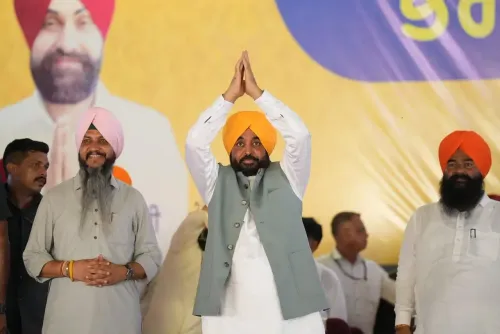
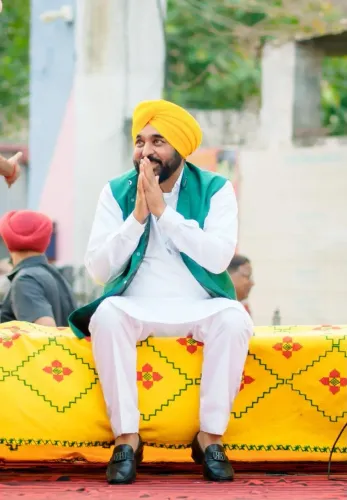
Punjab CM Bhagwant Singh Mann attended a Lok Milni programme at Pind Nawan Donewal village, Jalandhar district , on 19 November 2026 .
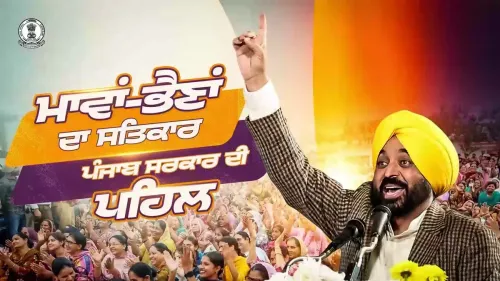
Mann reaffirmed free bus travel and ₹1,000–₹1,500 monthly financial assistance for women will continue.
The ₹10 lakh health coverage scheme and free electricity (up to 300 units) were also confirmed as ongoing guarantees.
The AAP-led Punjab government has maintained this welfare package since winning the March 2022 assembly elections .
Mann stated that 'public welfare and development' remain the government's top priorities.
How the state's 2027–28 budget funds these commitments will be the next key indicator of their durability.
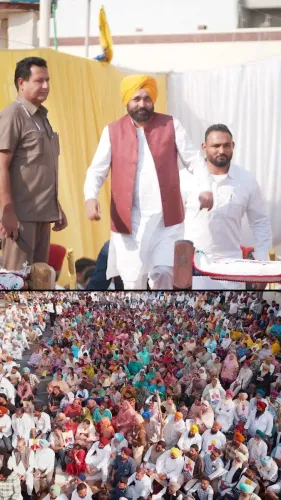
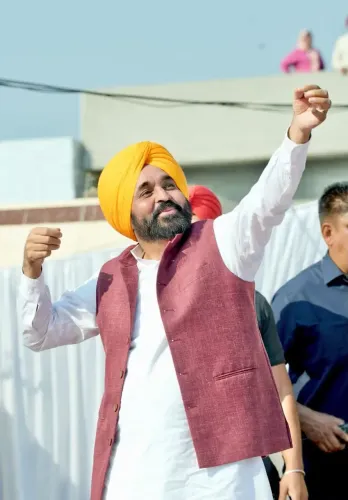
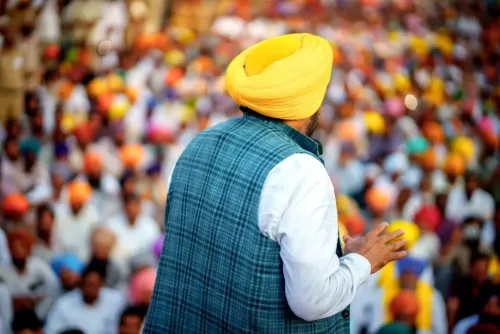
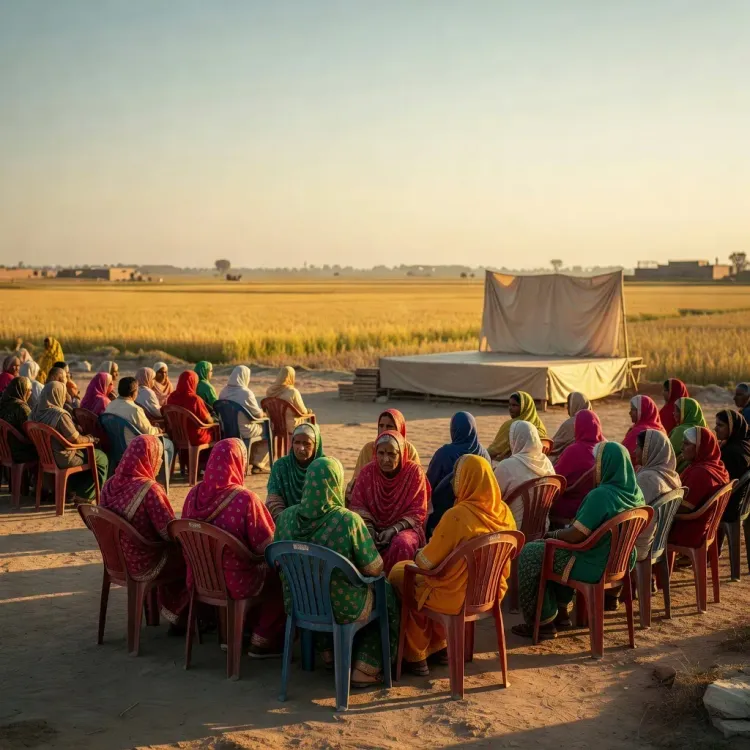
At a packed village gathering in Pind Nawan Donewal, Jalandhar district, Punjab Chief Minister Bhagwant Singh Mann stood before residents on Thursday, 19 November 2026, and made a pointed pledge: every major welfare guarantee his government has built since 2022 stays firmly in place.
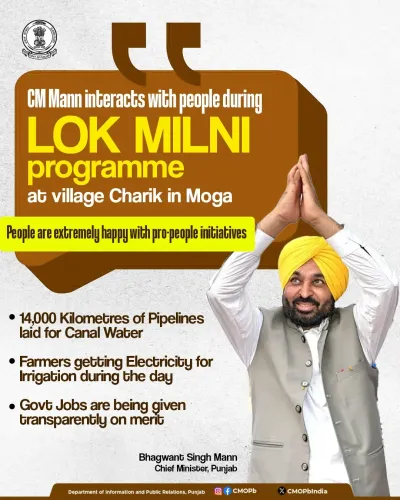
Speaking at the Lok Milni (public meeting) programme — a grassroots outreach format the AAP-led government has used to maintain direct contact with voters — Mann listed the guarantees by name. Free bus travel for women. A monthly financial assistance of ₹1,000 to ₹1,500 for women. Health coverage worth ₹10 lakh per family. And free electricity, up to 300 units, for households across Punjab.
What Mann Promised the Crowd at Pind Nawan Donewal
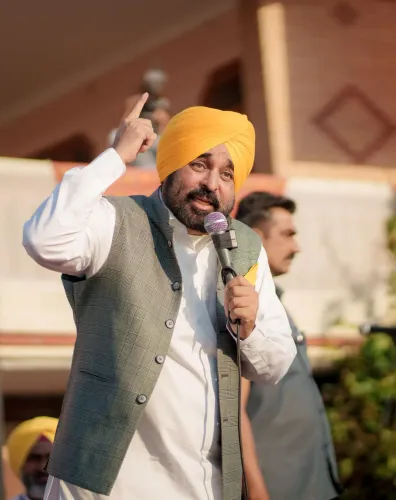
The Chief Minister was unambiguous: 'ਲੋਕ ਭਲਾਈ ਤੇ ਵਿਕਾਸ ਪੰਜਾਬ ਸਰਕਾਰ ਦੀਆਂ ਮੁੱਖ ਤਰਜੀਹਾਂ ਹਨ' ('Public welfare and development are the top priorities of the Punjab Government'). That framing — welfare as priority, not concession — has been a consistent rhetorical anchor for the Aam Aadmi Party in Punjab since it swept to power in the March 2022 assembly elections.
The Lok Milni format puts the Chief Minister directly in rural settings, far from the press-conference circuit, where beneficiaries can hear these commitments face to face. Jalandhar — a major district with a large working-class and agricultural population — is a politically significant stage for such reassurances.
The AAP Welfare Architecture in Punjab: Four Years On
The bundle of guarantees Mann cited on Thursday traces back to AAP's core campaign promises. Free power up to 300 units was one of the first to roll out after the 2022 election win, mirroring the party's earlier playbook in Delhi. Free bus travel for women followed, addressing both mobility and economic access in a state where rural women's transport options have historically been limited.
The ₹10 lakh health coverage scheme and the monthly cash-transfer component targeting women represent the broader direct-benefit strand of the government's welfare architecture — schemes designed to put money and services directly in beneficiaries' hands, bypassing intermediaries. Rural households and women in particular remain the core demographic the government is most visibly courting through these programmes.
The broader pattern is clear: with state fiscal pressures a persistent backdrop to any welfare-heavy government, Mann's choice to reaffirm — rather than revise or qualify — these guarantees in a public village setting signals that the AAP in Punjab is doubling down on welfare continuity as its political identity heading into the next budget cycle. How the state's 2027–28 budget allocations reflect these commitments will be the real test of that pledge.
Point of View
And they will hear it directly. It fits the AAP's broader political strategy of anchoring governance legitimacy in visible, tangible transfers rather than macro-policy narratives. The timing matters too: with a new budget cycle approaching, publicly ruling out rollbacks pre-empts any opposition attempt to frame fiscal tightening as AAP abandoning its base. The Lok Milni format itself — ruler meeting the ruled in their own village — reinforces the party's outsider-turned-deliverer identity that defined its 2022 mandate.
NationPress
19 Nov 2026
Frequently Asked Questions
What is the Lok Milni programme in Punjab?
Lok Milni is a grassroots public outreach programme where Punjab CM Bhagwant Singh Mann meets citizens directly in their villages or localities to hear grievances and communicate government schemes, bypassing formal press engagements.
What welfare guarantees did CM Bhagwant Mann reaffirm on 19 November 2026?
CM Mann reaffirmed four key guarantees: free bus travel for women, monthly financial assistance of ₹1,000 to ₹1,500 for women, ₹10 lakh health coverage, and free electricity for Punjab households.
How much free electricity does the Punjab government provide under its welfare scheme?
The AAP-led Punjab government has provided free electricity up to 300 units per month to households since launching the scheme after its 2022 election victory.
Where is Pind Nawan Donewal?
Pind Nawan Donewal is a village in Jalandhar district, Punjab, where CM Bhagwant Singh Mann held the Lok Milni programme on 19 November 2026.
When did the AAP government in Punjab start these welfare guarantees?
The Aam Aadmi Party launched these welfare guarantees after winning the Punjab assembly elections in March 2022, covering free power, free bus travel for women, monthly cash assistance, and health insurance.