CM Bhagwant Mann Addresses Lok Milni in Nakodar, Vows 'Rangla Punjab'
Synopsis
Punjab Chief Minister Bhagwant Mann addressed a Lok Milni rally in Sareeh village, Nakodar, Jalandhar on 28 October 2026, reaffirming AAP's anti-corruption pledge and promising transformational change in education, health and employment to rebuild a 'Rangla Punjab' ahead of the 2027 state elections.
Key Takeaways
Bhagwant Mann held a Lok Milni public outreach event in Sareeh village, Nakodar constituency, Jalandhar on 28 October 2026 .
Mann declared that 'the trust and love of the people is our real strength' and attacked previous governments for corruption and neglect.
The CM pledged reforms in education, health and employment specifically so children from ordinary families can rise to senior positions.
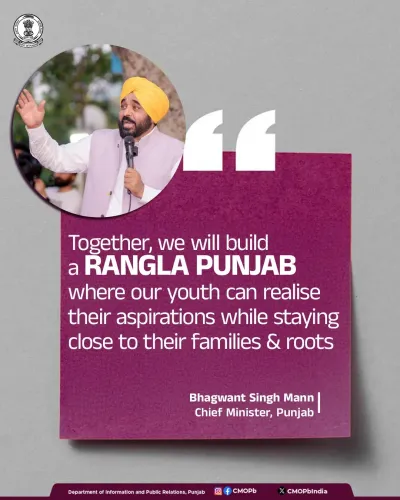
Mann invoked the vision of 'Rangla Punjab' — a vibrant, prosperous Punjab — as the government's core promise to voters.
AAP has governed Punjab since March 2022 on an anti-corruption, welfare-focused mandate; the next assembly election is due in 2027 .
The Lok Milni format is a deliberate grassroots outreach strategy to maintain direct contact with constituents ahead of the election cycle.
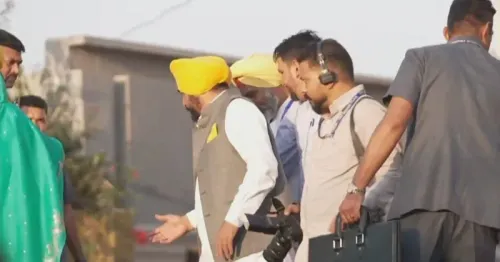
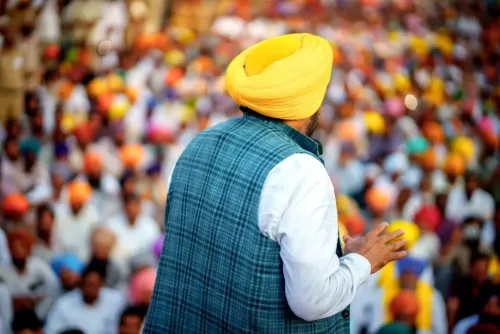
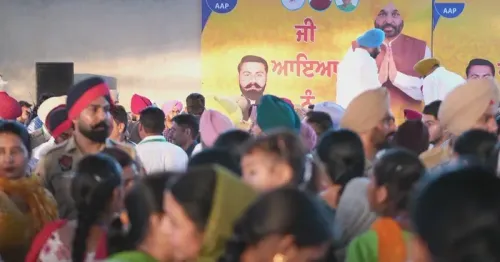
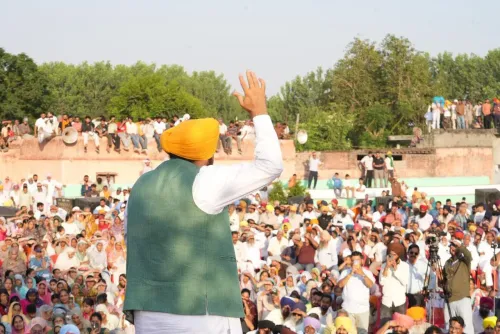
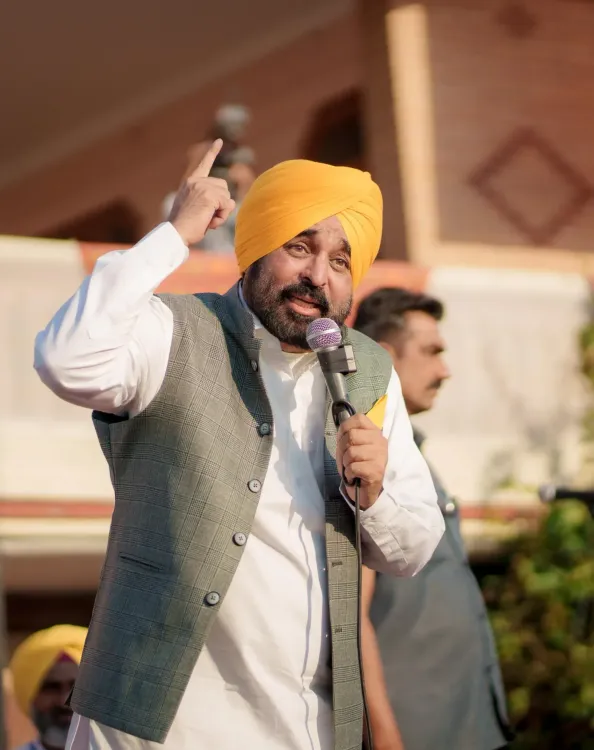
A packed village square in Sareeh, Nakodar constituency, Jalandhar district heard Punjab Chief Minister Bhagwant Mann make his government's case on Wednesday, 28 October 2026 — promising corruption-free governance, sweeping changes in education and health, and the revival of what he calls 'Rangla Punjab' (a vibrant, prosperous Punjab).
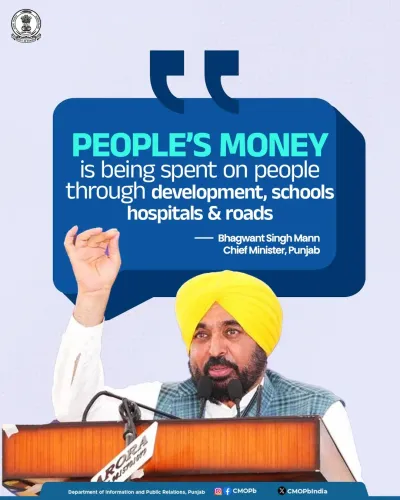
Addressing the crowd at a Lok Milni (public outreach) programme, Mann declared: 'The trust and love of the people is our real strength. While the governments of our opponents only looted the people, our government's one and only goal is the all-round development of Punjab and delivering a corruption-free administration.' The gathering, large enough to draw specific mention in his post, underscored the AAP government's continued reliance on direct, ground-level contact with constituents.
Education, Health, Jobs: Mann's Three-Point Pitch at Nakodar
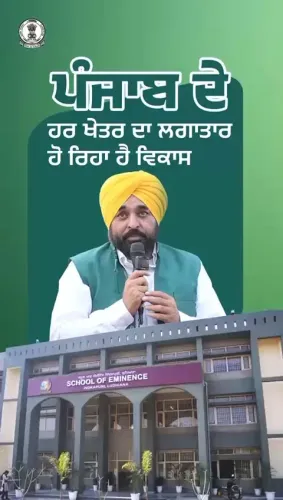
At the heart of Mann's address was a promise directed squarely at ordinary families: 'We are bringing big changes in the fields of education, health and employment so that children from common households can study and become senior officers.' The formulation is deliberately populist — framing government schools and hospitals not as charity but as ladders of social mobility.
Aam Aadmi Party came to power in Punjab in March 2022 after a landslide victory built on precisely these three pillars, alongside pledges of free electricity and a clean break from what the party characterised as decades of corrupt rule by Congress and SAD-BJP governments. Mann's Nakodar speech is a direct echo of that founding mandate, now being tested against the realities of incumbency.
The 'Lok Milni' Strategy and the 2027 Horizon
The Lok Milni format — a structured public-meeting circuit where the Chief Minister travels to constituencies to hear grievances and project governance achievements — has become a signature AAP outreach tool in Punjab. Nakodar, an assembly constituency in the politically competitive Jalandhar district, is the kind of semi-urban, agrarian seat that decides Punjab's electoral arithmetic.
With the next Punjab assembly election due in 2027, these programmes serve a dual purpose: building a record of accessibility and keeping the party's anti-corruption narrative alive against opposition counter-messaging. Mann closed his address with a battle cry — 'Inquilab Zindabad!' (Long live the revolution!) — signalling that the AAP still wants to wear its insurgent identity even as it runs a state government entering its fifth year.
Whether the government's promised transformations in schools, hospitals and jobs have visibly reached villages like Sareeh will ultimately matter more than any rally slogan — and that verdict belongs to Punjab's voters in 2027.
Point of View
Forcing them to rebut rather than advance their own agenda. Yet the speech also exposes AAP's central vulnerability heading into 2027: after nearly five years in power, voters in villages like Sareeh will measure the 'big changes' in schools and hospitals against their daily experience, not against rally rhetoric. The Inquilab Zindabad closer is a tell — the party still needs its insurgent energy, which means it knows the incumbency drag is real.
NationPress
28 Oct 2026
Frequently Asked Questions
What is a Lok Milni programme in Punjab?
A Lok Milni is a structured public outreach event where Punjab Chief Minister Bhagwant Mann travels to local constituencies to interact with citizens, hear grievances, and communicate government achievements directly to voters at the grassroots level.
What did Bhagwant Mann say at the Nakodar public meeting on 28 October 2026?
Mann told the crowd in Sareeh village, Nakodar that the people's trust is the government's 'real strength,' accused previous governments of corruption, and pledged all-round development of Punjab with a focus on education, health and employment for ordinary families.
What does 'Rangla Punjab' mean?
'Rangla Punjab' is a Punjabi phrase meaning a vibrant, colourful and prosperous Punjab. Bhagwant Mann and AAP use it as a campaign slogan to evoke the aspiration of restoring the state's historical vitality after years of perceived misgovernance.
When is the next Punjab assembly election?
The next Punjab Vidhan Sabha election is due in early 2027 . The current AAP government led by Bhagwant Mann came to power in March 2022 after a landslide win.
What are AAP's main governance promises in Punjab?
AAP won the 2022 Punjab elections on promises of free electricity, improved government schools and hospitals, employment generation and a corruption-free administration — the same pillars Bhagwant Mann reiterated at the Nakodar rally.