CM Shivakumar Chairs KBJNL Board Meet at Krishna Bhavan
Synopsis
Chief Minister D.K. Shivakumar chaired a high-level KBJNL board meeting at Krishna Bhavan on October 28, 2026, joined by the Chief Secretary, irrigation minister, and senior officials, to deliberate on key matters related to Karnataka's Krishna basin irrigation projects.
Key Takeaways
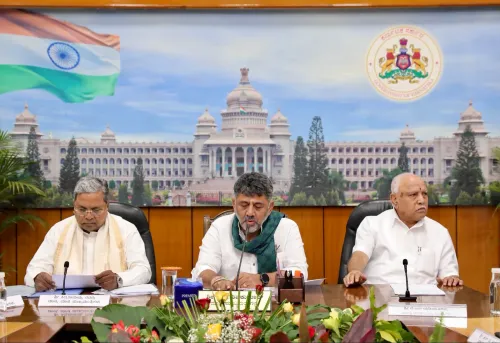
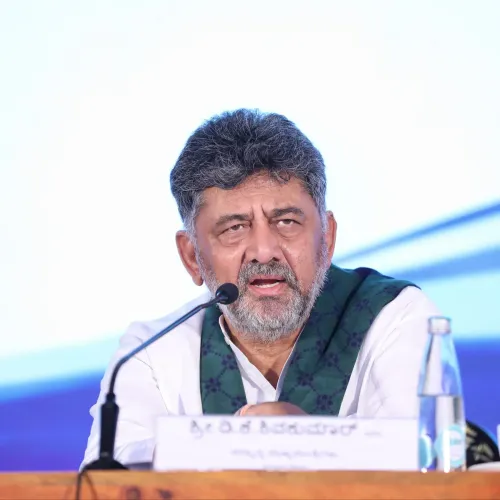
Shivakumar personally chaired the Krishna Bhagya Jala Nigam Limited (KBJNL) board meeting on October 28, 2026 at Krishna Bhavan.
Irrigation Minister Chaluvarayaswami , Chief Secretary Dr.
Shalini Rajaneesh , and Economic Adviser L.K.
Ateeq were among senior attendees.
Additional Chief Secretaries Gaurav Gupta (Water Resources and Energy) and Tushar Girinath (CM's office) also participated.
KBJNL Managing Director Krishnamurthy B.
Kulkarni and technical adviser K.
Jayaprakash represented the corporation's operational leadership.
KBJNL oversees major and medium irrigation projects in the Krishna river basin , critical to north Karnataka's agricultural economy.
No specific decisions from the meeting have been officially announced; follow-up policy announcements are expected.
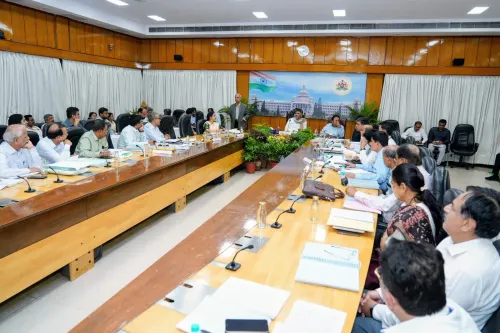
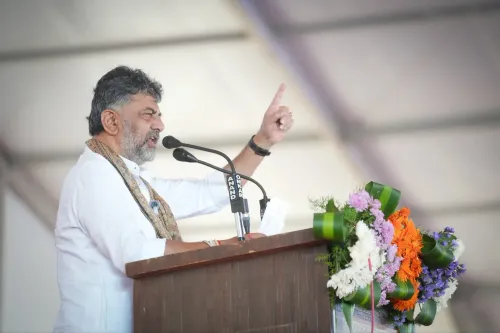
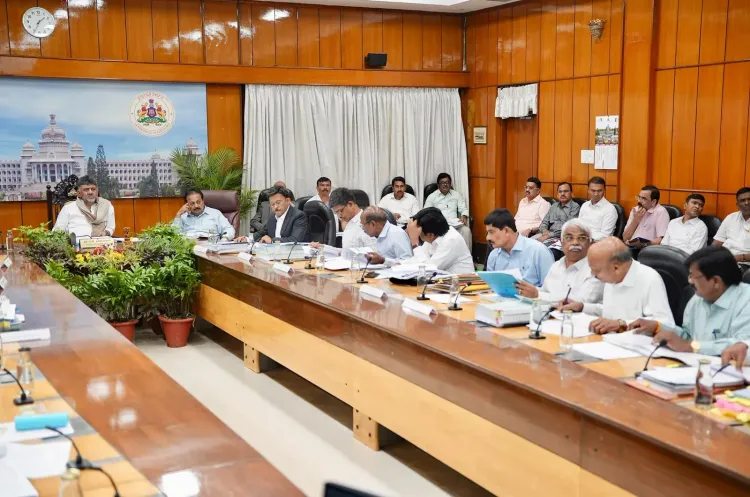
A high-powered board meeting of the Krishna Bhagya Jala Nigam Limited (KBJNL) convened at Krishna Bhavan, the Chief Minister's official residence, on Wednesday, October 28, 2026 — with Chief Minister D.K. Shivakumar personally presiding over deliberations on several significant matters concerning Krishna basin irrigation in Karnataka.
Who was in the room at Krishna Bhavan
The meeting drew together the full machinery of Karnataka's water-resources administration. Chaluvarayaswami, the state's Minister for Major and Medium Irrigation, was present alongside Chief Secretary Dr. Shalini Rajaneesh and L.K. Ateeq, the Chief Minister's Economic Adviser. The technical and administrative bench was equally formidable — Gaurav Gupta, Additional Chief Secretary for Water Resources and Energy, Tushar Girinath, Additional Chief Secretary to the Chief Minister, technical adviser K. Jayaprakash, and KBJNL Managing Director Krishnamurthy B. Kulkarni all attended.
The breadth of seniority in the room — from the Chief Secretary to departmental additional chiefs to the CM's own economic adviser — signals that the agenda extended beyond routine operations. The official post describes 'several important matters' as the subject of discussion, though no specific decisions have been publicly detailed.
KBJNL's role in Karnataka's north: the bigger picture
Krishna Bhagya Jala Nigam Limited is the state corporation responsible for planning and executing major and medium irrigation projects across the Krishna river basin in Karnataka — a region where water access has historically shaped agricultural fortunes. The Upper Krishna Project, the flagship scheme under KBJNL, has been in phased execution since the late 1990s, drawing state funding across successive administrations to expand irrigated acreage in the water-stressed districts of north Karnataka.
Karnataka governments across party lines have treated Krishna basin irrigation as both an economic imperative and a political priority, given the region's dependence on canal networks for paddy, sugarcane and other crops. Board meetings of this nature serve as the primary mechanism through which the government reviews project timelines, clears pending sanctions, and coordinates across departments — making CM-level chair unusually consequential.
The presence of the Chief Minister's Economic Adviser L.K. Ateeq at a technical irrigation board meeting is a detail worth noting: it suggests financial considerations — budget releases, revised cost estimates, or funding gaps — may have been on the table alongside engineering progress reports.
Watch for follow-up announcements from the state government on project sanctions, revised timelines, or fresh budget allocations emerging from today's deliberations. When a Chief Minister pulls this many senior officials into one room around a water corporation's board agenda, the paperwork that follows tends to matter.
Point of View
A consistent signal since the Congress government took office. The attendance of his Economic Adviser alongside the Chief Secretary suggests the session may have addressed financial bottlenecks in the Upper Krishna Project, where phased funding has historically slipped across administrations. North Karnataka's water-deficit districts have long been a politically sensitive constituency, and visible CM-level engagement with KBJNL ahead of the budget cycle carries electoral undertones as much as administrative ones. The absence of any announced outcome makes the follow-up release — if it comes — the real story to watch.
NationPress
28 Oct 2026
Frequently Asked Questions
What is Krishna Bhagya Jala Nigam (KBJNL)?
Krishna Bhagya Jala Nigam Limited (KBJNL) is a Karnataka state government corporation responsible for planning and executing major and medium irrigation projects in the Krishna river basin, primarily serving water-scarce districts of north Karnataka.
Why did CM DK Shivakumar chair the KBJNL board meeting?
The Chief Minister's Office of Karnataka announced that CM D.K. Shivakumar chaired the KBJNL board meeting on October 28, 2026 to discuss several important matters concerning the corporation, signalling high-priority attention to Krishna basin irrigation infrastructure.
Who attended the KBJNL board meeting on October 28 2026?
Key attendees included Irrigation Minister Chaluvarayaswami, Chief Secretary Dr. Shalini Rajaneesh, CM's Economic Adviser L.K. Ateeq, Additional Chief Secretaries Gaurav Gupta and Tushar Girinath, technical adviser K. Jayaprakash, and KBJNL MD Krishnamurthy B. Kulkarni.
What is the Upper Krishna Project in Karnataka?
The Upper Krishna Project is a flagship irrigation scheme under KBJNL that has been in phased execution since the late 1990s, aimed at expanding irrigated agriculture across water-stressed districts in north Karnataka using Krishna river waters.
What decisions came out of the KBJNL board meeting?
No specific decisions have been officially announced following the October 28, 2026 board meeting. The government is expected to release follow-up announcements on project sanctions, budget allocations, or revised implementation timelines.