CM Bhagwant Mann Touts Free Power, 71,700 Jobs at Lok Milniyan
Synopsis
Punjab CM Bhagwant Mann, speaking from Lok Milniyan public meetings, credited free electricity, over 71,700 government jobs, and canal water access as proof his AAP government spends public money on public welfare — contrasting sharply with predecessors he accuses of self-enrichment.
Key Takeaways
Punjab CM Bhagwant Mann posted on November 17, 2026 from Lok Milniyan public outreach sessions, citing strong public affection for his government.
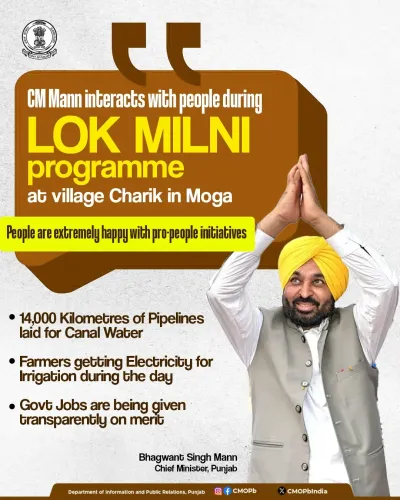
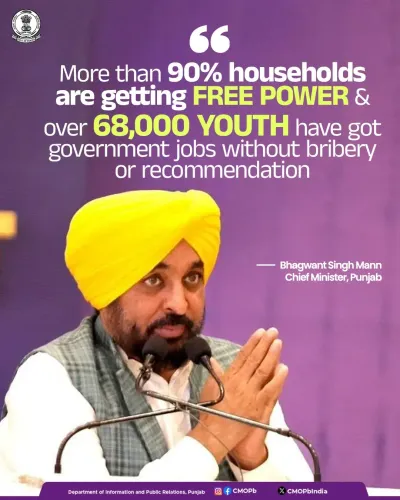
Mann highlighted free electricity (up to 300 units per household), over 71,700 government jobs , and canal water extended to agricultural fields as key welfare achievements.
He contrasted the AAP government directly with previous administrations, accusing them of filling their own coffers at public expense.
The Lok Milniyan format is a signature AAP outreach model designed to bring citizens face-to-face with governance, mirroring direct-benefit delivery approaches used in Delhi.
AAP's three flagship commitments — power, jobs, irrigation — were central to its 2022 Punjab election manifesto and remain the cornerstone of its governance narrative.
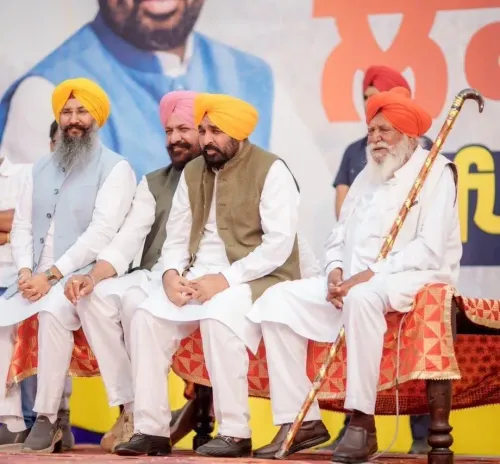
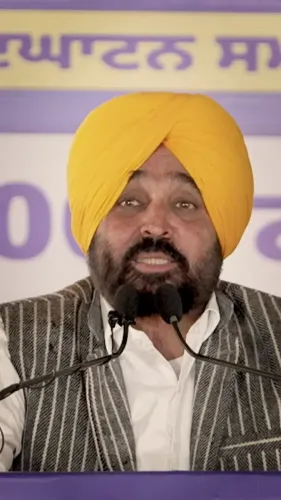
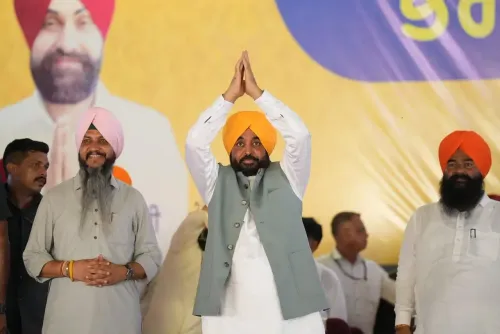
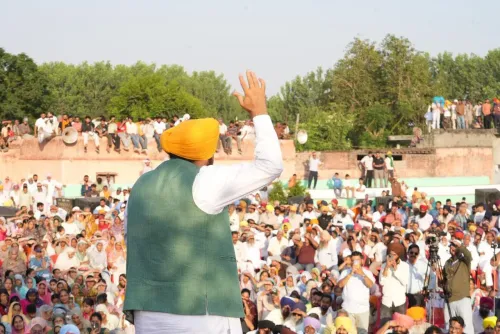
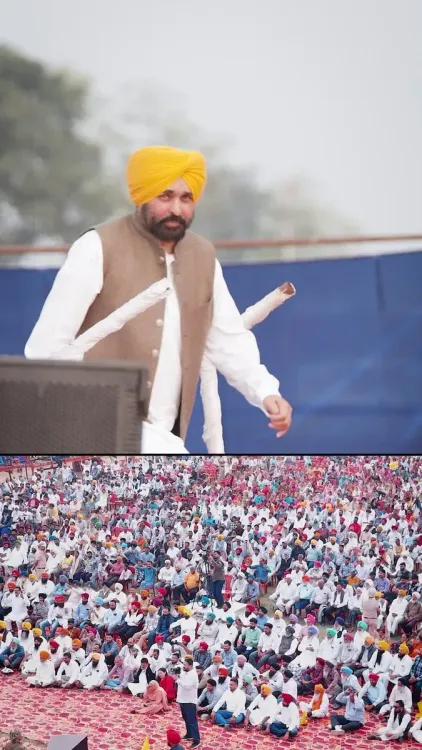
The energy in a public meeting can tell you everything about a government's confidence — and on Tuesday, November 17, 2026, Punjab Chief Minister Bhagwant Mann drew on that energy directly, posting from his 'Lok Milniyan' (public outreach meetings) to declare that people's affection is fuelling the Aam Aadmi Party government's resolve to serve.
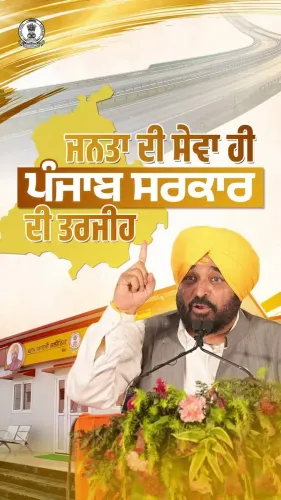
Writing in Punjabi, Mann said the love received at the Lok Milniyan gives his government 'new energy' in its journey of service. He drew a sharp contrast with what came before: 'Previous governments filled their own coffers, but your own government is spending people's money on people's welfare.' The message was pointed, the evidence cited was concrete — free electricity, more than 71,700 government jobs, and canal water reaching agricultural fields.
Free power, farm water, and 71,700 jobs: the welfare triptych
The three pillars Mann listed are not new talking points — they are the spine of AAP's 2022 Punjab election manifesto. The free electricity scheme, which provides households up to 300 units of free power, was among the flagship promises that powered AAP's landslide in the assembly elections that brought Mann to office in March 2022. Delivering on it has been central to the party's claim that it governs differently.
The jobs figure — 71,700-plus government recruitments — targets one of Punjab's most persistent anxieties: educated youth with nowhere to go, a demographic that previous governments were repeatedly accused of neglecting. Canal water extension to farms addresses the other flank: a farming community that has long complained of inadequate irrigation access and relies on groundwater that is rapidly depleting.
The 'Lok Milniyan' model: governance as direct contact
The Lok Milniyan format — structured public interaction sessions where citizens bring grievances directly to officials — is a deliberate governing style choice by the AAP administration. It mirrors the mohalla-clinic-style direct-benefit model AAP popularised in Delhi, transposing the logic of visible, touchable governance onto Punjab's largely rural and semi-urban landscape.
By anchoring Tuesday's post to that setting, Mann frames welfare delivery not as a bureaucratic achievement but as a living conversation between his government and voters. The contrast with 'previous governments' — widely understood as a reference to the Congress and SAD-BJP administrations that preceded AAP — sharpens the narrative without naming anyone, letting the implied record speak.
With state budget discussions and further recruitment notifications likely on the horizon, the question now is whether the numbers Mann is showcasing can be sustained — and expanded. Punjab's public wants the conversation to keep going.
Point of View
Lead with an emotional hook (people's love as fuel), then land hard on deliverables. The 'previous governments filled their coffers' line is a standing AAP refrain — effective precisely because Punjab voters lived through years of credible graft allegations against both Congress and the SAD-BJP combine. The deeper arc here is AAP consolidating a welfare-state identity in Punjab as it seeks to hold its 2022 mandate against resurgent opposition. Whether the jobs and irrigation numbers hold up to scrutiny will determine whether this narrative hardens into durable electoral capital or softens under challenge.
NationPress
17 Nov 2026
Frequently Asked Questions
What is 'Lok Milniyan' in Punjab?
'Lok Milniyan' are structured public interaction sessions held by the AAP government in Punjab where citizens can bring grievances and requests directly to officials and the Chief Minister. The format is designed to make governance visible and accessible at the ground level.
How many free units of electricity does Punjab provide under the AAP scheme?
Punjab's AAP government provides up to 300 units of free electricity per month to households under its flagship power subsidy scheme, one of the central promises from the party's 2022 election manifesto.
How many government jobs has Bhagwant Mann's government given in Punjab?
Chief Minister Bhagwant Mann has cited a figure of more than 71,700 government job recruitments as an achievement of his administration since taking office in March 2022.
What did Bhagwant Mann say about previous Punjab governments?
Mann accused previous governments of filling their own coffers at public expense, contrasting that with his government's stated policy of spending public money on public welfare — specifically citing free power, jobs, and canal water access as proof.
What is AAP's governance approach in Punjab compared to Delhi?
AAP in Punjab has applied a similar direct-benefit governance model to what it built in Delhi — free electricity, public health infrastructure, and structured citizen outreach — adapting it to Punjab's larger rural and agricultural population through canal irrigation support and mass government recruitment.