India's airlines set to order 1,000 more planes as air travel demand soars
Synopsis
India's airlines already have 1,200 planes on order — and they want 1,000 more. With total fleet requirements crossing 2,000 aircraft and manufacturers struggling to deliver on time, the gap between India's aviation ambition and global supply-chain reality is widening fast. The government's bet on GIFT City to cut costly foreign leasing is now a critical piece of the puzzle.
Key Takeaways
Commerce Minister Piyush Goyal said Indian carriers are set to order an additional 1,000 aircraft , announced on 17 November 2026 in Egypt .
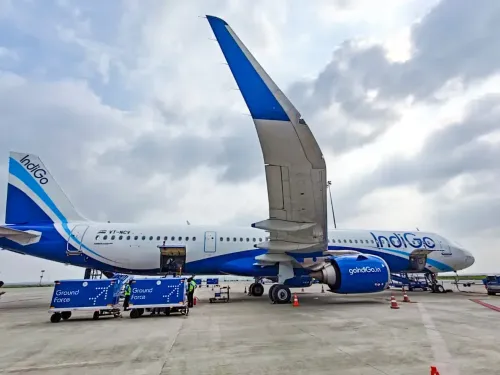
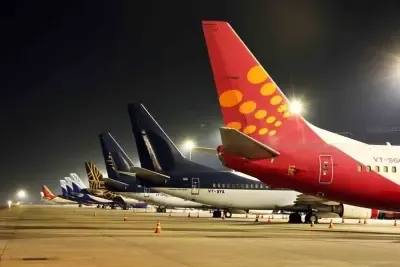
Carriers IndiGo , Air India , and Akasa have already placed orders for more than 1,200 planes with Boeing and Airbus ; total requirement exceeds 2,000 aircraft .
India's commercial fleet is projected to grow at 7.1 per cent annually between 2026 and 2036 , among the highest rates globally, per Oliver Wyman .
More than 85 per cent of Indian carrier fleets are leased, costing billions in annual foreign exchange; the government is developing a domestic leasing hub via GIFT City .
Global supply-chain constraints mean some ordered aircraft are not expected to be inducted until as late as 2034 .
Union Commerce and Industry Minister Piyush Goyal said on 17 November 2026 that India's commercial carriers are preparing to place orders for an additional 1,000 aircraft to keep pace with surging passenger demand. The minister made the remarks while speaking to journalists in Egypt, where he is on a two-day official visit focused on strengthening bilateral trade and investment ties between India and Egypt.
Where India's Fleet Stands Today
Goyal noted that Indian carriers — including IndiGo, Air India, and Akasa — have already placed orders for more than 1,200 planes with manufacturers Boeing and Airbus. The total fleet requirement, he said, exceeds 2,000 aircraft, leaving a gap that the anticipated fresh orders are meant to fill. The airlines are also pressing manufacturers to accelerate delivery timelines to match the pace of demand growth.
Aviation Sector Growth Projections
India's commercial aircraft fleet is projected to expand at an annual rate of 7.1 per cent between 2026 and 2036, according to consultancy Oliver Wyman's 2026 forecast — placing India among the fastest-growing aviation markets globally. Despite that optimistic outlook, figures compiled by the Ministry of Civil Aviation indicate that several large orders placed by Indian carriers remain in a delivery backlog, with some aircraft not scheduled for induction until as late as 2034.
Supply-Side Bottlenecks and Delivery Delays
Aircraft manufacturers are grappling with substantial order backlogs from airlines worldwide. Shortages of engines and other critical components have compounded the problem, disrupting both production schedules and delivery timelines. This comes amid a global post-pandemic aviation rebound that has outpaced manufacturers' capacity to fulfil orders at speed.
The Leasing Challenge and India's Push for GIFT City
More than 85 per cent of the fleet operated by Indian carriers is leased, according to the Ministry of Civil Aviation, making access to affordable financing a strategic priority. Because most lease contracts are currently sourced through international hubs such as Ireland and Singapore, India spends billions of dollars annually in foreign exchange on lease rentals. The government is pushing to build a domestic aircraft leasing and financing ecosystem through GIFT City as a long-term alternative. In September, the Ministry of Civil Aviation convened a High-Level Committee meeting to identify and address bottlenecks in aircraft leasing and financing. Measures under consideration include increasing bank credit allocation to the aircraft leasing sector, rupee-denominated financing, and regulatory changes to lower barriers for Indian carriers. Goyal also noted that improved fleet capacity would benefit air connectivity between India and Egypt, enabling airlines to add more flights on the route. With demand projections remaining robust and both domestic policy and bilateral diplomacy aligned, India's aviation expansion story is far from fully written.
Point of View
000-plane announcement is a demand signal, not a supply solution — and that distinction matters. Indian carriers have already placed orders for over 1,200 aircraft, yet delivery backlogs stretch to 2034. Placing more orders into an already constrained global manufacturing pipeline risks deepening the queue rather than accelerating growth. The more structurally significant story is leasing: with over 85 per cent of India's fleet leased abroad, the annual foreign exchange outflow is a quiet but persistent drain. GIFT City's potential as a domestic leasing hub is real, but it requires credible regulatory architecture and competitive capital costs to displace entrenched Irish and Singaporean intermediaries. Until deliveries match orders and domestic financing scales, India's aviation ambition will remain a story of impressive numbers on paper.
NationPress
17 Nov 2026
Frequently Asked Questions
How many planes are Indian airlines planning to order?
Indian carriers are preparing to order an additional 1,000 aircraft, according to Commerce and Industry Minister Piyush Goyal. Combined with existing orders of over 1,200 planes already placed with Boeing and Airbus, total fleet requirements exceed 2,000 aircraft.
Which Indian airlines have already placed large aircraft orders?
IndiGo, Air India, and Akasa are among the carriers that have collectively ordered more than 1,200 planes from Boeing and Airbus. The airlines are also urging manufacturers to speed up deliveries to meet rising passenger demand.
Why are aircraft deliveries to Indian airlines delayed?
Global aircraft manufacturers are facing large order backlogs from airlines worldwide, compounded by shortages of engines and other components. Some aircraft ordered by Indian carriers are not expected to be inducted until as late as 2034.
What is India doing to reduce aircraft leasing costs?
The Indian government is working to build a domestic aircraft leasing and financing ecosystem through GIFT City, aiming to reduce dependence on international hubs like Ireland and Singapore. Measures under review include increased bank credit for leasing, rupee-denominated financing, and regulatory reforms. A High-Level Committee of the Ministry of Civil Aviation met in September to address these bottlenecks.
How fast is India's aviation sector expected to grow?
India's commercial aircraft fleet is projected to grow at an annual rate of 7.1 per cent between 2026 and 2036, according to Oliver Wyman's 2026 forecast — placing India among the fastest-growing aviation markets in the world.