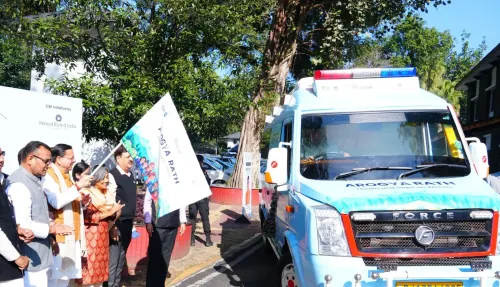
CM Dhami flags off two Arogya Rath units for Almora, Pithoragarh
Synopsis
Uttarakhand CM Pushkar Singh Dhami flagged off two 'Arogya Rath' mobile medical units from Dehradun on 17 November 2026, deploying doctor-led teams to remote villages in Almora and Pithoragarh districts, with corporate support from Pernod Ricard India Foundation and TSL Foundation.
Key Takeaways
Two Arogya Rath mobile medical units were flagged off by CM Pushkar Singh Dhami from his camp office in Dehradun on 17 November 2026 .
The units are headed to remote villages in Almora and Pithoragarh — two of Uttarakhand's most geographically isolated districts.
Each van carries a doctor, paramedical staff, and a pharmacist , offering primary care, health consultations, and essential medicines on-site.
The initiative is funded with support from Pernod Ricard India Foundation and TSL Foundation , underlining a public-private partnership model.
The rollout aligns with the national Ayushman Bharat framework launched in 2018 , which targets primary healthcare expansion in difficult terrain.
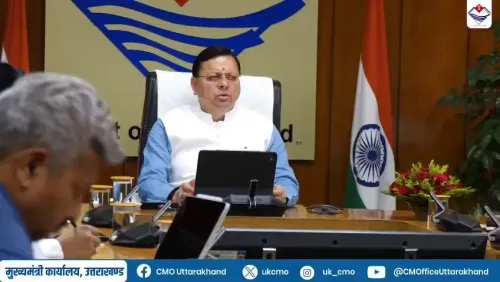
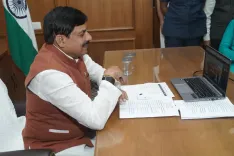
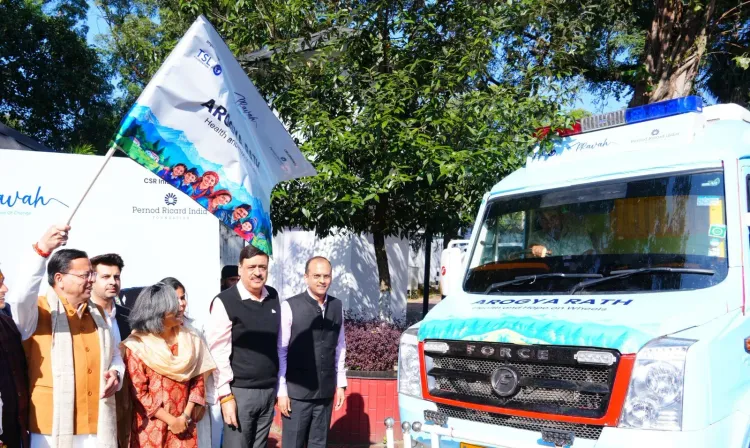
Two mobile medical units rolling out of Dehradun on Tuesday, 17 November 2026, could mean the difference between a treacherous mountain trek to the nearest clinic and a doctor arriving at your doorstep — Uttarakhand Chief Minister Pushkar Singh Dhami flagged off the 'Arogya Rath' vans from his camp office, dispatching them into the high-altitude villages of Almora and Pithoragarh.
What the Arogya Rath carries into the hills
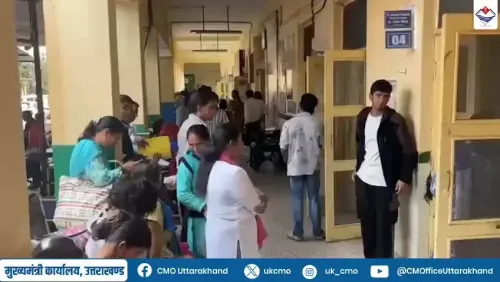
Each unit is staffed with a doctor, paramedical personnel, and a pharmacist — a compact, self-sufficient clinic on wheels. Residents in remote hamlets of both districts will receive primary medical care, health consultations, and essential medicines without leaving their villages. Critically, the units are designed for early identification of health problems, making them as much a prevention tool as a treatment one.
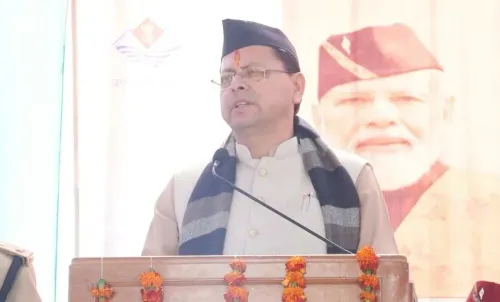
Dhami framed the initiative in plain terms: 'उत्तराखण्ड की विषम भौगोलिक परिस्थितियों को देखते हुए हमारा प्रयास है कि स्वास्थ्य सुविधाएं प्रत्येक नागरिक तक पहुंचें' — 'Given Uttarakhand's difficult geographic conditions, our effort is to ensure health services reach every citizen.'
Why Almora and Pithoragarh face a steeper challenge
Almora, tucked in the Kumaon hills, and Pithoragarh, which shares borders with Nepal and Tibet, rank among the state's most geographically isolated districts. Seasonal road closures, sparse public transport, and the sheer altitude make routine clinical visits a half-day ordeal for many villagers. Mobile medical units have historically been the most practical bridge across this kind of terrain — a pattern seen across India's Himalayan states for decades.
The national architecture supporting this push is Ayushman Bharat, launched in 2018, which set a mandate for expanding primary healthcare infrastructure and Health and Wellness Centres (HWCs) across states including Uttarakhand. The Arogya Rath model slots neatly into that framework, extending the last-mile reach that fixed infrastructure alone cannot achieve.
Pernod Ricard India Foundation and TSL Foundation's role
The Chief Minister specifically acknowledged two corporate partners whose funding made this rollout possible: Pernod Ricard India Foundation and TSL Foundation. Both are philanthropic arms active in community health and social welfare programmes. Dhami underlined that alongside government effort, participation from civil society and the corporate sector is essential — a pointed signal that this model is built for replication and scaling through public-private partnership.
With the vans now on mountain roads, the real test begins: whether consistent coverage, reliable drug supply chains, and physician continuity can be sustained in terrain where infrastructure is never guaranteed.
Point of View
Dhami is road-testing a scalable template that the broader Ayushman Bharat architecture anticipates but rarely operationalises at the village level. For a BJP state government heading into future electoral cycles, visible last-mile health delivery in remote Kumaon districts — historically underserved — carries both administrative and political weight. The more consequential question is sustainability: mobile units require drug supply logistics, physician retention, and fuel budgets that corporate one-time grants rarely cover beyond an initial period.
NationPress
17 Nov 2026
Frequently Asked Questions
What is the Arogya Rath in Uttarakhand?
Arogya Rath is a mobile medical unit programme launched by Uttarakhand Chief Minister Pushkar Singh Dhami to bring primary healthcare — including doctors, paramedical staff, pharmacists, and essential medicines — directly to remote hill villages in districts like Almora and Pithoragarh.
Which districts will the Arogya Rath units serve?
The two units flagged off on 17 November 2026 are deployed to Almora and Pithoragarh , two of Uttarakhand's most geographically isolated districts in the Kumaon region.
Who funded the Arogya Rath initiative in Uttarakhand?
The initiative was supported through a public-private partnership, with Pernod Ricard India Foundation and TSL Foundation acknowledged by CM Dhami as key corporate contributors to the rollout.
What services do Arogya Rath mobile units provide?
Each unit provides primary medical care, health consultations, and essential medicines. Staffed by a doctor, paramedics, and a pharmacist, the vans also focus on early detection of health conditions to enable timely treatment.
How does Arogya Rath connect to Ayushman Bharat?
Ayushman Bharat, launched nationally in 2018, set a framework for expanding primary healthcare infrastructure across India, including remote states like Uttarakhand. Mobile medical units like Arogya Rath extend the last-mile reach that fixed Health and Wellness Centres cannot always achieve in mountainous terrain.