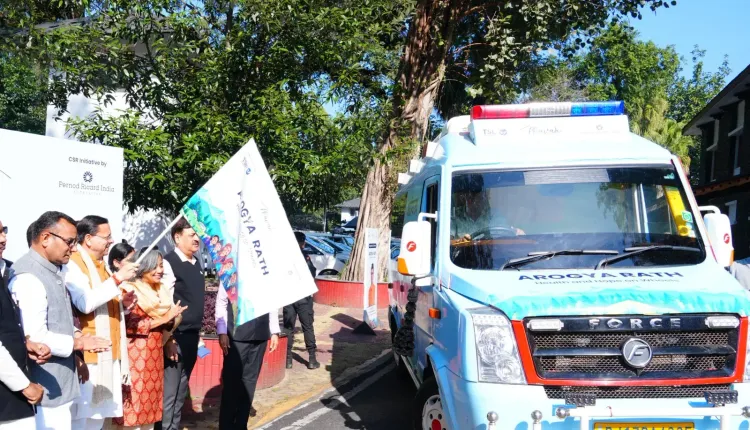
CM Dhami flags off two Arogya Rath mobile units for Almora, Pithoragarh
Synopsis
Chief Minister Pushkar Singh Dhami flagged off two 'Arogya Rath' mobile medical units on November 17 from Dehradun for Almora and Pithoragarh, funded under Pernod Ricard India Foundation's CSR programme and implemented by TSL Foundation, to deliver doctors, paramedics, and medicines to Uttarakhand's remote hill communities.
Key Takeaways
Two Arogya Rath mobile medical units were flagged off by CM Pushkar Singh Dhami from Dehradun on November 17, 2026 .
The units will serve remote areas of Almora and Pithoragarh districts in the Uttarakhand hills.
Each unit carries a doctor, paramedical staff, pharmacist, and essential medicines for primary and preventive care.
The initiative is funded by Pernod Ricard India Foundation's CSR programme and implemented by TSL Foundation .
Dhami called expanding health access in mountainous districts a state government priority and invited further corporate-sector participation.
Future integration with frameworks like National Health Mission or Ayushman Bharat is a key development to watch.
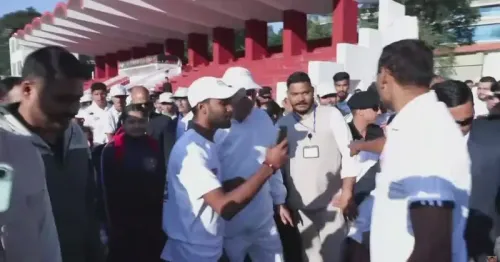
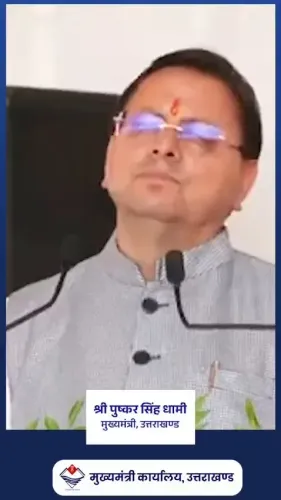
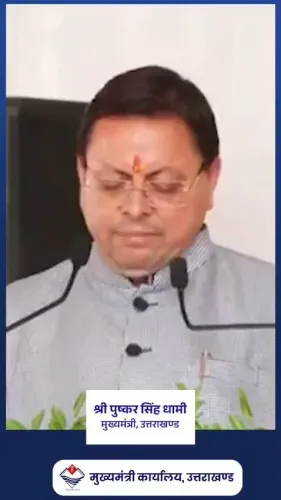
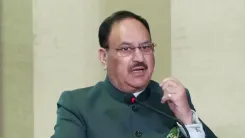
Two mobile medical units named 'Arogya Rath' rolled out of Dehradun on Tuesday, November 17, 2026 — heading into the high ridges of Almora and Pithoragarh, where a doctor's visit can mean a day-long trek. The Chief Minister's Office of Uttarakhand announced that Chief Minister Pushkar Singh Dhami flagged off the units from the Chief Minister's Camp Office in Dehradun, calling the initiative a direct answer to the state's stubborn geography.
What rides inside the Arogya Rath
Each unit is staffed with a physician, paramedical personnel, and a pharmacist, and carries a supply of essential medicines. The design is deliberate: bring primary care and preventive health services to the doorstep of communities that have historically had to leave their villages to access either. Residents will also receive early-screening support and timely medical consultations — services that, in terrain this difficult, often arrive too late or not at all.
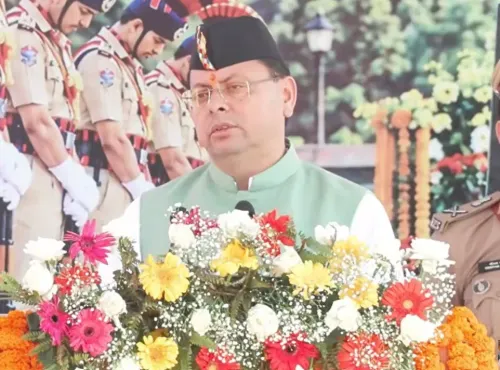
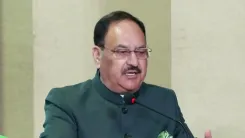
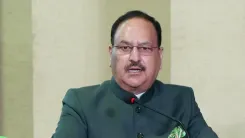
The initiative is funded under the Corporate Social Responsibility (CSR) programme of Pernod Ricard India Foundation and is being implemented on the ground by TSL Foundation. Speaking at the flag-off, Dhami said: 'Providing better health facilities in the mountainous and remote areas of the state is the priority of the state government. Given the difficult geographical conditions of Uttarakhand, it is necessary to bring health services closer to the people.'
A hill-state problem older than the state itself
Uttarakhand was carved out of Uttar Pradesh in 2000 specifically so its hill districts could receive more focused governance — yet geographic isolation has remained a persistent barrier to healthcare delivery for more than two decades. Almora and Pithoragarh, both deeply mountainous, represent exactly the terrain where fixed health infrastructure is expensive to build and even harder to staff. Mobile units sidestep that constraint entirely, reaching villages without requiring a clinic to exist in every hamlet.
The broader pattern across India's hilly and tribal states points the same direction: mobile medical units, often CSR-funded, have become a practical bridge between government intention and last-mile delivery. What matters now is whether the Arogya Rath fleet expands to other districts and whether its operations get formally integrated with frameworks like the National Health Mission or Ayushman Bharat.
Who was in the room at Dehradun
The flag-off was attended by Hemraj Bisht, Vice President of the Uttarakhand State-Level Sports Council; Anil Singh Shahi, Member of the Migration Prevention Commission; Health Secretary Vinay Shankar Pandey; Additional Secretary Manmohan Mainali; Anantika Singh, Senior Director (CSR) at Pernod Ricard India Foundation; and TSL Group CEO Sahil Arora and Director Adesh Gupta. The presence of both government officials and corporate partners signals the public-private character of the model.
Dhami expressed hope that more organisations would continue to contribute to health, education, and social development in the state in the same spirit — a signal that the government is actively courting further CSR investment for sectors where public budgets fall short. Two vehicles, two districts. For thousands of people in Uttarakhand's high reaches, that is where healthcare will now come looking for them.
Point of View
Altitude-challenged population — a challenge the state has grappled with since its formation in 2000. Routing the initiative through a CSR mechanism rather than a direct government scheme allows faster deployment but also raises questions about sustainability and coverage continuity once CSR commitments end. The public-private framing Dhami championed at the flag-off is consistent with a broader national pattern of using corporate funding to plug last-mile gaps in social sectors. Whether this two-unit pilot scales meaningfully — and whether it plugs into Ayushman Bharat or the National Health Mission — will determine if it is a durable policy move or a well-intentioned gesture.
NationPress
17 Nov 2026
Frequently Asked Questions
What is Arogya Rath in Uttarakhand?
'Arogya Rath' refers to mobile medical units launched by the Uttarakhand government to deliver primary healthcare — including doctors, paramedical staff, pharmacists, and medicines — directly to remote hill communities in districts like Almora and Pithoragarh.
Who funded the Arogya Rath mobile medical units?
The units are funded under the Corporate Social Responsibility (CSR) programme of Pernod Ricard India Foundation and are being implemented on the ground by TSL Foundation .
Which districts will the Arogya Rath units serve?
The two mobile medical units flagged off on November 17, 2026 are assigned to remote areas of Almora and Pithoragarh districts in Uttarakhand.
What services will the Arogya Rath provide?
Each unit provides primary and preventive healthcare services, early screening, timely medical consultation, and health awareness — staffed by a physician, paramedical personnel, and a pharmacist with essential medicines.
Why are mobile medical units important for Uttarakhand?
Uttarakhand's mountainous terrain makes it extremely difficult and costly to build and staff permanent health facilities in every village. Mobile units bring care directly to residents who would otherwise travel long distances for even basic medical attention.