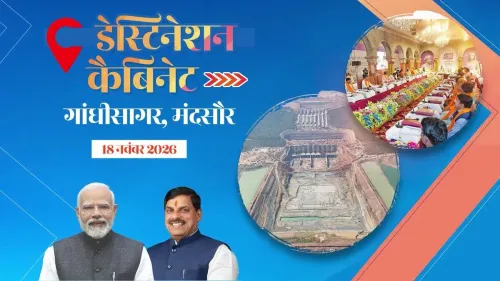
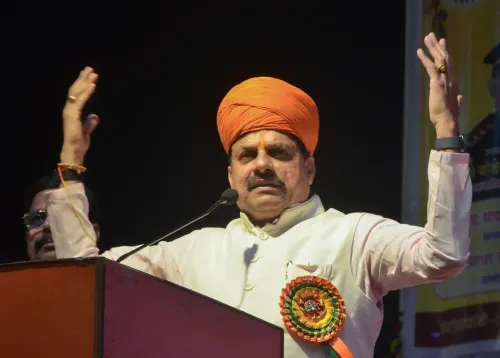
CM Mohan Yadav Unveils ₹11,500 Cr Pumped Hydro Project at Gandhi Sagar
Synopsis
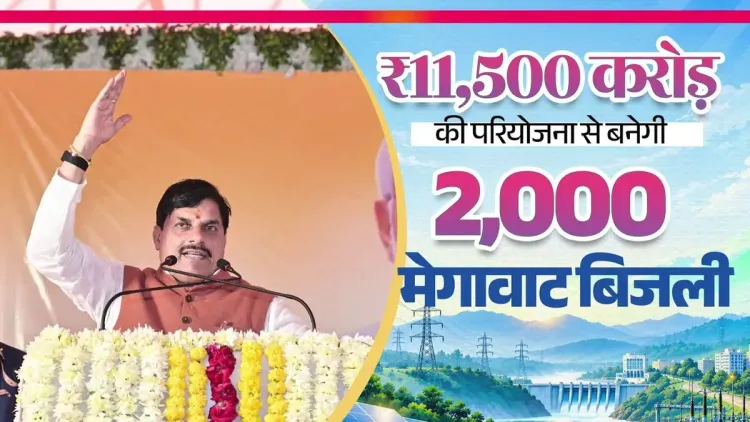
Chief Minister Dr. Mohan Yadav announced a ₹11,500 crore, 2,000 MW pumped hydro storage project at Gandhi Sagar on 17 November 2026, paired with ₹272 crore in development works, an industrial park, and tourism expansion for the Mandsaur-Neemuch region.
Key Takeaways
₹11,500 crore pumped hydro storage project with 2,000 MW capacity proposed at Gandhi Sagar on the Chambal River. ₹272 crore in immediate development works announced alongside the energy project.
Plans include an industrial park , expanded tourism infrastructure, and transport upgrades for the Mandsaur-Neemuch region.
Gandhi Sagar already hosts a conventional hydroelectric station dating to the 1960s , making it structurally suited for pumped hydro.
Pumped hydro acts as large-scale grid storage, supporting integration of solar and wind power across Madhya Pradesh.
Key next steps include environmental clearances, project sanctions, land acquisition, and private investment commitments for the industrial park.
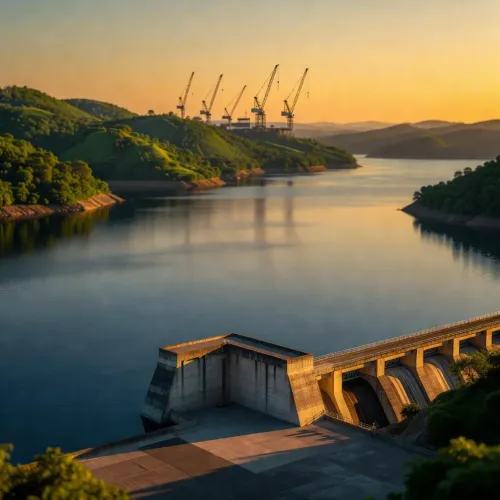
A single reservoir is about to reshape the energy and economic map of western Madhya Pradesh. Chief Minister Dr. Mohan Yadav announced on Tuesday, 17 November 2026, that Gandhi Sagar — the storied reservoir on the Chambal River — will anchor a transformational development push combining green energy, industry, and tourism for the Mandsaur-Neemuch region.
At the heart of the announcement is a ₹11,500 crore pumped hydro storage project with a capacity of 2,000 megawatts — one of the largest such facilities proposed in India. Alongside it, the state government has committed ₹272 crore in immediate development works, plus plans for an industrial park, expanded tourism infrastructure, and improved transport connectivity across the region.
Why Pumped Hydro at Gandhi Sagar Is a Strategic Bet
Pumped hydro storage works as a giant rechargeable battery: surplus electricity — particularly from solar and wind — pumps water uphill into a reservoir; when the grid needs power, that water flows back down through turbines. It is the world's most proven large-scale energy storage technology, and Gandhi Sagar's existing dam infrastructure makes it a near-ideal candidate for the upper and lower reservoir configuration the technology demands.
Several Indian states have raced to lock in pumped-storage capacity as the national grid absorbs a rapidly rising share of intermittent renewables. Madhya Pradesh, which has operated a conventional hydroelectric station at Gandhi Sagar since the 1960s, is now converting that legacy asset into a 21st-century grid stabiliser. At 2,000 MW, the proposed facility would rank among the country's most significant pumped-hydro additions.
Mandsaur and Neemuch: Beyond Power, an Industrial Corridor
The energy project does not stand alone. CM Yadav's statement packages it with a broader regional development vision: a dedicated industrial park to attract manufacturing investment, tourism development that could leverage Gandhi Sagar's wildlife sanctuary and scenic reservoir, and transport upgrades to stitch these assets together.
Mandsaur and Neemuch sit in the westernmost arc of Madhya Pradesh, sharing a border with Rajasthan. Historically agricultural — Mandsaur is synonymous with India's opium belt and a major cement corridor, while Neemuch is a key trade hub — the two districts have long awaited the kind of anchor investment that reshapes labour markets and supply chains. An industrial park backed by reliable, dispatchable green power could change that calculus.
The Road from Announcement to Megawatt
Pumped hydro projects at this scale move through multiple regulatory gates — environmental clearances, land acquisition, grid connectivity approvals, and ultimately, the financial close with a developer. The ₹11,500 crore price tag signals serious intent; the critical milestones now are project sanctions from the central government, environmental impact assessments for the Gandhi Sagar sanctuary zone, and private investment commitments for the industrial park.
CM Yadav's framing — 'Gandhasagar se Madhya Pradesh ke vikas ko milegi nayi udaan' ('Gandhi Sagar will give Madhya Pradesh's development a new flight') — positions this as a signature economic plank for his administration. With renewable integration becoming a grid imperative and India's storage capacity still far below what an ambitious energy transition demands, Madhya Pradesh's move to monetise an existing reservoir for pumped hydro is a template other states will watch closely.
Gandhi Sagar once powered the first lights of a newly independent Madhya Pradesh. If the ₹11,500 crore plan clears its regulatory hurdles, it could power the state's next industrial chapter — on clean, stored electricity.
Point of View
Bundling a 2,000 MW energy asset with an industrial park and tourism push is a deliberate attempt to convert a western MP region historically dependent on agriculture into a multi-sector growth corridor. The scale of the ₹11,500 crore commitment, if it proceeds to financial close, would represent one of the most significant single investments in Madhya Pradesh's energy infrastructure in decades. The critical political test arrives when environmental clearances for the Gandhi Sagar sanctuary zone are sought — that process will determine whether the announcement translates into steel and turbines.
NationPress
17 Nov 2026
Frequently Asked Questions
What is the Gandhi Sagar pumped hydro storage project in Madhya Pradesh?
It is a proposed 2,000 MW pumped hydro storage facility at the Gandhi Sagar reservoir on the Chambal River in western Madhya Pradesh, announced by Chief Minister Dr. Mohan Yadav at an estimated cost of ₹11,500 crore . The project would use surplus electricity to pump water uphill and release it through turbines when the grid needs power.
What is pumped hydro storage and how does it work?
Pumped hydro storage is a large-scale energy storage technology that pumps water from a lower reservoir to a higher one using surplus electricity, then releases it back through turbines to generate power on demand. It is the world's most widely deployed form of grid-scale energy storage and is especially valuable for balancing intermittent solar and wind generation.
How will the Gandhi Sagar project benefit Mandsaur and Neemuch districts?
Beyond energy generation, CM Yadav's announcement includes an industrial park , ₹272 crore in immediate development works, expanded tourism facilities at the Gandhi Sagar wildlife sanctuary and reservoir, and improved transport connectivity — all aimed at stimulating economic growth in the Mandsaur-Neemuch region.
What are the next steps before the Gandhi Sagar pumped hydro project can begin?
The project must clear several regulatory stages, including environmental impact assessments given the Gandhi Sagar wildlife sanctuary, central government project sanctions, land acquisition, grid connectivity approvals, and ultimately a financial close with a private or public developer.
What is the existing power infrastructure at Gandhi Sagar?
Gandhi Sagar has hosted a conventional hydroelectric power station since the 1960s , making its dam and reservoir infrastructure an established foundation for the new pumped storage project.