CM Fadnavis Clears Path for Gadchiroli's Medical College and Highways
Synopsis
Chief Minister Devendra Fadnavis chaired a Forest Department review in Mumbai on 17 November, ordering immediate clearance of Gadchiroli's government medical college and highway segments outside tiger corridors, restricting PARIVESH approvals to NTCA's 32 notified corridors, and launching a bamboo-ethanol livelihood scheme for forest-fringe farmers.
Key Takeaways
CM Devendra Fadnavis chaired a Forest Department meeting at Mantralaya, Mumbai on 17 November 2026 .
The Gadchiroli government medical college , located outside any tiger corridor, is to be operationalised immediately.
Work on 26 of 28 kilometres of a stalled national highway — the stretch outside the tiger corridor — must resume without delay.
The PARIVESH environmental clearance portal will apply only the 32 tiger corridors notified by the NTCA ; informal corridor claims cannot block projects.
MIDC and Maharashtra Forest Development Corporation will co-develop bamboo cultivation and ethanol production near protected areas, leasing farmland from tribal farmers at annual rent.
Community forest-rights committees managing 5.5 lakh hectares will have tenures aligned with gram panchayat election cycles.
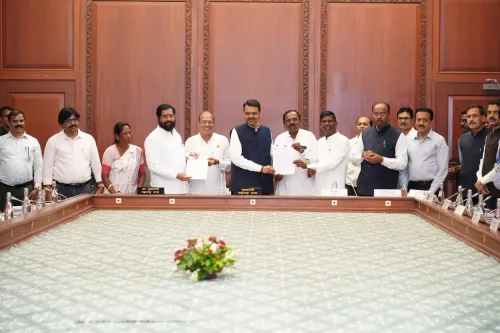
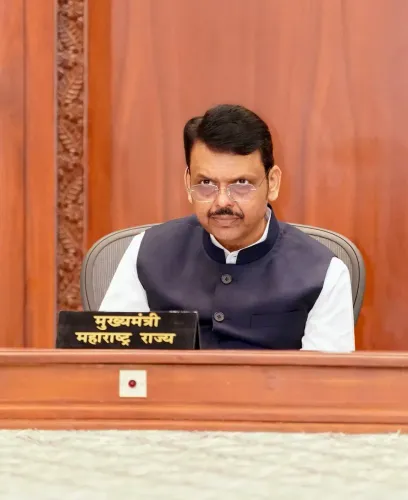
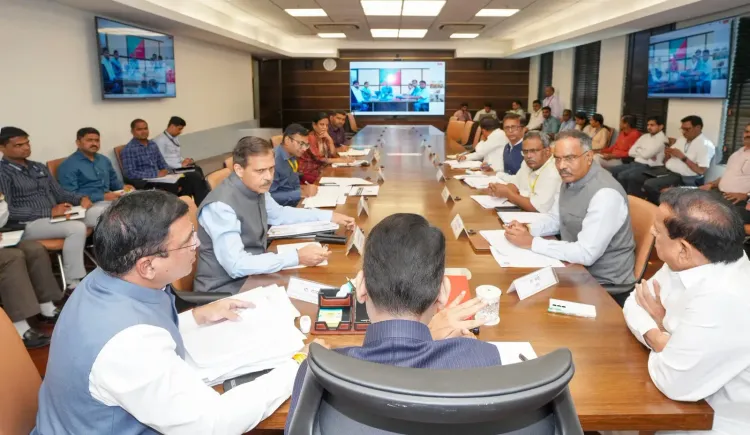
A remote tribal district's stalled future moved a step closer to resolution on Tuesday, 17 November 2026, when Chief Minister Devendra Fadnavis chaired a high-level Forest Department review at Mantralaya, Mumbai — and ordered that wildlife clearance rules stop blocking projects in areas with no actual tiger corridor presence.
Gadchiroli's Medical College and Highway: Stuck No More
Gadchiroli, one of Maharashtra's most forest-covered and tribal-dominated districts, has long watched infrastructure projects pile up in bureaucratic limbo. At Tuesday's meeting, Fadnavis drew a sharp distinction: clearances designed to protect tiger movement corridors should not apply where no such corridor exists. The government medical college proposal in Gadchiroli, he noted, falls outside any notified tiger corridor and must be operationalised immediately.
On the stalled national highway, the directive was equally pragmatic. If only 2 to 3 kilometres of a 28-kilometre stretch falls within a tiger corridor, halting the entire highway is indefensible. Work on the remaining segments, Fadnavis ordered, must restart without delay.
PARIVESH Portal to Apply Only the NTCA's 32 Notified Corridors
The Chief Minister went further, targeting the online clearance mechanism itself. He directed that the PARIVESH environmental clearance portal apply only the 32 tiger corridors officially notified by the National Tiger Conservation Authority (NTCA) — no more, no less. Unofficial or interpretive corridor zones that have informally expanded the clearance burden will no longer serve as grounds to stall projects. Widening and re-asphalting of existing roads, Fadnavis added, should face no fresh obstacles.
The National Tiger Conservation Authority is the central statutory body responsible for notifying these corridors under the Wildlife Protection Act. Its list of 32 authorised tiger movement routes is the only standard Fadnavis wants applied on the portal going forward — a move that could unlock dozens of pending files across Maharashtra's forest belts.
Bamboo-to-Ethanol: Turning the Forest Edge Into a Livelihood Belt
Beyond clearances, Fadnavis unveiled a livelihood model for farmers living on forest fringes. The Maharashtra Forest Development Corporation (MFDC) and the Maharashtra Industrial Development Corporation (MIDC) will jointly promote bamboo cultivation near protected areas, with MIDC leasing farmland, paying farmers annual rent, and establishing ethanol production units on-site.
The economic logic is compelling. Bamboo requires roughly half the water that sugarcane demands, yet carries significant ethanol-production potential. Planting bamboo near protected zones also creates a green buffer that reduces human-wildlife conflict — one of Gadchiroli's most persistent flashpoints. Large-tree felling near protected areas will be curtailed, with bamboo given planting priority in its place.
Community Forest Rights Committees to Get Fixed Tenures
The meeting also addressed governance gaps in forest rights management. Of Maharashtra's roughly 18 lakh hectares of community forest-rights land, nearly 5.5 lakh hectares are managed by gram-sabha-established committees — but those committees have had no defined term of office. Fadnavis directed that their tenure be made co-terminus with the relevant gram panchayat's term, tying democratic accountability at the village level to forest stewardship.
He also called for a transparent, scientific, and standardised operating procedure for auctioning tendu leaves and other minor forest produce — revenue streams that tribal households depend on and that have historically been prone to opacity. Forest Minister Ganesh Naik and Minister of State Adv. Ashish Jaiswal were present at the meeting alongside senior officials.
Gadchiroli has waited long enough — and the Chief Minister just told the bureaucracy the clock has run out.
Point of View
The state is essentially calling out regulatory overreach at the portal level — a move that could set a precedent for other tiger-state governments facing the same bottleneck. The bamboo-ethanol push dovetails with India's national biofuel targets and offers a politically palatable narrative of 'conservation with livelihoods' ahead of district-level elections. Whether NTCA accepts Maharashtra's reading of its own corridor maps, and whether MIDC land-leasing actually reaches smallholder tribal farmers, will determine whether Tuesday's directives translate into ground-level change.
NationPress
17 Nov 2026
Frequently Asked Questions
Why was Gadchiroli's government medical college stuck?
The medical college project was held up by wildlife clearance requirements. CM Fadnavis clarified on 17 November that the site does not fall within any notified tiger corridor and ordered the work to begin immediately.
What is the PARIVESH portal and how does it affect development in Maharashtra?
PARIVESH is the central government's online portal for environmental and forest clearances. Projects in or near tiger corridors must obtain approvals through it; Fadnavis directed that only the NTCA's 32 officially notified corridors serve as the basis for clearance conditions.
How will bamboo help tribal farmers near Maharashtra's forests?
MIDC will lease land from forest-fringe farmers, pay them annual rent, and set up ethanol production units using bamboo as feedstock. Bamboo needs half the water sugarcane requires and creates a buffer that reduces human-wildlife conflict.
What are community forest-rights committees and what changes were announced?
These are committees established by gram sabhas to manage land under the Forest Rights Act, 2006. CM Fadnavis directed that their term of office be aligned with the tenure of the respective gram panchayat to ensure democratic accountability.
What is the NTCA and why do its tiger corridor notifications matter?
The National Tiger Conservation Authority is the statutory central body that designates tiger reserves and notifies movement corridors under the Wildlife Protection Act. Its 32 notified corridors are now the only basis Maharashtra wants applied for project clearances.