CM Vijay inspects Tamil Nadu 108 emergency call centre in Chennai
Synopsis
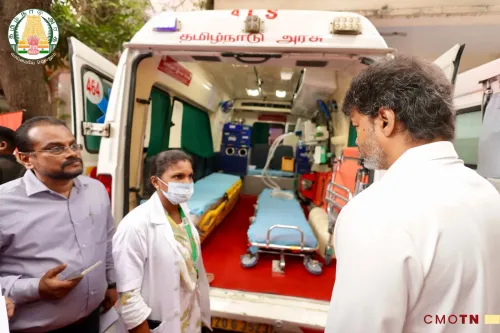
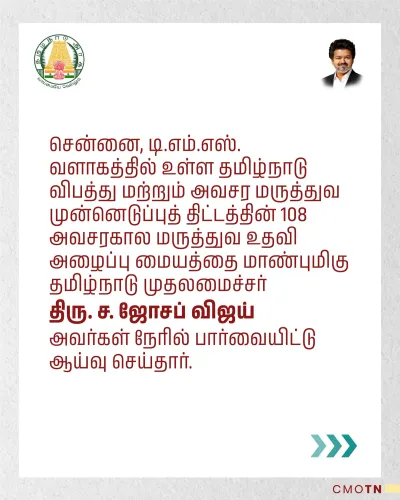
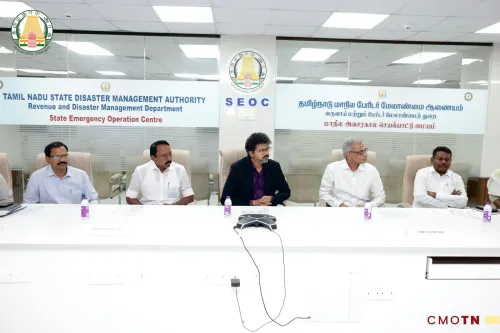
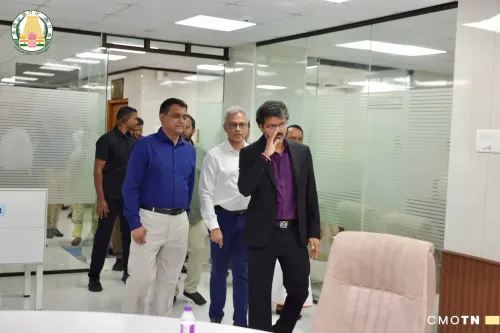
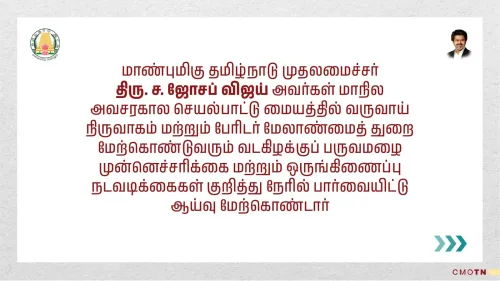
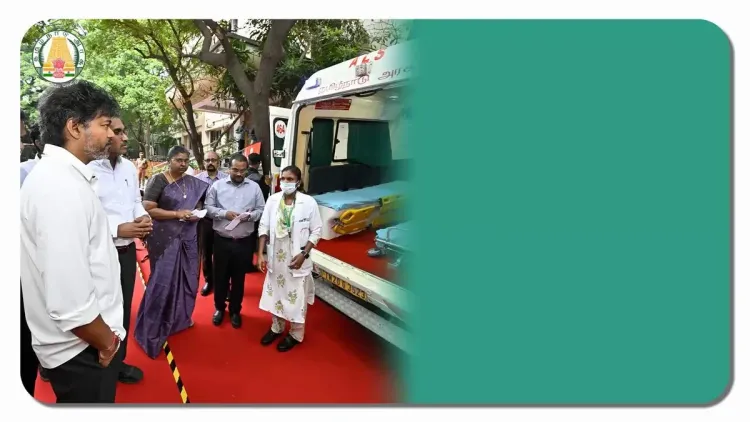
Tamil Nadu Chief Minister Joseph Vijay inspected the 108 Emergency Medical Services call centre at the DMS Complex in Chennai on 17 November 2026, reviewing the state's accident and emergency medical response operations.
Key Takeaways
CM Joseph Vijay personally visited and reviewed the 108 Emergency Medical Services call centre at the DMS Complex, Chennai on 17 November 2026 .
The 108 service is Tamil Nadu's toll-free ambulance and emergency response network, operational since 2008 .
The call centre coordinates ambulance dispatch, real-time tracking, and hospital linkages across all districts of Tamil Nadu.
The visit is part of a broader pattern of political-executive reviews of emergency health infrastructure in southern states, aimed at assessing efficiency and response times.
Follow-up announcements on call-centre technology upgrades or revised ambulance response-time benchmarks are anticipated.
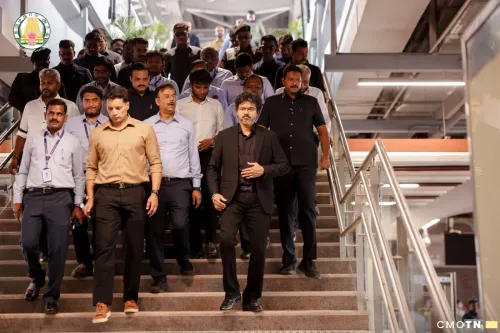
When a state's chief minister walks into the control room that handles its most critical calls — the ones from accident sites and collapsing patients — it signals more than a routine visit. Tamil Nadu Chief Minister Joseph Vijay personally inspected the 108 Emergency Medical Services call centre at the Directorate of Medical Services (DMS) Complex, Chennai, on Tuesday, 17 November 2026, reviewing the operations of the state's frontline accident and emergency medical response network.
What the 108 centre does — and why it matters
The 108 Emergency Medical Service is Tamil Nadu's toll-free, round-the-clock ambulance and emergency response network, launched in 2008 under the state health department. Every call routed through this centre can mean the difference between life and death for accident victims and patients in acute medical crisis across the state.
The DMS Complex in Chennai serves as the administrative and operational nerve centre for the state's health programmes. The 108 call centre housed here coordinates ambulance dispatch, hospital linkages, and real-time response tracking across Tamil Nadu's districts.
A hands-on review of emergency response systems
Chief Minister Vijay's inspection focused on the working of the Tamil Nadu Accident and Emergency Medical Services programme — the broader initiative under which the 108 service operates. Such reviews by the political executive are a standard, recurring practice among southern state governments, typically assessing call-handling efficiency, ambulance dispatch times, and coordination protocols with government hospitals.
State governments across India periodically subject their 108 infrastructure to scrutiny precisely because delays in emergency response are a measurable and preventable cause of mortality. A chief minister-level visit raises the administrative stakes — it signals that any gaps identified are likely to draw swift follow-up.
What to watch next
The inspection now sets the stage for possible announcements on technology upgrades to the call centre, revised ambulance deployment norms, or improved response-time benchmarks from the health department. Tamil Nadu's 108 network, operational for over sixteen years, has been a model referenced by other states — but emergency infrastructure demands continuous modernisation to match growing demand.
Whether Tuesday's visit translates into concrete policy directives will become clear in the health department's follow-up reviews. For now, the message from the Chief Minister's Office is unambiguous: emergency medical response is on the government's direct radar.
Point of View
Now over sixteen years old, faces the classic challenge of legacy infrastructure: reliable but potentially under-resourced against rising demand. This visit fits into a broader southern-state pattern of using high-visibility inspections to accelerate bureaucratic action without formal policy announcements. The real measure will come in what the health department tables next.
NationPress
17 Nov 2026
Frequently Asked Questions
What is Tamil Nadu's 108 emergency service?
The 108 service is Tamil Nadu's toll-free, statewide ambulance and emergency medical response network launched in 2008 under the state health department to assist accident victims and patients in acute medical crisis.
Where is the 108 call centre located in Chennai?
The 108 Emergency Medical Services call centre operates from the Directorate of Medical Services (DMS) Complex in Chennai, which is the headquarters for the state's health administration.
Why did CM Joseph Vijay visit the 108 call centre?
CM Joseph Vijay inspected the centre to personally review the operations of the Tamil Nadu Accident and Emergency Medical Services programme, assessing call-handling and ambulance dispatch systems.
When was the 108 ambulance service started in Tamil Nadu?
Tamil Nadu launched the 108 ambulance service in 2008 as a core part of its emergency medical response infrastructure.
What could follow the Tamil Nadu CM's inspection of the 108 centre?
The inspection may lead to announcements on upgrades to call-centre technology, revised ambulance deployment norms, or improved response-time benchmarks from the state health department.