CM Dhami Announces Baini-Bhuli Yojana for 5 Lakh Women
Synopsis
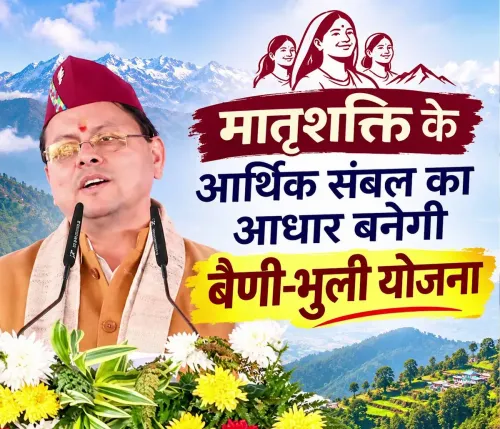
Chief Minister Pushkar Singh Dhami has announced the Baini-Bhuli Yojana, pledging economic support to over 5 lakh women in Uttarakhand. The scheme, whose name draws on the state's hill cultural vocabulary, targets mothers and women across the state, with implementation details yet to be formally notified.
Key Takeaways
CM Pushkar Singh Dhami announced the Baini-Bhuli Yojana on November 17, 2026 .
The scheme aims to provide economic support (aarthik sambal) to more than 5 lakh (500,000) women in Uttarakhand.
The scheme's name — baini (sister) and bhuli (younger sister/daughter) — draws on Garhwali and Kumaoni cultural vocabulary.
Eligibility criteria, budget allocation, and transfer mechanisms have not yet been officially notified.
The announcement aligns with the Dhami government's pattern of women-centric welfare initiatives in a state where male out-migration places heavy burdens on women.
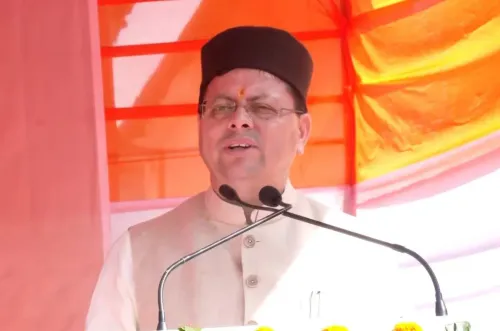
Over 5 lakh women across Uttarakhand are set to receive direct economic support under a new state welfare initiative — a signal that Chief Minister Pushkar Singh Dhami is doubling down on women-centric schemes as a centrepiece of the state's development agenda.
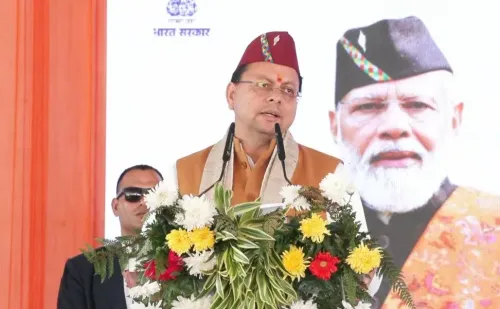
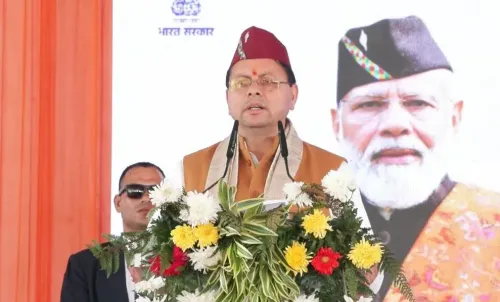
The Chief Minister's Office of Uttarakhand posted on Tuesday, November 17, 2026, quoting CM Dhami: 'Baini-Bhuli Yojana ke madhyam se pradesh ki 5 lakh se adhik matrashakti ko aarthik sambal pradan kiya jayega' — meaning, 'Through the Baini-Bhuli Yojana, economic support will be provided to more than 5 lakh mothers of the state.'
What the Baini-Bhuli Yojana Promises
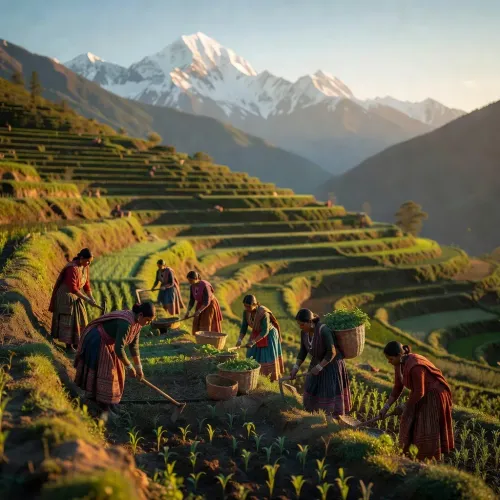
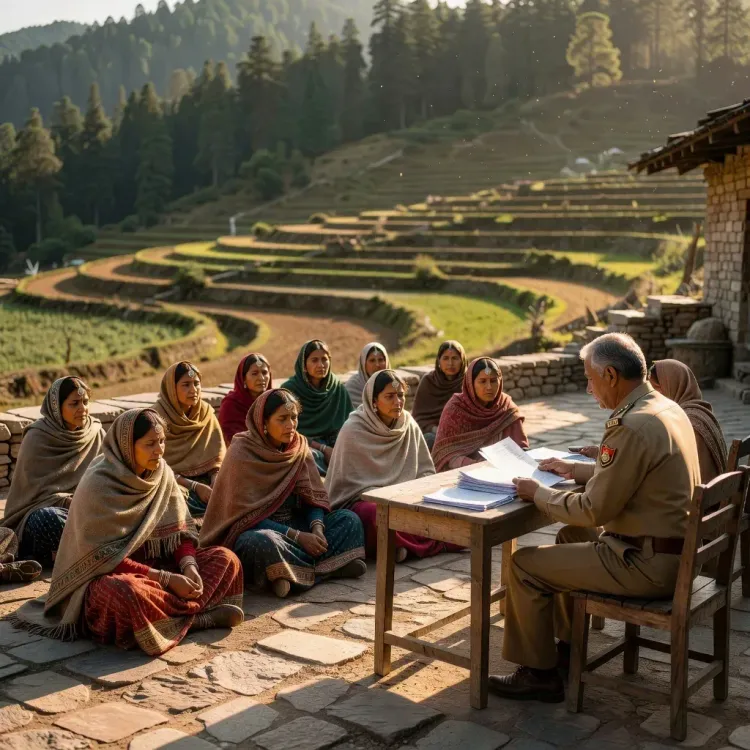
The scheme's name itself carries cultural weight: baini (sister) and bhuli (a Garhwali/Kumaoni term of endearment for a younger sister or daughter) evoke the deeply rooted familial bonds of Uttarakhand's hill communities. By anchoring the scheme in that language, the government is making a pointed appeal to the state's large population of women who shoulder both domestic and agricultural labour in often-remote mountain terrain.
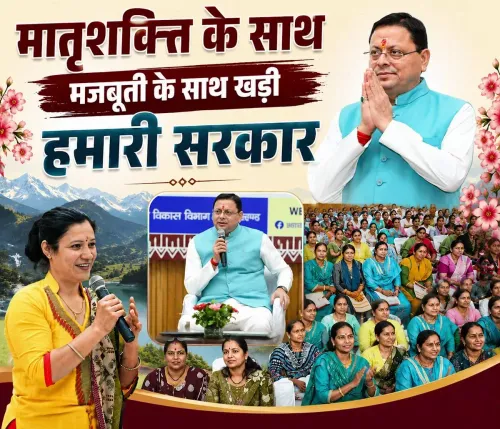
The declared aim is aarthik sambal — financial support or economic reinforcement — for over 5 lakh (500,000) women identified as matrashakti, a term the Dhami administration has used consistently to describe mothers and women as pillars of societal strength.
Dhami's Broader Push on Women's Economic Inclusion
Pushkar Singh Dhami, who has served as Chief Minister of Uttarakhand since 2021, has repeatedly positioned women's welfare at the centre of his governance pitch. Uttarakhand, a northern hill state carved out of Uttar Pradesh in 2000, faces specific structural challenges: out-migration of working-age men leaves a disproportionate share of agricultural and household responsibility with women, particularly in rural and tribal belts.
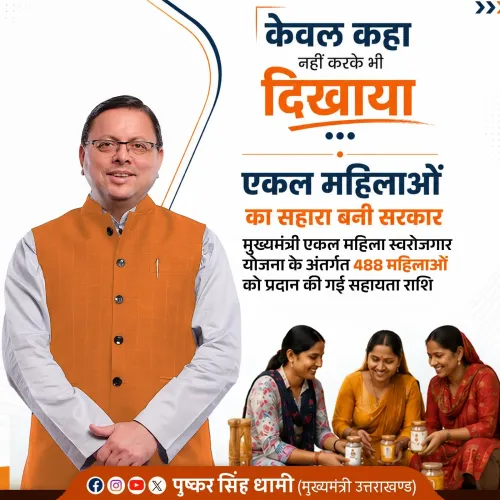
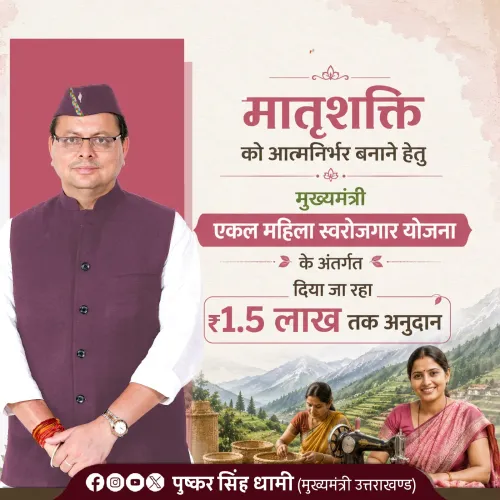
Targeted welfare schemes for women in such geographies — covering financial transfers, self-help group support, and skill development — have emerged as a consistent policy lever across Indian hill and northeastern states. The Baini-Bhuli Yojana, if implemented at the scale announced, would rank among the larger single-scheme beneficiary outreaches the Dhami government has flagged to date.
Details Still to Come
Eligibility criteria, the mechanism of financial transfer, and the precise budget allocation for the scheme have not yet been made public. These specifics are expected to be fleshed out in official government notifications or the upcoming state budget cycle. The scale — over half a million direct beneficiaries — means the fiscal architecture and administrative delivery pipeline will face close scrutiny.
For Uttarakhand's women, particularly those in its hill districts where banking access and income stability remain uneven, the gap between announcement and implementation will be the story that matters most.
Point of View
Designed to consolidate women voters while addressing genuine structural inequity in regions marked by male out-migration. At over 5 lakh intended beneficiaries, the scheme's political footprint is significant — Uttarakhand's total electorate is roughly 83 lakh, and mobilising even a fraction of direct beneficiaries matters. The real test, however, will be whether the fiscal and administrative scaffolding can match the headline ambition, a challenge that has tripped up similarly framed schemes in other hill states.
NationPress
17 Nov 2026
Frequently Asked Questions
What is the Baini-Bhuli Yojana in Uttarakhand?
The Baini-Bhuli Yojana is a welfare scheme announced by Uttarakhand Chief Minister Pushkar Singh Dhami to provide economic support to over 5 lakh women in the state. Detailed eligibility and implementation norms are yet to be officially notified.
How many women will benefit from the Baini-Bhuli Yojana?
CM Dhami has stated that more than 5 lakh (500,000) women — referred to as matrashakti — will receive economic support through the scheme.
What does 'Baini-Bhuli' mean?
'Baini' means sister and 'Bhuli' is a Garhwali and Kumaoni term of endearment for a younger sister or daughter, rooting the scheme in Uttarakhand's hill cultural identity.
Who announced the Baini-Bhuli Yojana?
Chief Minister Pushkar Singh Dhami of Uttarakhand announced the scheme, with the official post shared by the Chief Minister's Office on November 17, 2026.
When will the Baini-Bhuli Yojana be implemented?
A formal implementation timeline has not been announced. Details on eligibility, budget, and rollout are expected through official government notifications or the upcoming state budget session.