Rijiju: Modi views Golden Tara, Laguna Copperplate in Philippines
Synopsis
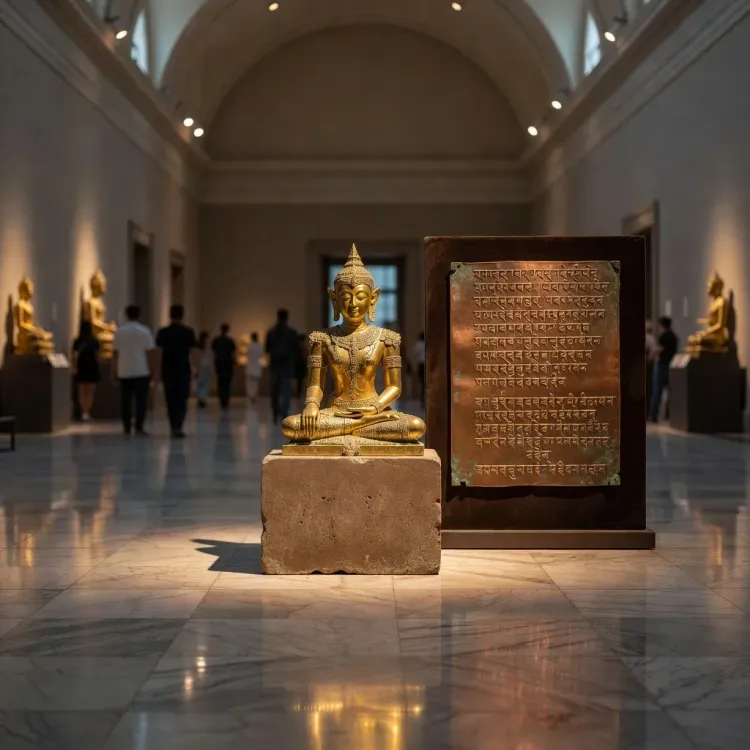
Union Minister Kiren Rijiju shared PM Modi's visit to the Golden Tara statue and the 10th-century Laguna Copperplate in the Philippines, spotlighting centuries-old India-Philippines civilisational ties as part of India's Act East soft-power diplomacy.
Key Takeaways
PM Narendra Modi viewed the Golden Tara statue and examined the Laguna Copperplate during his Philippines visit on 17 November 2026 .
The Laguna Copperplate , dated to 900 CE , is the oldest known written document found in the Philippines and carries Indic script influences.
The Golden Tara of Agusan is a pre-colonial golden figurine linked to the goddess Tara, revered in both Hindu and Buddhist traditions, underscoring ancient Indic cultural reach in Southeast Asia.
Union Minister Kiren Rijiju described the artefacts as reflecting the 'shared historical and cultural legacy' of India and the Philippines.
The visit falls within India's Act East Policy framework, which uses cultural diplomacy alongside trade and defence engagement across ASEAN nations.
Diplomatic observers are watching for MoUs on heritage preservation and cultural exchanges that may follow the high-level engagement.
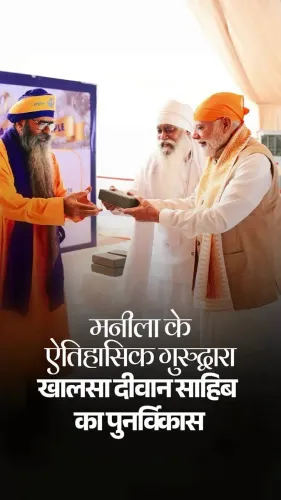
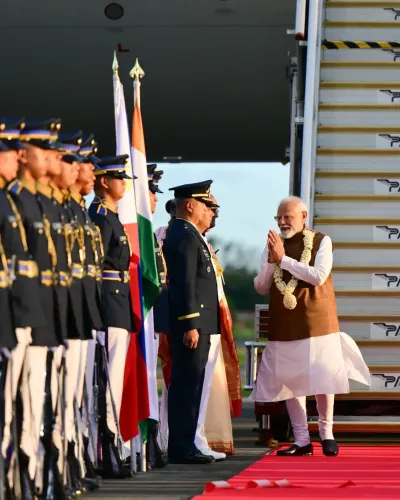
A 10th-century copperplate and a gilded medieval statue — two artefacts separated by centuries — became the centrepiece of Prime Minister Narendra Modi's cultural diplomacy in the Philippines on Tuesday, 17 November 2026, as Union Parliamentary Affairs Minister Kiren Rijiju highlighted the moment on X, calling it a glimpse of centuries-old civilisational bonds between the two nations.
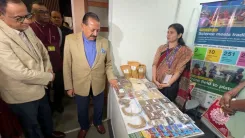
Posting in Hindi, Rijiju wrote: 'भारत और फिलीपींस के सदियों पुराने सांस्कृतिक संबंधों की झलक!' ('A glimpse of the centuries-old cultural ties between India and the Philippines!') He noted that the Prime Minister viewed the historic Golden Tara statue and examined the Laguna Copperplate — describing both as heritage objects that reflect the 'shared historical and cultural legacy' of the two countries.What the Laguna Copperplate actually says about ancient India-Philippines links
The Laguna Copperplate is no decorative exhibit. Discovered in the Philippines and dated to 900 CE, it is the oldest known written document found in the archipelago and carries unmistakable Indic script influences — Old Malay rendered in a script closely related to those used across South and Southeast Asia at the height of maritime trade networks. For historians, it is hard evidence that the Indian subcontinent and the Philippine islands were connected long before European colonisation, through merchant routes, religious transmission, and cultural exchange.
The Golden Tara of Agusan, a pre-colonial golden figurine associated with the goddess Tara — revered in both Buddhist and Hindu traditions — reinforces the same story. Its very existence in the southern Philippines speaks to the reach of Indic civilisation across maritime Southeast Asia. Together, these two objects make an unusually compelling diplomatic exhibit.
Act East in action: soft power as statecraft
India's Act East Policy, announced in 2014, was always about more than trade corridors and defence pacts. Cultural diplomacy — the deliberate invocation of shared heritage — has been a consistent thread running through every high-level Indian engagement with ASEAN nations. Visits to Buddhist temples in Myanmar, references to the Ramayana tradition in Indonesia and Thailand, and now the Golden Tara and Laguna Copperplate in the Philippines: the pattern is deliberate and well-established.
By anchoring a bilateral visit in a 1,100-year-old inscription, New Delhi signals that the relationship is not transactional — it is civilisational. That framing matters enormously in a region where China's economic and strategic footprint grows larger by the year. Shared antiquity is a form of strategic depth.
What may follow from Manila
High-profile cultural moments during state visits typically precede or accompany concrete deliverables. Diplomatic observers will watch for any joint statements or Memoranda of Understanding on heritage preservation, cultural exchanges, or people-to-people ties that the Modi-Philippines engagement may produce. The cultural framing, vivid as it is, is usually the curtain-raiser — the trade and security chapters follow close behind.
Minister Rijiju's post carries the hashtags #PMModiInPhilippines and #IndiaPhilippinesRelations — a signal that New Delhi wants this visit remembered not just as a diplomatic calendar entry, but as a chapter in a much longer story. A story, as the Laguna Copperplate reminds us, that is already over a thousand years old.
Point of View
New Delhi is making a calculated soft-power argument: that India's relationship with the Philippines predates every modern alliance and cannot be reduced to transactional interest. This sits squarely within the cultural-diplomacy strand of the Act East Policy, which has consistently deployed shared Indic heritage as a form of strategic differentiation from China's purely economic courtship of ASEAN. Rijiju's amplification of the moment from a senior domestic platform suggests the government wants this civilisational framing absorbed by an Indian domestic audience as much as a Filipino one. If concrete MoUs on heritage or people-to-people ties follow, the optics will have done their preparatory work.
NationPress
17 Nov 2026
Frequently Asked Questions
What is the Laguna Copperplate and why is it significant for India?
The Laguna Copperplate, dated to 900 CE , is the oldest known written document found in the Philippines. It carries Indic script influences and Old Malay text, serving as hard evidence of ancient maritime and cultural connections between the Indian subcontinent and the Philippine archipelago.
What is the Golden Tara statue that PM Modi viewed in the Philippines?
The Golden Tara of Agusan is a pre-colonial golden figurine found in the southern Philippines, associated with the goddess Tara who is venerated in both Hindu and Buddhist traditions. It is considered evidence of the spread of Indic civilisation across maritime Southeast Asia.
What is India's Act East Policy and how does it relate to the Philippines visit?
India's Act East Policy , announced in 2014 , aims to deepen economic, strategic, and cultural engagement with ASEAN nations including the Philippines. Cultural diplomacy — invoking shared heritage artefacts — is a core tool under this policy.
Why did Kiren Rijiju post about PM Modi's Philippines visit?
As a senior BJP minister and Union Parliamentary Affairs Minister, Kiren Rijiju regularly amplifies key diplomatic moments on social media to highlight the government's foreign policy achievements and civilisational approach to India's engagement with Southeast Asia.
What could come next after PM Modi's cultural visit to the Philippines?
Diplomatic observers are watching for Memoranda of Understanding on heritage preservation and cultural exchanges. High-level cultural engagements during state visits typically accompany or precede concrete deliverables on trade and defence cooperation.