CM Rekha Gupta on PM Modi's Philippines Visit and Ram's Cultural Legacy
Synopsis
Delhi CM Rekha Gupta marked PM Modi's Philippines visit by highlighting the Ramayana's civilizational thread connecting Manila to Ayodhya, reinforcing India's soft-power Act East strategy across Southeast Asia.
Key Takeaways
Delhi CM Rekha Gupta posted on November 17, 2026 , marking PM Modi 's visit to the Philippines with a cultural diplomacy message.
Gupta invoked the journey of Lord Ram's values across generations, from Manila to Ayodhya .
The Philippines has documented historical ties to Ramayana traditions through the Maranao epic Maharadia Lawana .
India's Act East Policy (launched 2014) has consistently used civilizational and cultural outreach as a pillar of ASEAN engagement.
The post signals BJP party-wide alignment with the civilizational soft-power framing of PM Modi 's foreign diplomacy.
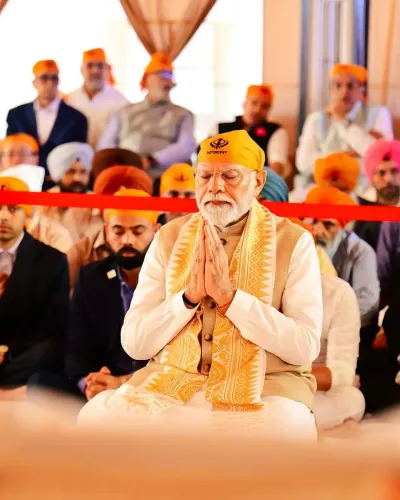
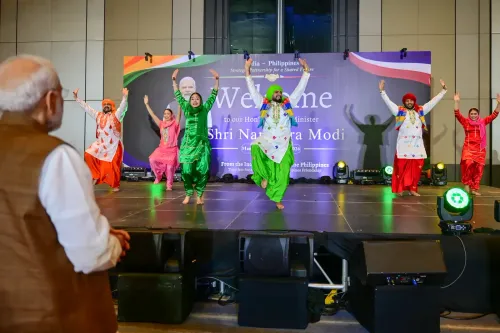
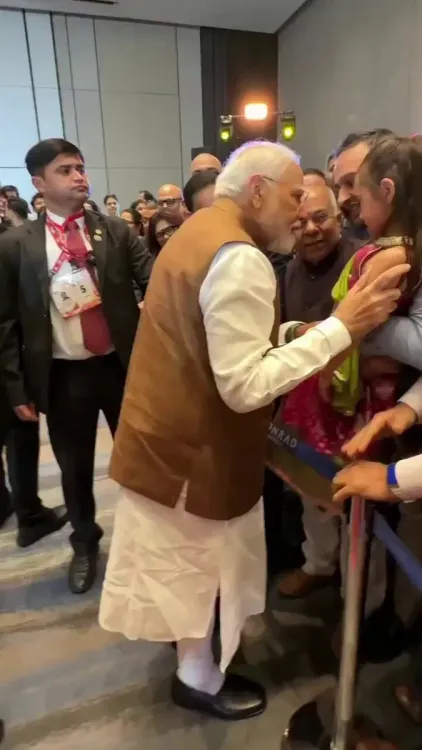
From Manila to Ayodhya, the story of Lord Ram travels across generations and oceans — and Delhi Chief Minister Rekha Gupta wants the world to know it. On Tuesday, November 17, 2026, Gupta posted on X to mark Prime Minister Narendra Modi's visit to the Philippines, invoking the civilizational thread that ties Southeast Asia to the Indian subcontinent through the enduring presence of Ramayana traditions.
Gupta wrote, 'मनीला की धरती, भारत के संस्कार!' — 'Manila's soil, India's values!' — adding that the teachings of Shri Ram have connected hearts across generations, from Manila to Ayodhya. The post, tagged #PMModiInPhilippines, positions the diplomatic visit not merely as a bilateral engagement but as a reunion of civilizational kinship.
Ramayana's quiet presence across Southeast Asia
The connection Gupta invokes is rooted in documented history. The Ramayana epic found its way into the cultural and artistic traditions of several Southeast Asian nations long before the modern era — the Filipino Maharadia Lawana, a Maranao epic, is widely regarded by scholars as a local descendant of the Ramayana tradition. This shared heritage forms the bedrock of the civilizational diplomacy that Indian leaders have leaned into repeatedly during visits to the region.
Ayodhya, the city in Uttar Pradesh traditionally revered as the birthplace of Lord Ram, sits at the symbolic heart of this outreach. Its consecrated stature — amplified after the Ram Temple's inauguration in January 2024 — gives Indian leaders a powerful cultural anchor when projecting soft power eastward.
Act East, powered by civilizational messaging
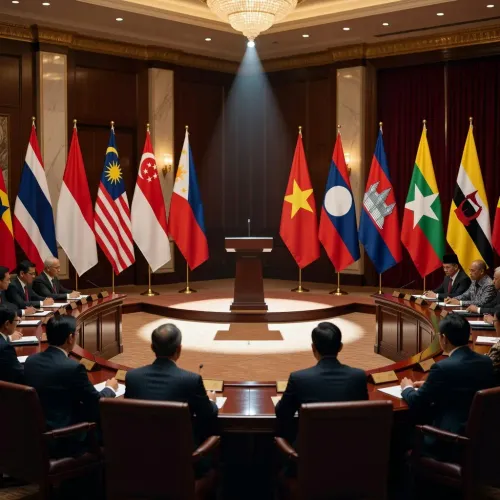
India's Act East Policy, upgraded from the earlier Look East framework in 2014, has steadily woven cultural diplomacy into its strategic architecture across ASEAN nations. The Philippines, as an ASEAN member, sits squarely within that orbit. References to the Ramayana during Southeast Asian diplomatic visits have become a recurring signature of this approach — a soft-power complement to the harder negotiations on trade, defence cooperation, and maritime connectivity.
Gupta's post amplifies that message from the Delhi CM's chair, signalling party-wide alignment with the civilizational framing of PM Modi's diplomatic trip. For the Indian diaspora in the Philippines and across Southeast Asia, the resonance is immediate and personal.
When ancient epics become the language of modern diplomacy, borders dissolve a little — and that, by design, is exactly the point.
Point of View
Lending PM Modi's Philippines trip an emotional and cultural weight beyond the summit table. This approach, embedded in the Act East Policy since 2014, has deepened as Ayodhya's global profile rose after the Ram Temple's consecration. The broader pattern to watch: whether cultural diplomacy in Southeast Asia translates into concrete outcomes on defence corridors, maritime partnerships, or diaspora-linked investment flows.
NationPress
17 Nov 2026
Frequently Asked Questions
Why did CM Rekha Gupta mention Manila and Ayodhya together?
CM Gupta referenced the shared Ramayana heritage between the Philippines and India, drawing a civilizational link from Manila to Ayodhya to mark PM Modi's diplomatic visit to the Philippines in November 2026.
What is the Ramayana connection between India and the Philippines?
The Philippines has historical cultural ties to the Ramayana through the Maranao epic 'Maharadia Lawana', widely considered a Southeast Asian descendant of the Ramayana tradition, reflecting ancient Indian civilizational influence in the region.
What is India's Act East Policy?
India's Act East Policy, upgraded from Look East in 2014, is a strategic framework to deepen India's economic, cultural, and diplomatic engagement with ASEAN nations, including the Philippines, across trade, defence, and civilizational outreach.
What was PM Modi doing in the Philippines in November 2026?
PM Modi was on a diplomatic visit to the Philippines, tagged #PMModiInPhilippines on social media, though specific bilateral outcomes of the visit were not detailed in the post. Watch for announcements on trade, defence, and cultural programmes.
How does the Ram Temple in Ayodhya factor into India's foreign policy?
Since the Ram Temple's consecration in January 2024, Ayodhya has become a sharper cultural anchor in India's soft-power diplomacy, particularly in Southeast Asia where Ramayana traditions hold historical resonance.