CM Rekha Gupta Hails Modi's 12 Years of Culture and Growth
Synopsis
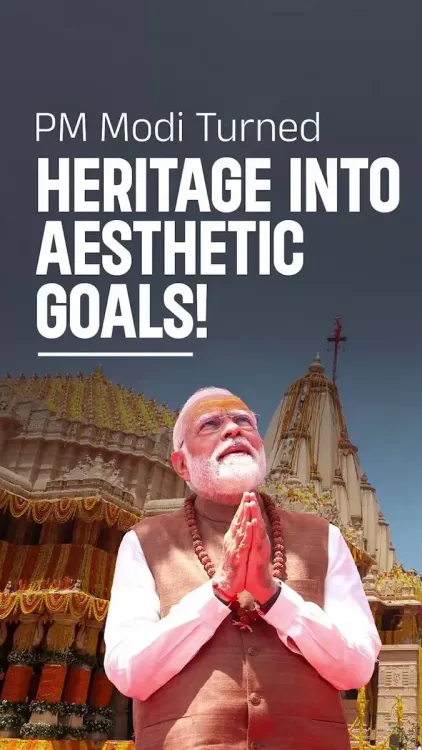
Delhi Chief Minister Rekha Gupta credited PM Modi with renewing India's civilisational confidence over 12 years, pointing to the Ram Mandir consecration, Kedarnath rejuvenation, and artefact repatriation as evidence of the BJP's 'Vikas Bhi, Virasat Bhi' doctrine.
Key Takeaways
Delhi CM Rekha Gupta posted on 18 June 2026 marking 12 years of Modi-led governance with a focus on heritage revival.
The Ram Mandir in Ayodhya was consecrated in January 2024 following a 2019 Supreme Court verdict.
The Kedarnath temple complex received sustained central support for reconstruction after the devastating 2013 floods .
India has pursued repatriation of stolen antiquities through diplomatic agreements and MoUs signed with multiple countries since 2014 .
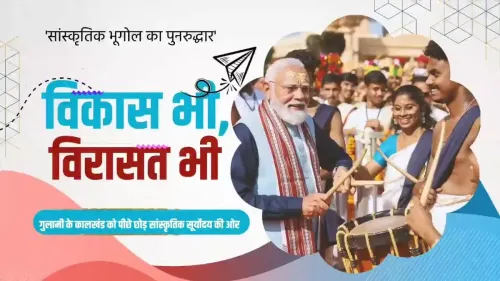
The slogan 'Vikas Bhi, Virasat Bhi' frames development and cultural revival as complementary pillars of BJP governance.
Heritage policy is expected to remain prominent as India moves toward the 2029 general elections .
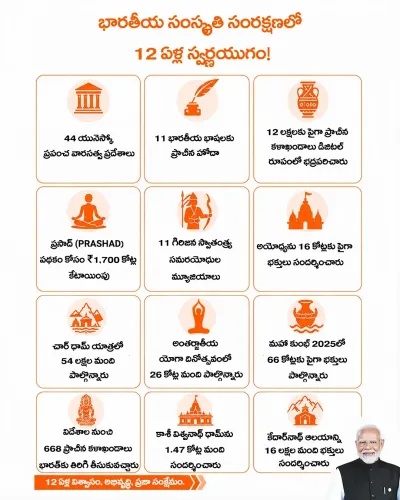
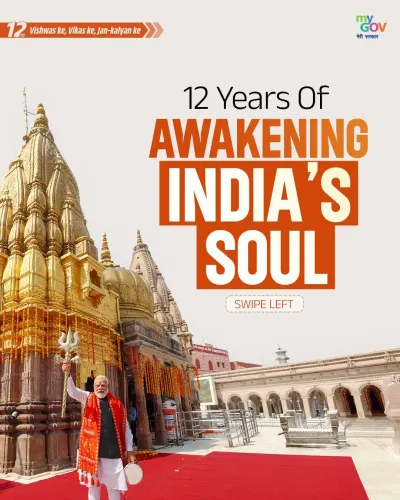
Delhi Chief Minister Rekha Gupta on Thursday, 18 June 2026, credited Prime Minister Narendra Modi with renewing India's civilisational confidence over the past 12 years, citing landmark religious and heritage milestones ranging from the construction of the Ram Mandir in Ayodhya to the rejuvenation of Kedarnath and the repatriation of stolen artefacts.
Context
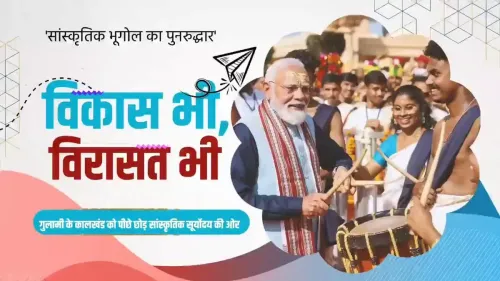
Gupta's post, shared under the hashtag #12YearsOfVikasBhiVirasatBhi, frames Modi's tenure as a period in which 'modern infrastructure and economic growth advance alongside cultural resurgence.' She argues that a 'rising Bharat remains rooted in its timeless values and civilisational ethos,' tying economic development directly to the preservation of ancient knowledge traditions.
The statement comes as the BJP marks over a decade of governance at the Centre, with senior party leaders across states amplifying a unified messaging campaign around the dual promise of development and heritage revival.
Policy Backdrop
The Ram Mandir in Ayodhya was consecrated in January 2024, following a 2019 Supreme Court verdict that allocated the disputed site for temple construction. The project became one of the most visible symbols of the BJP government's cultural agenda.
The Kedarnath temple complex, damaged severely in the 2013 floods, received sustained central government support for reconstruction and beautification over the past decade. Separately, India accelerated the repatriation of antiquities through diplomatic agreements and memoranda of understanding signed with multiple countries after 2014, recovering artefacts that had been taken abroad over centuries.
The phrase 'Vikas Bhi, Virasat Bhi' — meaning 'Development Too, Heritage Too' — was formalised as a campaign plank during the 2024 general election cycle, positioning economic progress and civilisational revival as complementary rather than competing goals.
Stakeholders and Impact
The messaging is directed primarily at Hindu devotees, heritage organisations, and voters who associate cultural identity with national pride. By invoking sites such as Ayodhya and Kedarnath alongside the broader repatriation drive, the BJP seeks to consolidate a constituency that views state investment in religious and historical heritage as a legitimate governance priority.
Critics of the approach have argued that public resources directed toward religious infrastructure should be weighed against competing developmental needs, though the government maintains that cultural investment and economic growth are not mutually exclusive.
What's Next
With the 2029 general elections on the horizon, heritage policy is expected to remain a live issue. Observers will watch for further artefact repatriation announcements, new state-level cultural schemes, and whether the 'Vikas Bhi, Virasat Bhi' framework is extended into a formal second-term policy architecture. Delhi under Chief Minister Gupta is also likely to align its own cultural programmes with the broader national narrative the BJP is constructing around this anniversary.
Point of View
Reinforcing the 'Vikas Bhi, Virasat Bhi' brand at a moment when the party is consolidating its cultural-nationalist record ahead of 2029. By anchoring the message in tangible milestones — Ayodhya, Kedarnath, artefact returns — the Delhi CM translates an abstract civilisational argument into verifiable governance deliverables. This signals that cultural heritage will not recede as a political theme but will instead be institutionalised further, potentially through new state-level schemes. The framing also serves Gupta's own positioning as a credible BJP voice in the national capital, where the party has historically competed for cultural legitimacy.
NationPress
19 Sept 2026
Frequently Asked Questions
What is 'Vikas Bhi, Virasat Bhi' and what does it mean?
'Vikas Bhi, Virasat Bhi' is a BJP policy phrase meaning 'Development Too, Heritage Too.' It frames economic growth and cultural or religious revival as parallel, complementary goals of the Modi government, and was a prominent slogan during the 2024 general election campaign.
When was the Ram Mandir in Ayodhya consecrated?
The Ram Mandir in Ayodhya was consecrated in January 2024, following a 2019 Supreme Court verdict that allocated the disputed site for temple construction.
What happened to Kedarnath under the Modi government?
The Kedarnath temple complex, severely damaged in the 2013 floods, received sustained central government funding and support for reconstruction and beautification over the past decade, making it a flagship heritage project of the BJP administration.
How many artefacts has India repatriated under Modi?
India has accelerated the return of antiquities through diplomatic agreements and MoUs with multiple countries since 2014. The precise number of items recovered remains a matter of ongoing official documentation and has not been independently verified.
Why is Delhi CM Rekha Gupta commenting on Modi's national record?
As a senior BJP leader and Delhi Chief Minister, Rekha Gupta regularly amplifies the party's central government messaging. Her post is part of a broader coordinated campaign among BJP leaders marking 12 years of Modi-led governance.