CM Rekha Gupta Hails 12 Years of Modi's Heritage-Development Vision
Synopsis
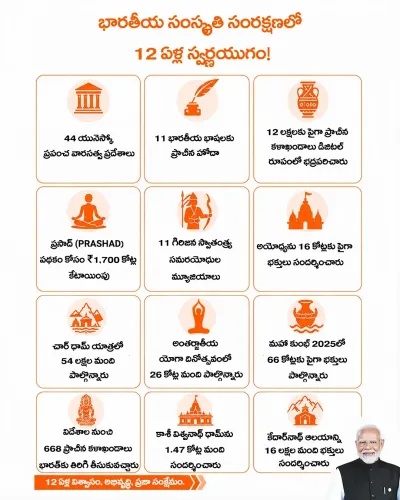
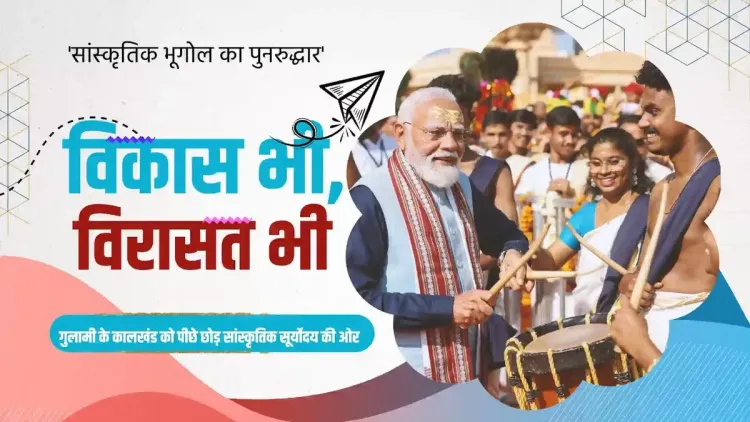
Delhi Chief Minister Rekha Gupta marked 12 years of PM Modi's 'Vikas bhi, Virasat bhi' vision, highlighting the return of 668 artefacts, digitisation of over 12 lakh antiquities, and landmark temple revivals at Ayodhya, Varanasi, Kedarnath, Somnath, and Ujjain.
Key Takeaways
Delhi CM Rekha Gupta publicly endorsed PM Narendra Modi's 12-year cultural-heritage and development record on 18 June 2026 .
India has reportedly repatriated 668 ancient artefacts and digitised over 12 lakh antiquities under the current central government.
Major temple projects cited include the Ram Mandir (Ayodhya) , Kashi Vishwanath Corridor (Varanasi) , Kedarnath revival , Somnath development , and Mahakal Lok (Ujjain) .
The government has accorded classical-language status to 11 languages and pursued protection of UNESCO-recognised heritage sites .
Pilgrimage-site redevelopment under the PRASAD scheme (launched 2014-15 ) has strengthened local economies and generated new livelihoods.
The post is part of a coordinated #12YearsOfVikasBhiVirasatBhi campaign marking a BJP government anniversary.
Delhi Chief Minister Rekha Gupta on Thursday, 18 June 2026, credited Prime Minister Narendra Modi's governing philosophy of 'Vikas bhi, Virasat bhi' ('Development as well as Heritage') for steering India away from what she called a colonial mindset and towards its civilisational roots, marking 12 years of that policy direction.
Context
Gupta's post, written in Hindi, describes the past 12 years as an 'uninterrupted journey' that blends cultural pride, nationwide development, and public welfare. She cited the return of 668 ancient artefacts to India and the digitisation of more than 12 lakh antiquities as evidence of the government's commitment to safeguarding heritage. She also highlighted the preservation of UNESCO-recognised heritage sites and the conferment of classical-language status on 11 languages as markers of civilisational fidelity.
The post carries the hashtag #12YearsOfVikasBhiVirasatBhi, suggesting a coordinated social-media campaign timed to the anniversary of the BJP-led central government completing a dozen years in office.
Policy Backdrop
The cultural-heritage thrust Gupta references has a traceable policy lineage. The central government launched the PRASAD (Pilgrimage Rejuvenation and Spiritual Augmentation Drive) scheme in 2014-15 to fund infrastructure at major pilgrimage centres across the country. That framework provided a financial backbone for several of the projects she names.
The Kashi Vishwanath Corridor in Varanasi was inaugurated in 2021, expanding access and facilities for pilgrims at one of Hinduism's most revered sites. The consecration of the Ram Mandir in Ayodhya followed in January 2024, after a Supreme Court verdict cleared the path for construction. Gupta's post also singles out the revival of Kedarnath, the development of Somnath temple, and the creation of Mahakal Lok in Ujjain — the last developed in phases after 2017 — as milestones that honour the faith of crores of devotees.
On the antiquities front, successive repatriation agreements with foreign governments between 2014 and 2023 have brought back artefacts that had left India through legal and illicit channels over decades. The digitisation drive runs in parallel, aiming to create an accessible public record of India's archaeological wealth.
Stakeholders and Impact
The temple corridor and pilgrimage-site redevelopment projects have generated tangible economic spillovers for local communities. Increased pilgrim footfall at sites such as Varanasi, Ayodhya, and Ujjain has expanded demand for hospitality, retail, and transport services, creating new livelihood opportunities for traders and small businesses in those towns.
The digitisation of antiquities and repatriation of artefacts serve a dual audience: scholars and researchers who gain improved access to India's material history, and a broader public whose sense of national identity is reinforced by the visible return of cultural property. UNESCO recognition of additional Indian sites, pursued through formal nomination processes, adds an international dimension to the domestic heritage agenda.
What's Next
With the 12-year milestone being marked through a visible social-media push, further state and central budget allocations for temple corridor projects are expected in the next annual cycle. New UNESCO nomination files for Indian sites are also being tracked by heritage observers. Gupta's alignment with the campaign signals that BJP-governed states intend to keep the cultural-heritage narrative prominent in public communication ahead of upcoming electoral cycles. India's positioning on the global cultural stage — through repatriated artefacts, restored pilgrimage infrastructure, and classical-language recognition — is set to remain a central plank of the ruling party's identity politics.
Point of View
Tying visible infrastructure projects to a deeper story of cultural reclamation. The 'Vikas bhi, Virasat bhi' framing is strategically potent because it pre-empts the charge that religious-site development comes at the expense of material progress, instead presenting the two as inseparable. By invoking specific numbers — artefacts returned, antiquities digitised, languages recognised — the post attempts to shift the discourse from sentiment to governance record. As electoral cycles approach, this kind of coordinated messaging from chief ministers signals that cultural heritage will remain a primary mobilisation tool for the BJP's national and state campaigns.
NationPress
19 Sept 2026
Frequently Asked Questions
What is the 'Vikas bhi, Virasat bhi' policy?
'Vikas bhi, Virasat bhi' — meaning 'Development as well as Heritage' — is a governing philosophy articulated by Prime Minister Narendra Modi that seeks to pursue modern economic progress while simultaneously restoring and celebrating India's cultural and civilisational heritage. It has guided projects ranging from temple corridor construction to antiquities repatriation.
How many artefacts has India repatriated under the Modi government?
Delhi CM Rekha Gupta's post states that India has brought back 668 ancient artefacts with honour. The central government has signed repatriation agreements with multiple foreign countries between 2014 and 2023 to recover cultural property.
What is the PRASAD scheme and how does it relate to temple development?
The PRASAD (Pilgrimage Rejuvenation and Spiritual Augmentation Drive) scheme was launched in 2014-15 by the central government to develop tourism and civic infrastructure at major religious and pilgrimage sites across India, providing funding for projects such as the Kashi Vishwanath Corridor and Mahakal Lok.
Which temple projects did CM Rekha Gupta highlight in her post?
Gupta highlighted five major projects: the consecration of the Ram Mandir in Ayodhya , the revival of Kedarnath , the transformation of Kashi Vishwanath Dham in Varanasi , the development of Somnath temple , and the creation of Mahakal Lok in Ujjain .
How many Indian languages have been granted classical language status?
According to Rekha Gupta's post, 11 languages have been granted classical-language status, a recognition that entitles them to dedicated research funding and institutional support for preservation and promotion.