Shekhawat Marks 12 Years of BJP Cultural Policy Push
Synopsis
Union Culture Minister Gajendra Singh Shekhawat marked 12 years of the Modi government's cultural agenda on 29 May 2026, invoking 'ancient wisdom' and 'civilizational legacy' under the Vikas Bhi Virasat Bhi banner, in a coordinated post tagging the Ministry of Culture and the PMO.
Key Takeaways
Union Culture and Tourism Minister Gajendra Singh Shekhawat posted on 29 May 2026 marking 12 years of BJP cultural governance.
The post used hashtags #12YearsOfCulturalPride and #12YearsOfVikasBhiVirasatBhi , indicating a coordinated government anniversary campaign.
The PRASAD scheme , launched in 2014-15 , has been a flagship programme developing pilgrimage and heritage tourism circuits across India.
India secured multiple UNESCO World Heritage nominations between 2014 and 2023 under the Monuments of National Importance programme.
The International Day of Yoga , established by the UN General Assembly in 2014 , remains the most globally visible symbol of India's cultural diplomacy.
Both the Ministry of Culture and the PMO were tagged, suggesting further anniversary announcements may follow.
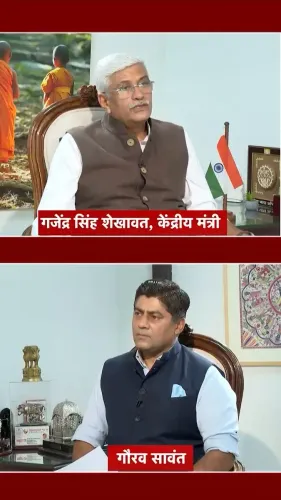
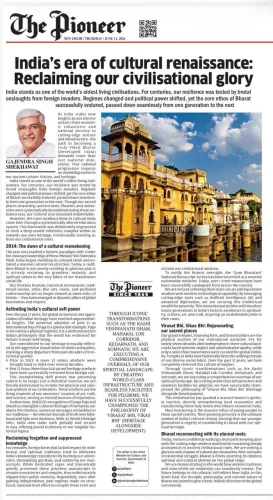
Union Culture and Tourism Minister Gajendra Singh Shekhawat on Friday, 29 May 2026, invoked India's civilisational heritage in a post on X, marking 12 years of what the ruling Bharatiya Janata Party has framed as a cultural renaissance under the Narendra Modi government. The post, tagged to the Ministry of Culture and the Prime Minister's Office, carried the hashtags #12YearsOfCulturalPride and #12YearsOfVikasBhiVirasatBhi, signalling a coordinated anniversary communication.
Context
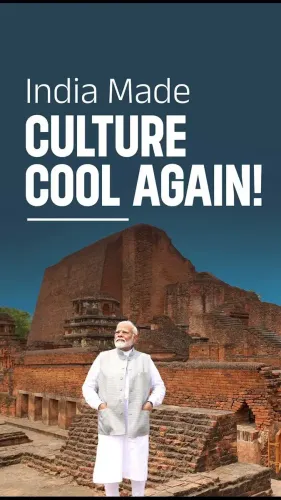
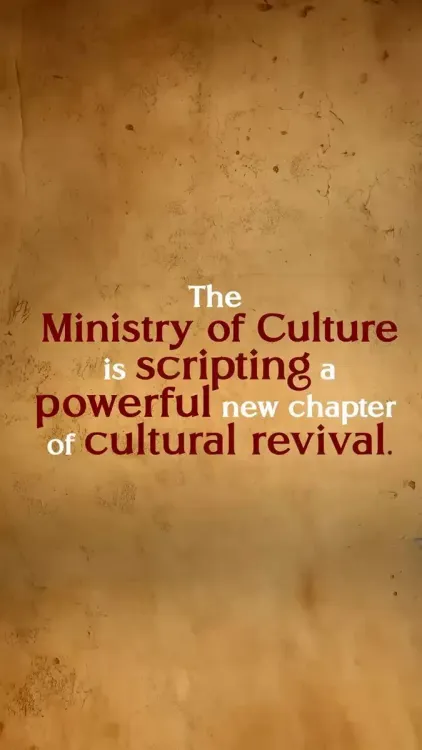
Shekhawat's post declared: 'Ancient Wisdom. Timeless Heritage. Unstoppable Momentum.' — framing the 12-year period since May 2014 as a sustained wave of 'cultural resurgence elevating Bharat on the world stage.' The language of 'reclaiming heritage' and 'civilizational legacy' is consistent with the BJP's long-running cultural-nationalist messaging, which has intensified in government communications since the party's return to power.
The hashtag #VikasBhiVirasatBhi — loosely translated as 'Development as well as Heritage' — has been a central campaign and policy slogan for the ruling party, used to position infrastructure investment and cultural conservation as complementary rather than competing goals. The Ministry of Culture and the PMO were both tagged, indicating the post is part of a coordinated government-wide anniversary campaign.
Policy Backdrop
The Modi government's cultural agenda since 2014 has included the PRASAD scheme (Pilgrimage Rejuvenation and Spiritual Augmentation Drive), launched in 2014-15 to develop pilgrimage and heritage tourism circuits across the country. India also successfully nominated multiple sites to the UNESCO World Heritage List between 2014 and 2023, under the Monuments of National Importance programme.
On the global stage, the government's initiative led the UN General Assembly to establish the International Day of Yoga in 2014, which has since become one of the most visible symbols of India's cultural diplomacy. The broader strategy has combined repatriation of artefacts, festival diplomacy, and selective monument restoration to project what officials describe as India's 'civilizational soft power.'
Stakeholders and Impact
The heritage tourism sector, state archaeology departments, and Indian diaspora organisations are among the primary stakeholders in this policy direction. Heritage tourism has emerged as a significant revenue driver, with pilgrimage circuits and UNESCO-listed monuments attracting both domestic and international visitors.
Critics and opposition parties have at times argued that the government's cultural framing selectively emphasises pre-colonial, Hindu-majority heritage while giving less attention to India's composite, pluralistic traditions. The government maintains that the approach is inclusive and rooted in pride for all of India's civilisational contributions.
What's Next
Observers will watch for the next Union Budget allocation for the Ministry of Culture and any new heritage circuit announcements that may follow this anniversary communication. A National Culture Policy draft has been under discussion, and parliamentary debate on its contours could be a near-term milestone. The coordinated tagging of the PMO suggests further anniversary-related announcements may be forthcoming from the government in the days ahead.
Point of View
Using anniversary milestones to reinforce the 'civilizational state' brand that has defined the Modi era. The dual hashtag strategy — linking pride with the Vikas Bhi Virasat Bhi slogan — signals that culture is being positioned not merely as a soft portfolio but as a core pillar of the party's development argument ahead of future electoral cycles. The tagging of the PMO elevates what could have been a routine ministerial post into an official government communication, amplifying its reach and authority. Watchers of India's cultural diplomacy will note that the messaging is increasingly outward-facing, framing heritage as a tool of global positioning rather than domestic preservation alone.
NationPress
23 Sept 2026
Frequently Asked Questions
What is Vikas Bhi Virasat Bhi?
'Vikas Bhi Virasat Bhi' — meaning 'Development as well as Heritage' — is a BJP government slogan and policy theme that frames infrastructure development and cultural conservation as complementary goals, used prominently since 2023-24.
What is the PRASAD scheme?
The PRASAD scheme (Pilgrimage Rejuvenation and Spiritual Augmentation Drive) was launched in 2014-15 by the Ministry of Culture and Tourism to develop and beautify pilgrimage and heritage tourism circuits across India.
Why is Gajendra Singh Shekhawat posting about 12 years of cultural pride?
The posts mark 12 years since the Modi government came to power in May 2014, with the BJP running a coordinated anniversary communication campaign highlighting its cultural and heritage policy record.
What UNESCO World Heritage Sites has India added since 2014?
India successfully nominated multiple sites to the UNESCO World Heritage List between 2014 and 2023 under the Monuments of National Importance programme, though the exact list of new additions in that period spans several categories of tangible and intangible heritage.
What is India's cultural diplomacy strategy under the Modi government?
India's cultural diplomacy since 2014 has combined artefact repatriation, global yoga and festival promotion, UNESCO nominations, and pilgrimage tourism development to project what the government describes as India's civilisational soft power on the world stage.