Shekhawat Hails Modi's Cultural Renaissance at 12-Year Mark

Synopsis
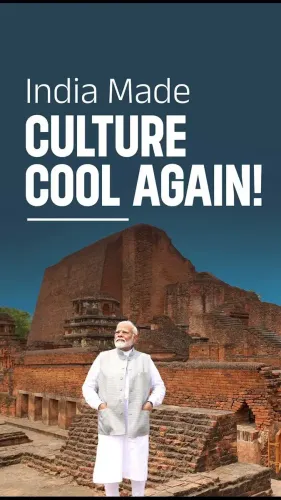
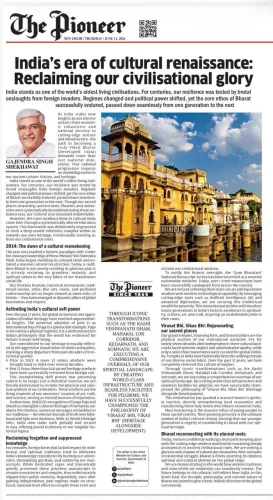
Union Culture Minister Gajendra Singh Shekhawat has credited PM Modi with bringing a cultural renaissance to India, posting under the #12YearsOfVikasBhiVirasatBhi campaign theme that frames heritage preservation as central to the NDA government's twelve-year development record.
Key Takeaways
Gajendra Singh Shekhawat , Union Minister of Culture and Tourism, posted on June 17, 2026 crediting PM Modi with a cultural renaissance in India.
The post marked twelve years of the NDA government under the campaign theme 'Vikas Bhi Virasat Bhi' (Development as well as Heritage).
The PRASAD scheme , launched in 2014-15 , and heritage corridors including Kashi Vishwanath and Mahakal are flagship examples of this policy.
The Swadesh Darshan 2.0 scheme extended the model by building thematic tourism circuits around cultural and religious landmarks.
Stakeholders including heritage tourists, artisans, and state archaeology departments have been key beneficiaries of this policy direction.
Possible new phases of PRASAD and Swadesh Darshan 2.0 are expected to be announced in the 2026-27 budget cycle .
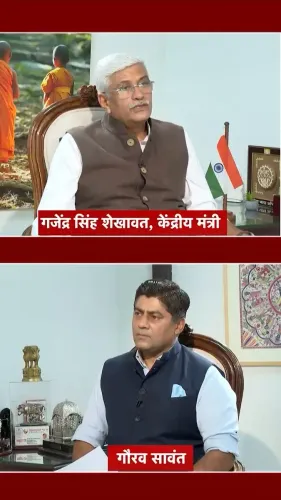
Union Culture and Tourism Minister Gajendra Singh Shekhawat on Wednesday, June 17, 2026, invoked the idea of a cultural renaissance in India under Prime Minister Narendra Modi, marking twelve years of the NDA government with a social-media post that linked heritage preservation to the broader development agenda.
Posting under the hashtags #12YearsOfVikasBhiVirasatBhi and #CultureUnitesAll, Shekhawat wrote — 'Pradhan Mantri Narendra Modi ji Bharat mein sanskritik punarjagaran lekar aaye hain' — translating to: 'Prime Minister Narendra Modi has brought about a cultural renaissance in India.' The post, which carried a video, was addressed directly to the Prime Minister's official handle.
Context
The phrase 'Vikas Bhi Virasat Bhi' — meaning 'Development as well as Heritage' — has served as the central campaign theme through which the NDA government has narrated its twelve-year record since 2014. The framing positions cultural conservation not as a standalone policy domain but as integral to economic and infrastructural progress. Shekhawat, as the minister directly overseeing this portfolio, has been among the most prominent voices amplifying this narrative.
Policy Backdrop
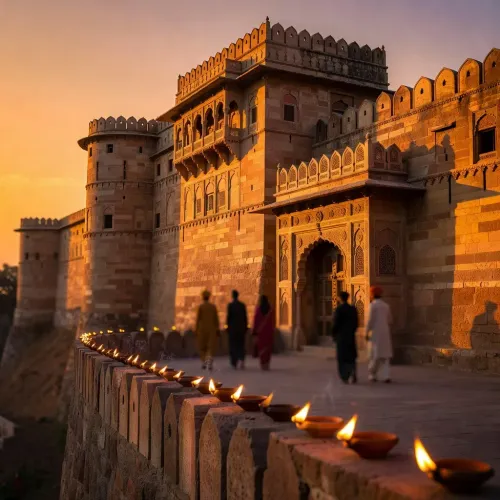
The government's cultural policy over the past twelve years has been anchored in flagship interventions. The PRASAD scheme, launched in 2014-15, enabled integrated development of pilgrimage and heritage destinations across the country. Between 2017 and 2024, major heritage corridors — including the Kashi Vishwanath Corridor and the Mahakal Corridor in Ujjain — were inaugurated, blending conservation with large-scale tourism infrastructure.
The Swadesh Darshan 2.0 scheme further extended this model by creating thematic tourism circuits around cultural and religious landmarks. Together, these initiatives reflect a deliberate effort to treat heritage sites as economic assets capable of generating livelihoods for local communities while preserving their historic character.
Stakeholders and Impact
The beneficiaries of this policy direction span a wide range: heritage tourists, local artisans, state archaeology departments, and religious institutions have all seen varying degrees of engagement with centrally funded projects. For Rajasthan — Shekhawat's home state and one of India's richest repositories of forts, palaces, and living cultural traditions — the convergence of tourism and heritage policy carries particular economic significance.
The hashtag #CultureUnitesAll also signals a soft-power dimension, framing India's diverse cultural heritage as a unifying national asset rather than a regional or community-specific one. This framing has increasingly informed India's international cultural diplomacy as well.
What's Next
Observers of the Ministry of Culture and Tourism are watching for possible announcements of a new phase of the PRASAD scheme or expanded Swadesh Darshan 2.0 projects in the 2026-27 Union Budget cycle. The twelve-year milestone also provides a political moment for the government to release a consolidated account of completed heritage projects — a document that could shape the cultural policy conversation ahead of future electoral cycles.
Point of View
The minister elevates the policy record from administrative achievement to civilisational narrative, a register the BJP has consistently found electorally resonant. The timing — twelve years to the month since the first Modi government assumed office — suggests a coordinated communication push by the Culture Ministry rather than a spontaneous post. The broader arc points toward a government preparing to use its cultural legacy as a campaign asset in future political cycles.
NationPress
16 Sept 2026
Frequently Asked Questions
What is the 'Vikas Bhi Virasat Bhi' campaign?
'Vikas Bhi Virasat Bhi' is the NDA government's campaign theme marking twelve years in power (2014-2026), framing economic development and cultural heritage preservation as complementary goals rather than competing priorities.
What has Gajendra Singh Shekhawat said about PM Modi and culture?
Shekhawat posted on June 17, 2026 that PM Modi has brought about a cultural renaissance — 'sanskritik punarjagaran' — in India, marking twelve years of the NDA government's heritage-linked development agenda.
What is the PRASAD scheme in India?
The PRASAD (Pilgrimage Rejuvenation and Spiritual, Heritage Augmentation Drive) scheme was launched in 2014-15 by the Union government to fund integrated development of pilgrimage and heritage destinations across India.
Which heritage corridors has the Modi government built?
The Modi government inaugurated major heritage corridors including the Kashi Vishwanath Corridor in Varanasi and the Mahakal Corridor in Ujjain between 2017 and 2024, blending conservation with large-scale tourism infrastructure.
What is Swadesh Darshan 2.0?
Swadesh Darshan 2.0 is an upgraded phase of the Union government's tourism scheme that creates thematic circuits around cultural and religious landmarks, building on the original Swadesh Darshan programme launched under the NDA government.