Shekhawat hails Modi's cultural renaissance push
Synopsis
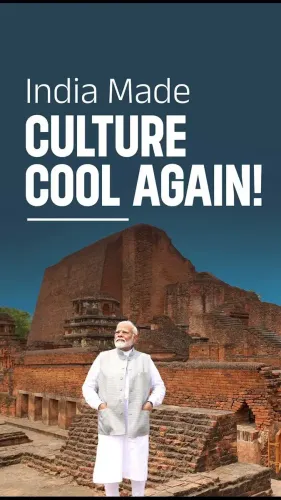
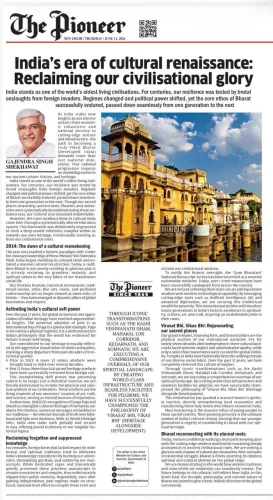
Union Culture Minister Gajendra Singh Shekhawat has praised PM Modi for centring India's ancient cultural consciousness in national discourse, describing it as a 'new era of cultural renaissance' and the foundation of the Viksit Bharat vision, on the 12th anniversary of the BJP-led government.
Key Takeaways
Union Culture and Tourism Minister Gajendra Singh Shekhawat posted on 18 June 2026 marking #12YearsOfVikasBhiVirasatBhi .
He argued that post-independence India cultivated a 'diffidence' about its own cultural identity, which Modi's government has reversed.
Shekhawat described the ongoing shift as a 'new era of cultural renaissance' encompassing language, tradition, pilgrimage, festivals and heritage.
The Swadesh Darshan and PRASAD schemes, launched in 2014-15 , and the Kashi Vishwanath Corridor are flagship expressions of this cultural-heritage policy.
The minister framed cultural renaissance as the 'cornerstone' of the Viksit Bharat (Developed India by 2047) vision.
New heritage circuit or cultural scheme announcements may follow in the 2026-27 Union Budget cycle.
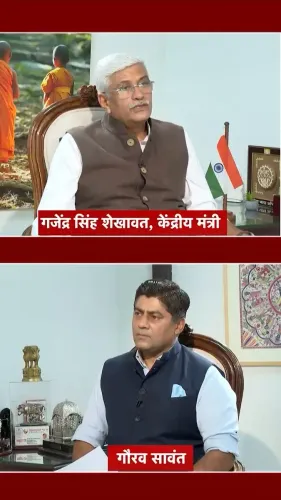
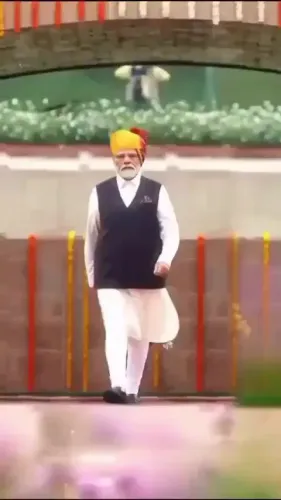
Union Culture and Tourism Minister Gajendra Singh Shekhawat on Thursday, 18 June 2026, credited Prime Minister Narendra Modi with placing India's millennia-old cultural consciousness at the centre of national discourse, calling the resulting shift a 'new era of cultural renaissance' and the foundation of a Viksit Bharat (Developed India).
Context
Posting under the hashtag #12YearsOfVikasBhiVirasatBhi, Shekhawat argued that even after independence, India's own cultural identity was treated with hesitation. 'Apni hi pehchaan ko lekar ek sankoch ka bhaav bana diya gaya tha' — 'A sense of diffidence about one's own identity had been deliberately cultivated,' he wrote.
The minister contended that this changed under Modi's leadership, with language, tradition, pilgrimage sites, festivals, heritage and Indian life values now being embraced openly as sources of pride. He described a society confident in its identity as more united and empowered.
Policy Backdrop
The post arrives on the twelfth anniversary of the BJP-led government's assumption of office in 2014, which brought with it the 'Vikas aur Virasat' (Development and Heritage) framing as a core governing philosophy. The same year saw the launch of the Swadesh Darshan scheme to develop theme-based tourist circuits centred on heritage, culture and spirituality, alongside the PRASAD scheme for pilgrimage rejuvenation.
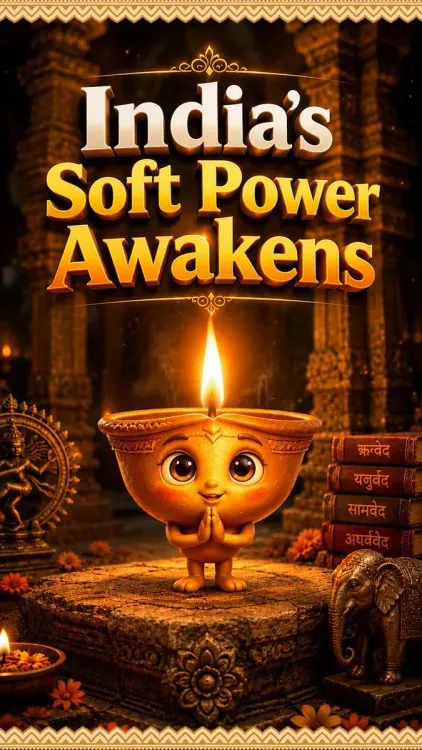
Prime Minister Modi had also proposed the International Day of Yoga at the UN General Assembly in 2014, first observed globally in 2015, as a signal of India's intent to project traditional knowledge as soft power. Major heritage redevelopment projects, including the Kashi Vishwanath Corridor completed between 2018 and 2021, were executed as visible expressions of the same approach.
Stakeholders and Impact
The cultural-heritage policy arc directly affects heritage tourists, classical language communities, religious pilgrims, and the broader Indian tourism industry. Cultural organisations and state governments have aligned infrastructure spending with the Centre's emphasis on reviving and showcasing historical sites.
Shekhawat's framing also carries a political dimension: positioning cultural pride as the 'cornerstone' of Viksit Bharat — the government's overarching vision for a developed India by 2047 — ties civilisational identity directly to the economic development narrative.
What's Next
As Union Minister for Culture and Tourism, Shekhawat oversees the implementation of heritage circuit development and cultural promotion programmes. Policy watchers will look to the 2026-27 Union Budget and the Culture Ministry's annual report for new announcements on heritage circuits, classical language promotion, or tourism infrastructure schemes that may follow from this public articulation of intent.
If the government moves to deepen the 'Vikas aur Virasat' agenda in its next policy cycle, Shekhawat's post signals that cultural renaissance will remain a central pillar of the ruling party's governance and electoral messaging heading into the next phase of the Viksit Bharat roadmap.
Point of View
Reinforcing the 'Vikas aur Virasat' brand at a moment when the party is consolidating its twelve-year governance record. By framing cultural self-confidence as a prerequisite for national strength, the minister is doing more than celebrating heritage policy — he is constructing a political argument that equates cultural assertion with modernity. This positions the Culture Ministry not as a custodian of the past but as an active agent of nation-building, giving it unusual salience in the broader Viksit Bharat discourse. The move also signals that cultural pride will remain a first-order electoral and governance theme, not a secondary complement to economic messaging.
NationPress
19 Sept 2026
Frequently Asked Questions
What is the 12YearsOfVikasBhiVirasatBhi hashtag about?
The hashtag marks the twelfth anniversary of the BJP-led government that came to power in May 2014, celebrating its dual emphasis on development ('Vikas') and heritage ('Virasat') as a unified governing philosophy.
What did Gajendra Singh Shekhawat say about Indian culture?
Shekhawat said that even after independence a sense of diffidence about India's own cultural identity had been cultivated, and that PM Modi has reversed this by placing India's ancient cultural consciousness at the centre of national discourse.
What is the Swadesh Darshan scheme?
Swadesh Darshan is a central government scheme launched in 2014-15 to develop theme-based tourist circuits focused on heritage, culture and spirituality across India.
What does Viksit Bharat mean and how does culture relate to it?
Viksit Bharat means 'Developed India' and refers to the government's vision of India becoming a fully developed nation by 2047. Shekhawat has described cultural renaissance as the cornerstone of this vision, arguing that a society proud of its identity is more confident and united.
What is the Kashi Vishwanath Corridor?
The Kashi Vishwanath Corridor is a major heritage redevelopment project in Varanasi executed between 2018 and 2021, widely cited as a flagship symbol of the government's policy of combining physical infrastructure with the conservation and promotion of religious and historical sites.