Shekhawat Marks 12 Years of Culture-Led Development

Synopsis
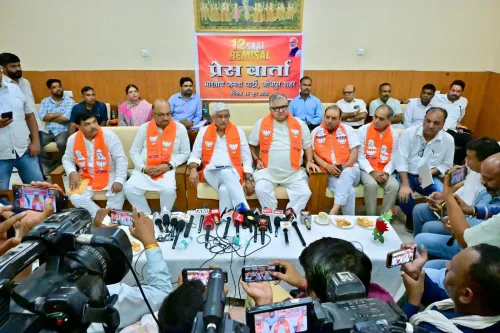
Union Culture Minister Gajendra Singh Shekhawat marked twelve years of the government's 'Vikas Bhi Virasat Bhi' campaign on 11 June 2026, calling India's diversity its defining beauty and highlighting a decade of heritage preservation alongside development under the BJP-led government.
Key Takeaways
Union Culture and Tourism Minister Gajendra Singh Shekhawat posted on 11 June 2026 to mark twelve years of the 'Vikas Bhi Virasat Bhi' campaign.
He described India's diversity as its 'beauty', stating it has been 'preserved and cherished very well' over the past decade.
The Ek Bharat Shreshtha Bharat programme (launched 2015 ) pairs states to promote inter-cultural understanding through festivals and student exchanges.
The Adopt a Heritage scheme (introduced 2017 ) enables corporate and public-sector entities to develop tourist amenities at protected monuments.
The government has pursued expanded UNESCO World Heritage nominations and domestic heritage circuits during this period.
Budget allocations for the Ministry of Culture in the next Union Budget will be a key indicator of continued commitment.
Union Culture and Tourism Minister Gajendra Singh Shekhawat on Thursday, 11 June 2026, invoked India's civilisational diversity as a defining national strength, marking twelve years of the ruling government's twin focus on development and heritage conservation under the campaign theme 'Vikas Bhi Virasat Bhi' (Development as well as Heritage).
Context
Posting on X and tagging the Ministry of Culture, Shekhawat wrote: 'Vividhata hamari khubsurti hai aur pichhle ek dasak mein ise bahut achhe se sanjoya aur saheja gaya hai' — 'Diversity is our beauty, and over the past decade it has been preserved and cherished very well.' The message was accompanied by the hashtags #12YearsofVikasBhiVirasatBhi and #CultureUnitesAll, signalling a coordinated government communication push to mark the milestone.
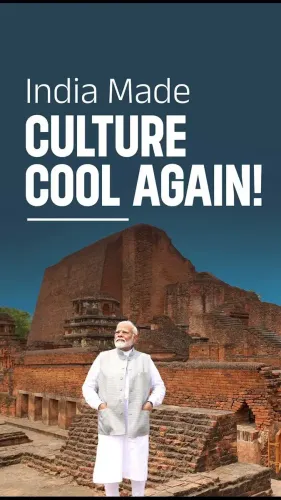
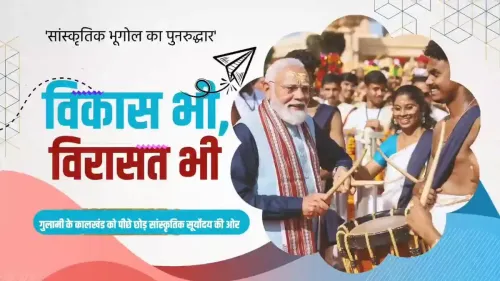
The phrase Vikas Bhi Virasat Bhi has been a central slogan of the BJP-led government since 2014, framing cultural preservation not as a heritage-sector concern alone but as inseparable from the broader development agenda. The minister's post continues that established messaging line into the government's current term.
Policy Backdrop
The Ministry of Culture has anchored its decade-long record on several flagship initiatives. The Ek Bharat Shreshtha Bharat programme, launched in 2015, pairs states and union territories to promote mutual cultural understanding through festivals, exhibitions and student exchanges — directly embodying the 'unity in diversity' principle Shekhawat referenced.
The Adopt a Heritage scheme, introduced in 2017, opened protected monuments to corporate and public-sector entities for maintenance and tourism-amenity development, broadening the stakeholder base for conservation. Together, these programmes reflect a policy design that treats India's diverse cultural landscape as both a national identity asset and an economic driver through tourism.
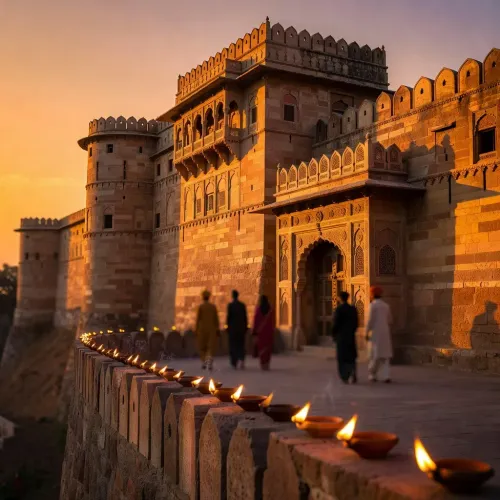
India has also pursued an expanded pipeline of UNESCO World Heritage nominations during this period, and the government has promoted domestic heritage circuits to channel tourist footfall to lesser-known sites across regions.
Stakeholders and Impact
State governments are primary partners in executing both Ek Bharat Shreshtha Bharat pairings and heritage circuit development, making their cooperation central to the ministry's outcomes. Heritage practitioners — archaeologists, craftspersons, performing artists — stand to benefit from sustained institutional attention and funding flows directed through the ministry.
Domestic tourists represent the third key stakeholder group, as improved monument infrastructure and cultural programming directly shapes their access to India's heritage. The minister's emphasis on diversity as a unifying force also carries a social messaging dimension, positioning cultural plurality as a source of national cohesion rather than division.
What's Next
Observers will watch the next Union Budget for Ministry of Culture allocations, which will indicate whether the rhetorical commitment to heritage conservation is matched by fresh financial outlays. Any new state pairings announced under Ek Bharat Shreshtha Bharat, or additions to the Adopt a Heritage roster, will be the clearest near-term signals of programmatic momentum beyond the anniversary messaging.
As India continues to position its civilisational heritage as a soft-power asset on the global stage, the government's ability to translate campaign milestones into measurable conservation and tourism outcomes will define the legacy of this twelve-year arc.
Point of View
Folding cultural plurality into the BJP government's broader 'Vikas Bhi Virasat Bhi' brand narrative at the twelve-year mark. By tagging the Ministry of Culture and using coordinated hashtags, the communication is clearly institutional rather than personal, signalling a ministry-wide commemoration effort. The framing of diversity as a strength that the government has 'preserved' is a deliberate counter to critics who argue that cultural policies have favoured majoritarian expressions over pluralism. Whether the messaging translates into expanded programmatic investment will be tested in the next budget cycle.
NationPress
13 Sept 2026
Frequently Asked Questions
What is 'Vikas Bhi Virasat Bhi'?
'Vikas Bhi Virasat Bhi' — meaning 'Development as well as Heritage' — is a BJP government campaign slogan used since 2014 to frame cultural preservation as integral to national development, not a separate domain.
What did Gajendra Singh Shekhawat say about India's diversity?
Shekhawat stated that 'diversity is our beauty' and that over the past decade it has been 'preserved and cherished very well', posting the message to mark twelve years of the Vikas Bhi Virasat Bhi campaign.
What is the Ek Bharat Shreshtha Bharat scheme?
Ek Bharat Shreshtha Bharat is a 2015 government initiative that pairs Indian states and union territories to promote mutual cultural understanding through festivals, exhibitions and student exchange programmes.
What is the Adopt a Heritage scheme?
Adopt a Heritage, introduced in 2017, allows corporate and public-sector entities to maintain and develop tourist amenities at protected monuments, broadening the base of stakeholders involved in heritage conservation.
Who is Gajendra Singh Shekhawat?
Gajendra Singh Shekhawat is the Union Minister of Culture and Tourism, a senior BJP leader and Lok Sabha MP representing the Jodhpur constituency in Rajasthan.