CM Yogi Marks 12 Years of Modi Govt's Vikas-Virasat Vision
Synopsis
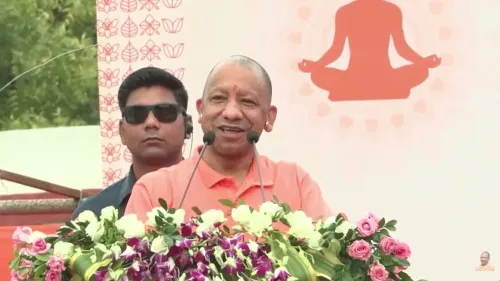
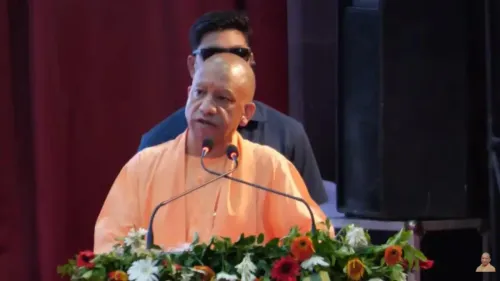
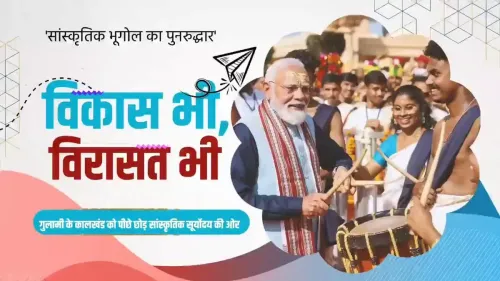
Uttar Pradesh CM Yogi Adityanath marked twelve years of the Modi government on X, calling the period a 'golden chapter' that fused cultural heritage revival — from Kashi Vishwanath Dham to Ram Mandir — with modern infrastructure, under the BJP's 'Vikas Bhi, Virasat Bhi' banner.
Key Takeaways
CM Yogi Adityanath posted on 18 June 2026 praising PM Modi 's twelve years in government as a 'golden chapter' in India's history.
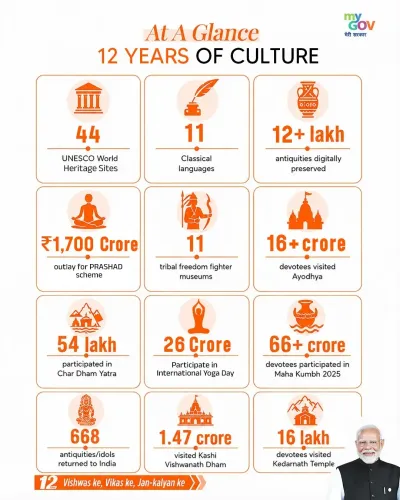
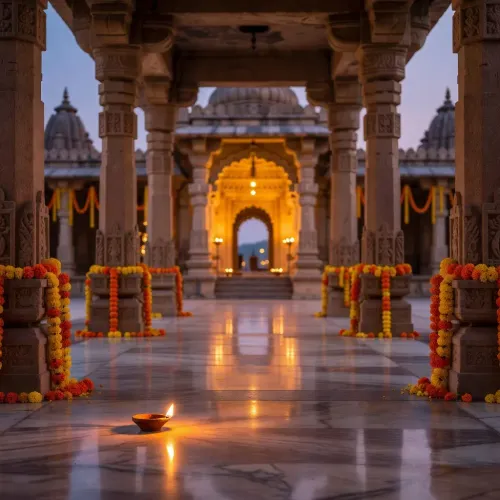
He cited Kashi Vishwanath Dham , Shri Ram Janmabhoomi Mandir , Mahakal Lok , and Kedarnath Dham as emblems of heritage revival.
Expressways, railways, airports, and digital connectivity were highlighted as the parallel infrastructure track of the same era.
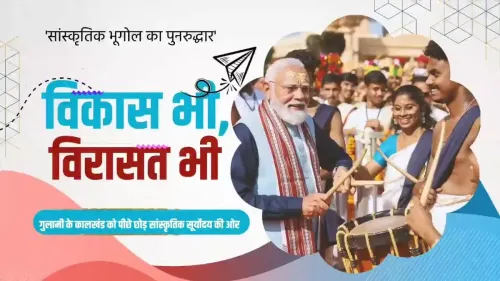
The post used the hashtag #12YearsOfVikasBhiVirasatBhi , indicating coordinated BJP anniversary messaging.
The phrase 'Vikas Bhi, Virasat Bhi' has been a consistent BJP political and policy slogan since at least 2021 .
Key projects span multiple BJP-governed states: Uttar Pradesh , Madhya Pradesh , and Uttarakhand .
Uttar Pradesh Chief Minister Yogi Adityanath on Thursday, 18 June 2026 hailed Prime Minister Narendra Modi's twelve years in government as a 'golden chapter' in India's history, crediting the period with simultaneously advancing cultural heritage revival and modern infrastructure development across the country.
Context
In a post on X, CM Yogi wrote that under Prime Minister Modi's 'illustrious leadership' (yashasvi netritva), India has established a 'new paradigm of the coordination of development and heritage' over the past twelve years. He specifically cited the grand revival of faith centres — Kashi Vishwanath Dham, Shri Ram Janmabhoomi Mandir, Mahakal Lok, and Kedarnath Dham — alongside expressways, railways, airports, digital connectivity, and modern infrastructure as twin pillars of this era. The post carried the hashtag #12YearsOfVikasBhiVirasatBhi, signalling a coordinated political messaging effort marking the BJP-led central government's anniversary.
The phrase 'Vikas Bhi, Virasat Bhi' — 'Development too, Heritage too' — has been a recurring motif in BJP's official communications and election messaging since at least 2021, framing religious-site modernisation and economic infrastructure as mutually reinforcing rather than competing priorities.
Policy Backdrop
The four heritage sites named by CM Yogi represent landmark central and state government projects spanning the past decade. The Kashi Vishwanath Corridor in Varanasi, formally approved in 2018 and inaugurated in 2021, redeveloped the precinct linking the ancient Shiva temple to the riverfront. The Ram Mandir at Ayodhya was consecrated in January 2024, following the Supreme Court's November 2019 verdict allocating the disputed land.
Mahakal Lok in Ujjain, the expanded precinct around the Mahakaleshwar Jyotirlinga, was inaugurated in 2022 with central backing. Kedarnath Dham in Uttarakhand has received sustained central investment in reconstruction and infrastructure since the devastating 2013 floods. In Uttar Pradesh specifically, the Purvanchal Expressway and several other expressways were inaugurated from 2021 onward as part of a broader national highway expansion.
Stakeholders and Impact
Religious pilgrims and the broader tourism sector are the most direct beneficiaries of the heritage corridor projects, which have sharply increased footfall at all four sites since their redevelopment. Infrastructure developers and logistics firms operating in Uttar Pradesh, Madhya Pradesh, and Uttarakhand have also seen sustained project pipelines tied to the connectivity push accompanying pilgrimage centres.
Critics of the 'Vikas Bhi, Virasat Bhi' framework have argued that the framing selectively foregrounds Hindu religious sites while the infrastructure benefits are broader; supporters counter that integrating cultural identity with economic development addresses a historically neglected dimension of public investment. CM Yogi's post does not engage with this debate, presenting the twin tracks as a settled national achievement.
What's Next
Further phases of temple-corridor projects in additional states and new airport or rail links serving pilgrimage centres are expected to extend the 'Vikas Bhi, Virasat Bhi' programme into the next political cycle. State and central tourism data releases following the completion of flagship projects will be closely watched as a measure of the initiative's on-ground impact. The anniversary messaging, anchored by the #12YearsOfVikasBhiVirasatBhi hashtag, suggests the BJP intends this dual-track record to remain central to its political identity heading into future electoral contests.
Point of View
Virasat Bhi' narrative, timed precisely to the twelve-year anniversary of the Modi government to consolidate a dual-track record of religious-site modernisation and hard infrastructure. By naming four high-visibility temple projects alongside expressways and digital connectivity in a single breath, he reinforces the party's argument that cultural identity and economic ambition are not in tension but are co-constitutive of the 'New India' project. The post also signals Yogi's continued alignment with the central leadership's messaging architecture, positioning him as a reliable amplifier of BJP's national narrative ahead of future electoral cycles. The broader pattern — similar corridor and connectivity projects replicated across BJP-ruled states — suggests this is less a spontaneous tribute and more a structured political communication exercise.
NationPress
21 Sept 2026
Frequently Asked Questions
What is 'Vikas Bhi Virasat Bhi' and what does it mean?
'Vikas Bhi, Virasat Bhi' is a BJP political slogan meaning 'Development too, Heritage too.' It frames the Modi government's simultaneous pursuit of modern infrastructure and cultural-religious site revival as a unified national vision, used prominently in official speeches and election messaging since at least 2021.
What is the Kashi Vishwanath Corridor and when was it inaugurated?
The Kashi Vishwanath Corridor is a redevelopment project in Varanasi that connects the ancient Kashi Vishwanath temple to the Ganga riverfront. It was formally approved in 2018 and inaugurated in 2021 as a flagship heritage project of the Modi government.
When was the Ram Mandir in Ayodhya consecrated?
The Ram Mandir at Ayodhya was consecrated in January 2024, following the Supreme Court's November 2019 verdict that allocated the disputed land for temple construction.
What is Mahakal Lok in Ujjain?
Mahakal Lok is the expanded and redeveloped temple precinct surrounding the Mahakaleshwar Jyotirlinga in Ujjain, Madhya Pradesh. It was inaugurated in 2022 with central government backing as part of a series of heritage corridor projects.
Why did CM Yogi post about 12 years of the Modi government?
CM Yogi's post on 18 June 2026 marked twelve years of the BJP-led central government under PM Modi. The post, tagged #12YearsOfVikasBhiVirasatBhi, is part of coordinated BJP anniversary messaging highlighting the government's record on both infrastructure and cultural heritage revival.