CM Mohan Yadav Honours Ujjain Swachhata Mitras, Announces ₹5K Incentive
Synopsis
Chief Minister Dr. Mohan Yadav attended the Swachhata Mitra Sammelan in Ujjain on 17 November 2026, announcing ₹5,000 incentives for 3,000 sanitation workers after Ujjain ranked first nationally in Swachh Survekshan 2025-26 for cities with 3-10 lakh population.
Key Takeaways
Ujjain ranked first nationally in the 3-lakh to 10-lakh population category of Swachh Survekshan 2025-26 .
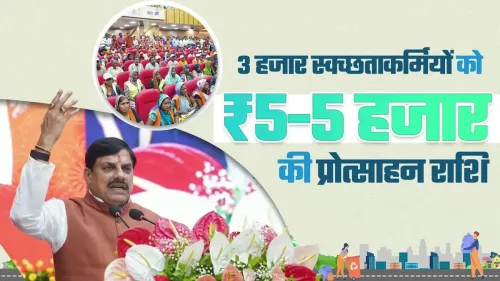
Mohan Yadav announced ₹5,000 incentive for each of Ujjain's 3,000 sanitation workers , totalling ₹1.5 crore .
Ujjain is converting wet waste to electricity , temple flowers to incense and gulal , and dry waste to fuel .
A 75-tonne-per-day waste processing plant and new Garbage Transfer Stations are under development.
40 new CNG garbage collection vehicles will be deployed shortly to further upgrade the fleet.
Senior legislators including Rajya Sabha MP Umeshnath B.
Yogi and Lok Sabha MP Anil Firojiya attended the convention.
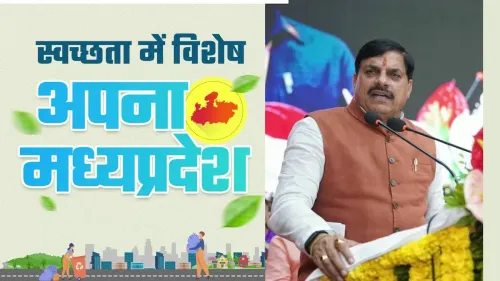
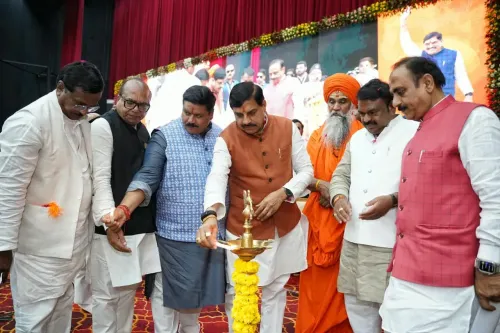
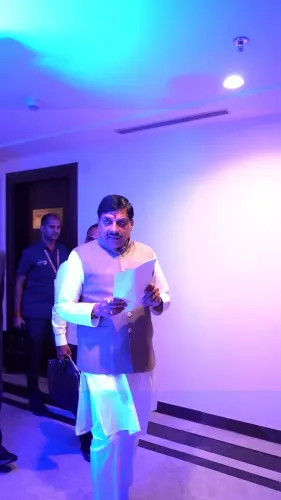
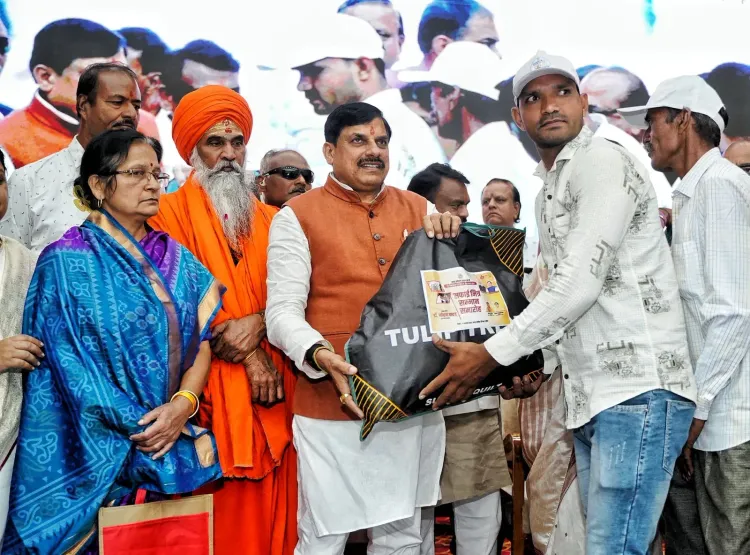
Ujjain — ancient city of the Mahakaleshwar Jyotirlinga and one of India's most sacred pilgrimage centres — has just claimed the country's top cleanliness rank. Madhya Pradesh Chief Minister Dr. Mohan Yadav on Tuesday, 17 November 2026, attended the Swachhata Mitra Sammelan (Sanitation Workers' Convention) in Ujjain to personally honour the city's sanitation workforce after the city secured first place nationally in the 3-lakh to 10-lakh population category of Swachh Survekshan 2025-26.
Ujjain tops the nation — and here is what it took
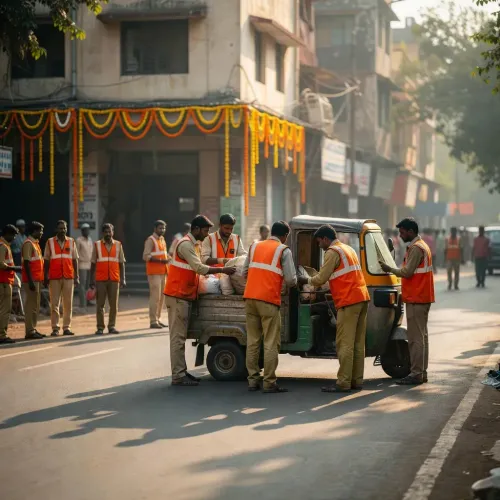
Securing the top rank in a survey that has pushed Indian cities to genuinely compete on waste management since 2016 is no ceremonial honour. The Ministry of Housing and Urban Affairs runs Swachh Survekshan under the Swachh Bharat Mission — launched in 2014 — and cities are scored on sanitation infrastructure, citizen feedback, and on-ground outcomes. For Ujjain, a city whose identity is inseparable from its temple ghats and mass pilgrimages, reaching number one in its population bracket reflects years of unglamorous, daily effort by its 3,000 sanitation workers.
Dr. Mohan Yadav did not just hand out certificates. He sat down and shared a meal with the Swachhata Mitras — a gesture the Chief Minister framed as recognition of their 'hard work, dedication and commitment.' He also announced a ₹5,000 incentive for each of the 3,000 sanitation workers in the district, a disbursement totalling ₹1.5 crore.
Wet waste to electricity, temple flowers to incense — Ujjain's circular economy in action
What makes Ujjain's sanitation story worth examining is its material specificity. The city is converting wet waste into electricity, turning flowers offered at temples into incense sticks, dhoop, and gulal, and processing dry waste into fuel. In a city that sees millions of pilgrims — especially during the Simhastha Kumbh cycle — the volume of floral waste from temples alone is a significant management challenge. Turning that waste stream into a product line is both pragmatic and locally resonant.
The infrastructure pipeline is equally concrete. A 75-tonne-per-day waste processing plant is under development, alongside new Garbage Transfer Stations. Additionally, 40 new CNG-powered garbage collection vehicles will be deployed shortly — a cleaner fleet that also cuts diesel costs and urban air pollution.
Who was in the room — and what the event signals
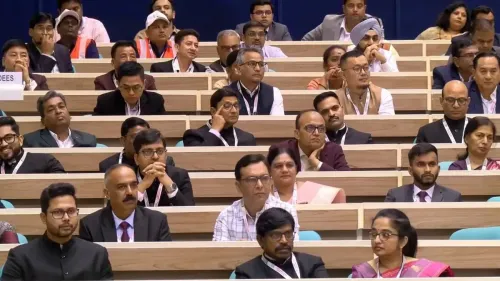
The convention drew elected representatives from across the political-administrative structure: Rajya Sabha MP Umeshnath B. Yogi, Lok Sabha MP Anil Firojiya, and MLA Anil Jain, among other public representatives. Their presence alongside sanitation workers at the same table signals that the state is treating Swachhata Mitra recognition as a politically meaningful event — not a back-office function.
Madhya Pradesh has consistently invested in urban cleanliness upgrades as part of a broader temple-city beautification and smart-city push, with Ujjain serving as a flagship given its national religious significance. The question now is execution: commissioning the 75-tonne plant on schedule, rolling out the 40 CNG vehicles, and ensuring the ₹5,000 incentive reaches all 3,000 workers without delay. Ujjain earned its rank — holding it demands every one of those follow-throughs.
Point of View
Which has positioned temple-city uplift as a core governance plank since Dr. Mohan Yadav took office in December 2023. Announcing direct cash incentives for sanitation workers at a public, legislator-attended event reflects a deliberate effort to make civic labour visible and reward it ahead of future electoral cycles. The waste-to-product circular economy model — temple flowers to incense, wet waste to power — also serves as a replicable template other high-footfall pilgrimage cities can adopt, amplifying the state's influence on the national Swachh Bharat conversation. Delivery on the ₹1.5 crore disbursement and the 75-tonne plant timeline will determine whether the announcement translates into lasting institutional momentum or remains a headline.
NationPress
17 Nov 2026
Frequently Asked Questions
What rank did Ujjain get in Swachh Survekshan 2025-26?
Ujjain secured first place nationally in the 3-lakh to 10-lakh population category of Swachh Survekshan 2025-26 , according to CM Dr. Mohan Yadav's announcement on 17 November 2026.
What incentive did CM Mohan Yadav announce for Ujjain sanitation workers?
CM Dr. Mohan Yadav announced a ₹5,000 cash incentive for each of Ujjain's 3,000 sanitation workers , amounting to a total disbursement of ₹1.5 crore .
What is Ujjain doing with temple flower waste?
Ujjain is converting flowers offered at its temples into incense sticks (agarbatti), dhoop, and gulal , as part of a circular waste management model that also turns wet waste into electricity and dry waste into fuel.
What new infrastructure is being built for waste management in Ujjain?
Ujjain is developing a 75-tonne-per-day waste processing plant , new Garbage Transfer Stations , and will soon deploy 40 new CNG-powered garbage collection vehicles .
What is the Swachh Survekshan survey?
Swachh Survekshan is an annual cleanliness ranking conducted by the Ministry of Housing and Urban Affairs under the Swachh Bharat Mission , which has rated Indian cities on sanitation and waste management since 2016.