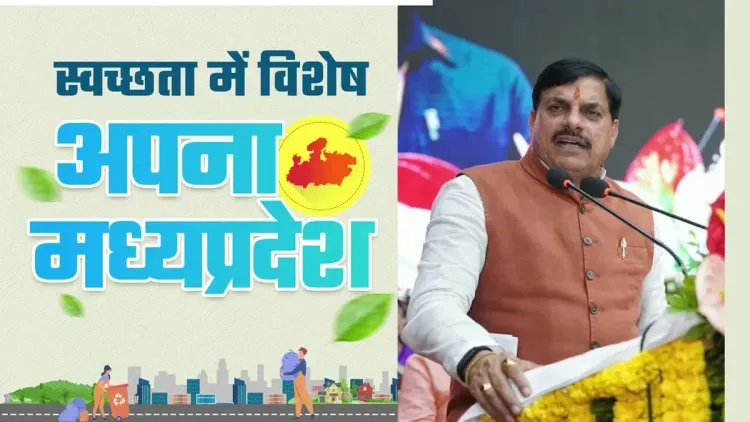
MP bags 9 of 27 national Swachhata awards, CM Mohan Yadav says
Synopsis
Madhya Pradesh has won 9 of 27 national Swachhata awards, with CM Dr. Mohan Yadav highlighting Indore, Depalpur, and Ujjain as emerging clean-city benchmarks and crediting Swachhata Mitras for the state's cleanliness milestones.
Key Takeaways
Madhya Pradesh won 9 out of 27 national Swachhata (cleanliness) awards announced in the latest cycle.
Indore leads, while Depalpur and Ujjain are gaining new national recognition in sanitation rankings.
Mohan Yadav specifically credited 'Swachhata Mitras' — frontline sanitation workers — and citizen participation.
MP's performance builds on infrastructure funded under the Swachh Bharat Mission launched in October 2014 .
The Swachh Survekshan annual survey, running since 2016 , ranks cities on waste management, citizen feedback, and open-defecation-free status.
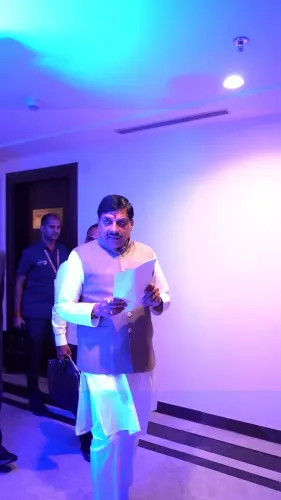
One state. Nine out of twenty-seven. Madhya Pradesh has claimed a third of all national sanitation awards announced in the latest round of Swachh Survekshan recognition, with Chief Minister Dr. Mohan Yadav crediting the achievement to frontline 'Swachhata Mitras' and mass citizen participation, as announced by the Chief Minister's Office of Madhya Pradesh on Tuesday, 17 November 2026.
Indore leads, but Depalpur and Ujjain are writing their own story
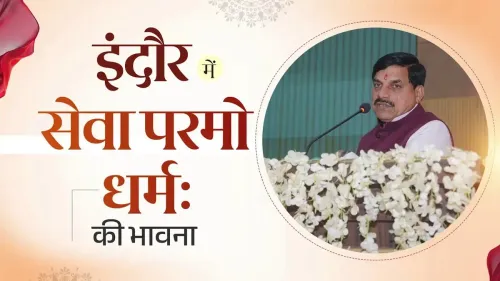
Indore has long been the headline act — India's most celebrated clean city, consistently dominant in Swachh Survekshan rankings since the annual survey framework was introduced in 2016 by the Ministry of Housing and Urban Affairs. But the CM's statement this week deliberately widened the frame. Depalpur, a Nagar Parishad in Indore district, and Ujjain, the ancient pilgrimage city on the banks of the Shipra, are both earning fresh national recognition — a signal that the state's sanitation gains are no longer a single-city story.
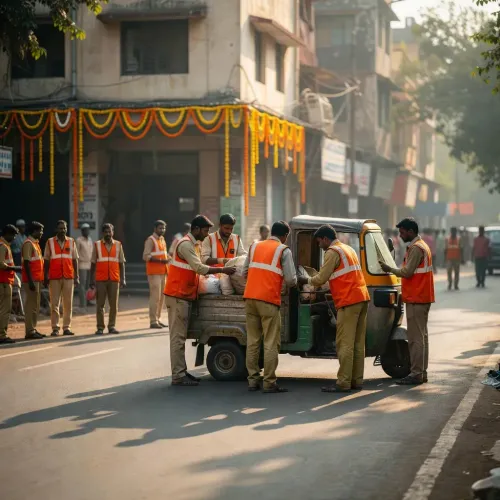
CM Yadav put it plainly: 'Swachhata Mitron ke samarpan, parishram aur janabhaagidaari se Madhya Pradesh swachhata ke naye keertiman sthapit kar raha hai' — 'Through the dedication, hard work, and people's participation of Swachhata Mitras, Madhya Pradesh is setting new cleanliness benchmarks.' That direct nod to sanitation workers — the daily labourers of municipal hygiene — is both political messaging and operational truth.
A decade of Swachh Bharat infrastructure bearing fruit
The numbers sit on a foundation laid since October 2014, when the Swachh Bharat Mission was launched nationwide to end open defecation and overhaul solid-waste management. Madhya Pradesh urban local bodies used central funding under the mission to build waste-segregation systems, upgrade processing infrastructure, and institutionalise community involvement — a playbook Indore perfected and that smaller towns are now replicating.
The state's Urban Development Department, tagged in the post (@mpurbandeptt), has been the administrative engine behind this push, coordinating across dozens of municipal bodies to maintain standards between annual survey cycles.
What the award tally means for state competition
Capturing 9 of 27 awards — roughly 33 percent of the national pool — from a single state is a striking concentration. It reflects both the depth of Madhya Pradesh's investment in urban sanitation and the competitive pressure the Swachh Survekshan framework was designed to generate: cities race each other on waste-processing rates, citizen feedback scores, and open-defecation-free certifications. The next edition of the survey will show whether the state can hold this share or whether challengers from other high-performing states close the gap.
For now, the scoreboard belongs to Madhya Pradesh — and the CM is making sure every district knows it.
Point of View
Not just one flagship city. The Swachh Bharat framework's competitive ranking design has effectively forced urban local bodies into performance cycles, and states that invest in that competition consistently outperform those that treat it as a compliance exercise. Whether Madhya Pradesh can hold a 33-percent share of national awards in future cycles will depend on whether smaller towns like Depalpur can sustain institutional momentum beyond the recognition moment.
NationPress
17 Nov 2026
Frequently Asked Questions
How many Swachhata awards did Madhya Pradesh win in 2026?
Madhya Pradesh won 9 out of 27 national Swachhata awards, as stated by CM Dr. Mohan Yadav on 17 November 2026.
Which cities in Madhya Pradesh won national cleanliness awards?
Indore , Depalpur (a Nagar Parishad in Indore district), and Ujjain were specifically named by CM Yadav as cities earning new cleanliness recognition.
What is Swachh Survekshan and when did it start?
Swachh Survekshan is an annual cleanliness survey run by the Ministry of Housing and Urban Affairs that ranks Indian cities on waste management, citizen feedback, and open-defecation-free status. It was introduced in 2016 under the Swachh Bharat Mission.
Who are Swachhata Mitras?
Swachhata Mitras are frontline sanitation workers and community volunteers who drive daily waste collection, segregation, and civic hygiene activities at the ground level under Swachh Bharat Mission.
Why is Indore so consistently ranked clean?
Indore has invested heavily in waste segregation, processing infrastructure, and citizen participation programmes, making it a model city under Swachh Bharat Mission and a perennial top performer in Swachh Survekshan rankings.