PM Modi receives warm diaspora welcome in Manila
Synopsis
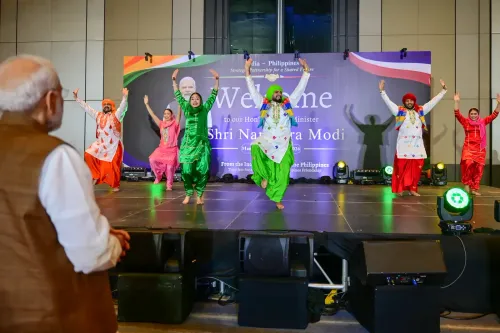
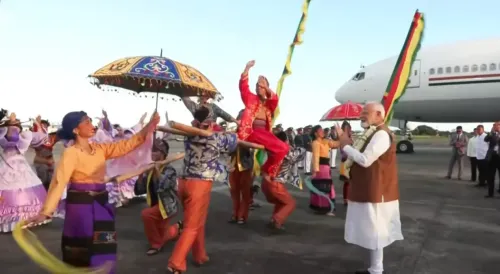
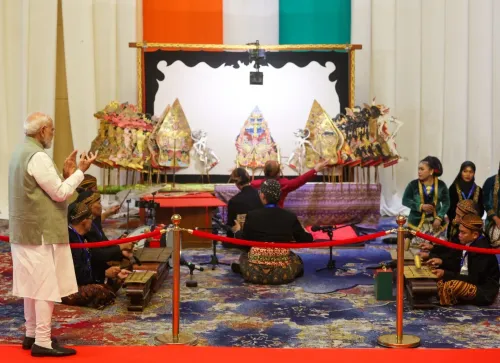
Prime Minister Narendra Modi was welcomed by the Indian diaspora in Manila on 16 November 2026, with cultural performances including a special Ramayana staging by the Integrated Performing Arts Guild (IPAG) from Iligan City — a vivid symbol of India's deep civilisational ties with Southeast Asia.
Key Takeaways
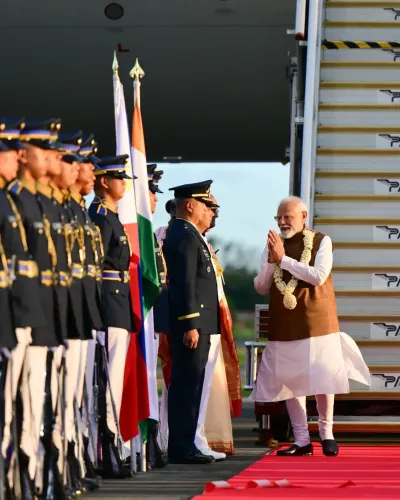
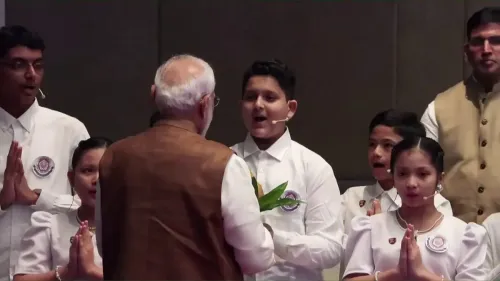
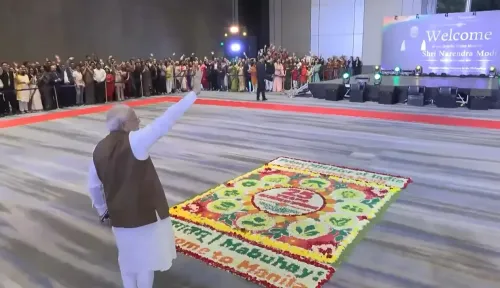
PM Narendra Modi attended a diaspora reception in Manila, Philippines on the evening of 16 November 2026 .
The highlight was a special Ramayana performance by the Integrated Performing Arts Guild (IPAG) , based in Iligan City , Philippines.
India and the Philippines have maintained diplomatic relations since 1947 and engage through the ASEAN-India framework.
The Manila visit fits PM Modi's pattern of diaspora receptions as a soft-power instrument under India's Act East Policy .
The IPAG's local staging of the Ramayana reflects the epic's deep cultural roots across Southeast Asia , independent of formal Indian cultural diplomacy.
A Ramayana performed on Philippine soil — not in Mumbai or Chennai, but in Manila — may be the most telling image from Prime Minister Narendra Modi's evening in the Philippine capital on Monday, 16 November 2026. The Indian diaspora turned out to greet him with cultural performances, anchored by a special staging of the ancient epic by the Integrated Performing Arts Guild (IPAG) from Iligan City.
IPAG's Ramayana and what it signals
The IPAG, based in Iligan City in Mindanao, is a performing arts group known for staging adaptations of Indian epics for Filipino audiences. Its Ramayana rendition is not incidental — the epic has deep roots across Southeast Asia, woven into the folk traditions of countries from Thailand to Indonesia to the Philippines long before formal diplomacy existed. Seeing it performed live for an Indian Prime Minister underlines that this cultural thread predates — and outlasts — any bilateral agreement.
India and the Philippines have maintained diplomatic relations since 1947. The relationship sits inside the broader ASEAN-India framework, and New Delhi has steadily elevated engagement with Southeast Asian partners under its Act East Policy.
Diaspora receptions as soft-power choreography
PM Modi's overseas visits have made the diaspora reception a signature set-piece — a moment that projects India's civilisational reach as much as its economic or strategic weight. Manila is the latest stop in a pattern seen from Sydney to Washington to Nairobi: a packed hall, cultural performances, and the implicit message that Indian communities abroad are both a constituency and an instrument of foreign policy.
The Ramayana performance in the Philippines carries particular resonance because it is not imported for the occasion — it comes from a local troupe that has long engaged with Indian heritage on its own terms. That distinction matters. It shifts the narrative from India projecting outward to India being received inward.
What Manila means for the broader visit
The diaspora evening is typically the opening act. Joint statements, trade frameworks, and maritime cooperation discussions are the expected follow-on during a high-level bilateral visit to the Philippines. India-Philippines ties carry strategic weight given overlapping interests in a rules-based Indo-Pacific and shared concerns about freedom of navigation in the South China Sea. The cultural warmth of an IPAG Ramayana performance sets a tone; the substance emerges in the meetings that follow.
A local arts guild in Mindanao staging an Indian epic for the Indian Prime Minister is the kind of detail that rarely makes the diplomatic communiqué — but it is precisely the detail that tells you how deep the connection runs.
Point of View
Not managed optics. This feeds directly into India's Act East Policy narrative, which positions New Delhi as a natural civilisational partner — not merely a transactional ally — for ASEAN nations. The evening's warmth will now be tested by what substantive agreements emerge from the official bilateral engagements.
NationPress
16 Nov 2026
Frequently Asked Questions
Why did PM Modi visit the Philippines in 2026?
PM Modi visited Manila as part of India's high-level engagement with Southeast Asian nations under the Act East Policy. The trip included a diaspora reception and cultural events on 16 November 2026, with bilateral discussions expected as part of the visit.
What is IPAG and why did they perform the Ramayana?
IPAG, the Integrated Performing Arts Guild, is a performing arts organisation based in Iligan City in the Philippines that stages adaptations of Indian epics including the Ramayana. Their performance during PM Modi's Manila visit highlighted the deep cultural ties between India and Southeast Asia.
What is India's Act East Policy?
India's Act East Policy is a diplomatic initiative that deepens economic, strategic, and cultural engagement with Southeast Asian and Asia-Pacific nations. It succeeded the Look East Policy and treats ASEAN countries as priority partners.
How long have India and the Philippines had diplomatic relations?
India and the Philippines have maintained formal diplomatic relations since 1947, the year of Indian independence. Their ties are embedded in the broader ASEAN-India framework.
What is the significance of the Ramayana in Southeast Asia?
The Ramayana has been part of Southeast Asian cultural traditions for centuries, influencing the folk arts, literature, and dance of countries including the Philippines, Indonesia, Thailand, and Cambodia. Local adaptations like those by IPAG reflect this shared heritage independent of modern Indian diplomatic efforts.