Trump Demands FAA Overhaul After Friday Ground Stop
Synopsis
President Trump cited 'old, broken equipment' after a Friday FAA ground stop and called on Congress to fund a complete replacement of US air traffic control systems, reviving a long-stalled modernisation debate.
Key Takeaways
President Trump publicly blamed ageing FAA hardware for a ground stop that disrupted US flights on Friday .
Trump called for a wholesale infrastructure replacement, saying the US should 'blow it up and put new in.' He directed the funding demand at Congress , framing the ask as urgent and overdue.
The FAA's NextGen modernisation programme, launched in the early 2000s , has suffered repeated delays and cost overruns.
Congressional action on the next FAA reauthorisation bill or supplemental infrastructure spending is now the key variable to watch.
Airlines, passengers, and air traffic controllers remain the primary stakeholders bearing the cost of the infrastructure gap.
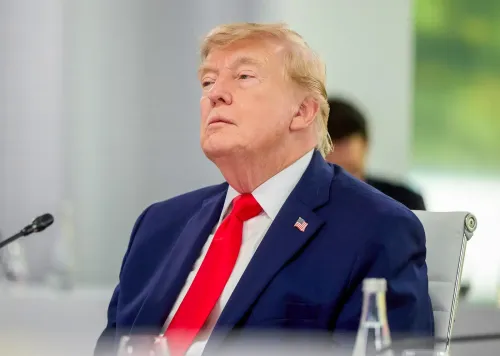
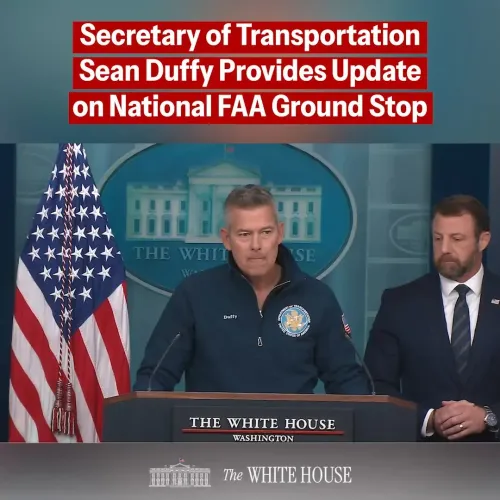
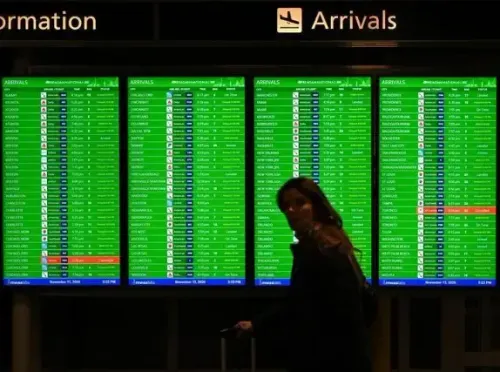
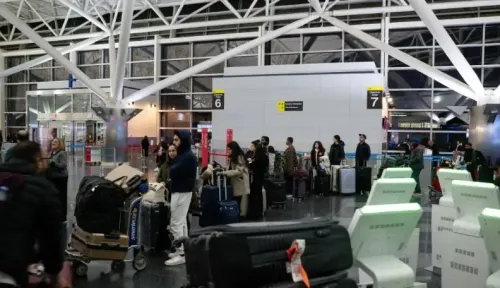
Aging wires, broken consoles, and a sky suddenly frozen — that is the picture President Donald Trump painted on Monday, November 16, 2026, after a Federal Aviation Administration (FAA) ground stop grounded flights across the United States on Friday. Speaking bluntly, Trump pointed the finger squarely at Congress and called for a wholesale replacement of the nation's air traffic control infrastructure.
Trump's Diagnosis: 'Blow It Up and Put New In'
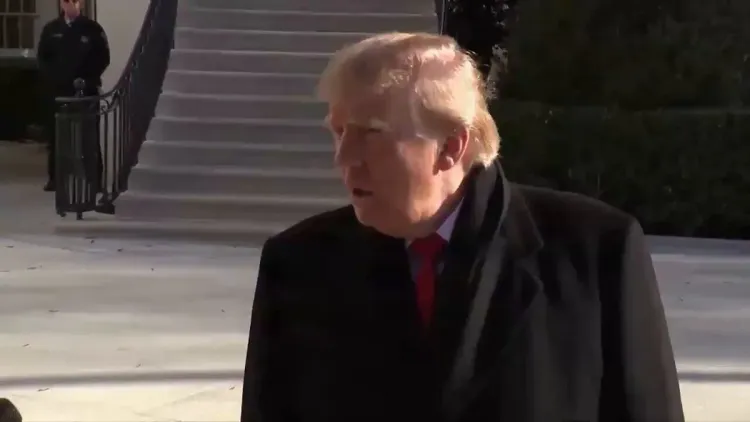
'We have old equipment, broken equipment,' Trump said, in remarks shared by The White House. 'We've been telling that to Congress... We essentially want to blow it up and put new in.' The language was blunt by design — a president using the spectacle of a system-wide ground stop to press a funding argument he has made repeatedly on Capitol Hill.
The core demand is straightforward: appropriations large enough to rip out legacy hardware and replace it end-to-end. 'We need the funding to get it done,' Trump added, framing the ask as urgent and overdue rather than aspirational.
Decades of Delay Inside the FAA's Modernization Programme
The frustration Trump voiced has a long institutional history. The FAA's NextGen air traffic control modernisation programme — authorised in the early 2000s and funded through successive FAA reauthorisation acts — was designed to retire ageing radar and communications hardware in favour of satellite-based systems. It encountered persistent delays and cost overruns that left large portions of the old infrastructure still operational well into the 2020s.
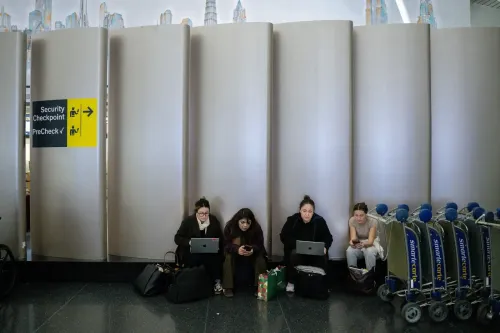
Periodic ground stops triggered by equipment failures have punctuated that slow reform, each one crystallising the gap between what Congress has appropriated and what the system actually needs. Airlines, passengers, and air traffic controllers have all absorbed the cost of that gap — in delayed flights, missed connections, and controllers nursing hardware older than many of their colleagues.
The Congressional Funding Battle Ahead
Trump's remarks land at a moment when legislators are weighing the next FAA reauthorisation bill and any supplemental infrastructure measures that could unlock the scale of spending a full system replacement would require. The ask is not modest — replacing backbone communications, radar, and data systems across hundreds of facilities is a multi-billion-dollar undertaking that has historically attracted bipartisan support in principle but recurring gridlock over the price tag in practice.
Whether Friday's ground stop — and the president's pointed public pressure — shifts the appropriations calculus in Congress is now the operative question for every airline scheduling desk and air traffic controller tower in the country.
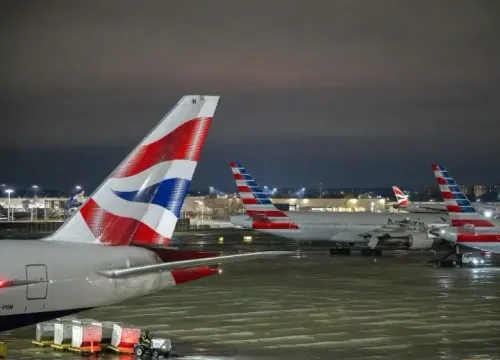
The sky did not fall on Friday. But the president's argument is that the infrastructure holding it up is well past its replacement date — and that the bill for delay keeps arriving on the tarmac.
Point of View
Which makes the bipartisan blame-sharing politically convenient but also historically accurate. For India and other aviation-heavy economies watching US airspace reliability, a prolonged modernisation standoff carries real commercial ripple effects on transatlantic and transpacific route planning. The real test is whether a single high-profile ground stop generates the political momentum that years of technical reports have not.
NationPress
16 Nov 2026
Frequently Asked Questions
What caused the FAA ground stop on Friday?
The specific cause of the Friday ground stop has not been officially confirmed in public reporting available to date. President Trump attributed it broadly to 'old equipment, broken equipment' within the FAA's air traffic control infrastructure.
What is the FAA NextGen programme?
NextGen is the Federal Aviation Administration's long-running modernisation initiative, authorised in the early 2000s , aimed at replacing legacy radar and communications hardware with satellite-based systems. It has faced repeated delays and cost overruns.
What is Trump asking Congress to do about the FAA?
President Trump is calling on Congress to appropriate sufficient funding to fully replace ageing air traffic control equipment, saying the US needs to 'blow it up and put new in' rather than incrementally patch existing systems.
How does a FAA ground stop affect flights in India?
A US ground stop can delay or disrupt international flights operating to or from American airports, including routes connecting Indian cities to the United States , causing knock-on schedule disruptions for airlines worldwide.
What happens next with FAA funding in Congress?
Lawmakers are expected to take up the next FAA reauthorisation bill and potentially supplemental infrastructure measures. Trump's public pressure after Friday's outage could accelerate debate, though large-scale system replacement funding has historically stalled over cost.